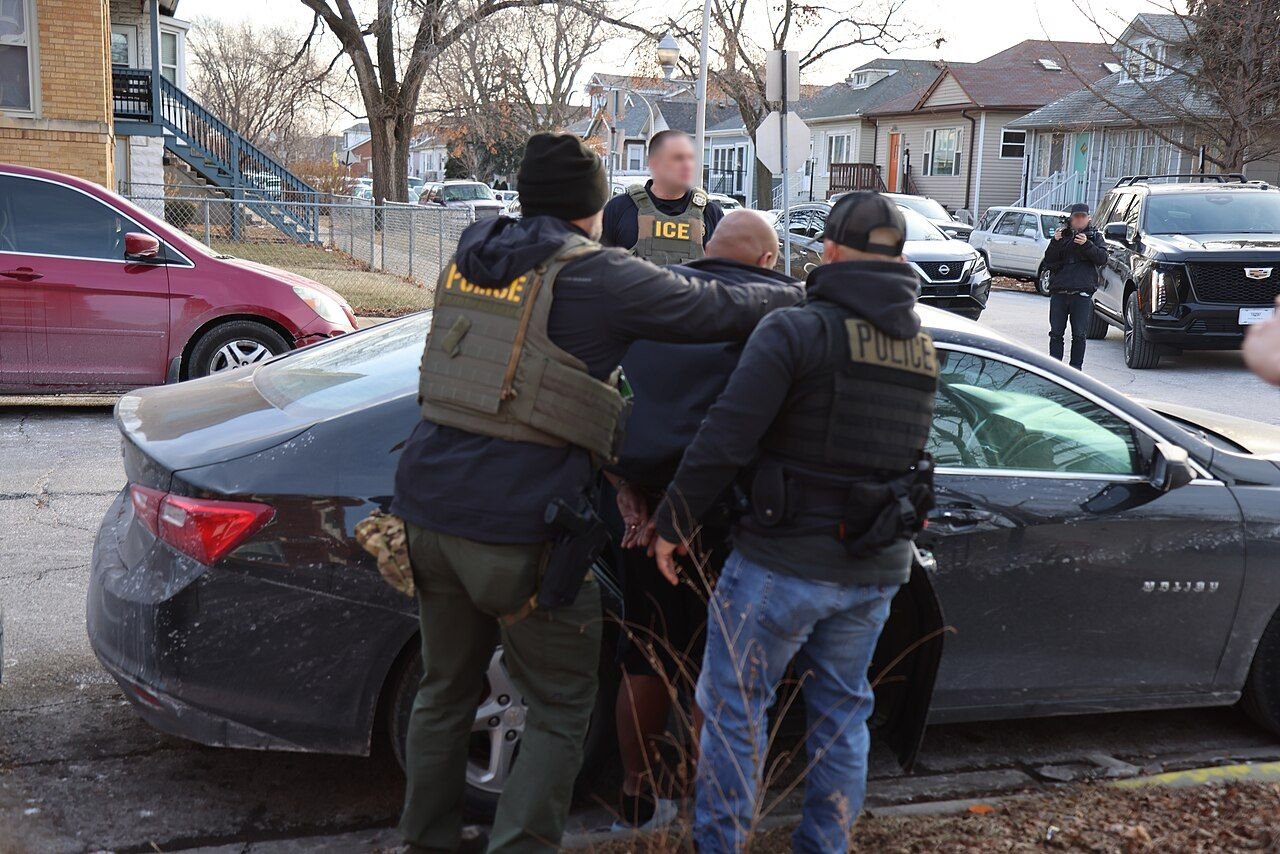
U.S. Immigration and Customs Enforcement spent more than $1 billion buying warehouses it now plans mostly to sell, without properly checking whether the purchases made financial sense, a federal watchdog has found.
The Government Accountability Office report, published on Thursday, examined how ICE is using the $45 billion Congress made available for immigration detention under a 2025 law. The money, provided through the One Big Beautiful Bill Act in July 2025, remains available through fiscal year 2029 and has not all been spent.
Between January and March 2026, ICE bought 11 warehouses for about $1.07 billion to convert into detention and processing sites. The plans were then scaled back significantly, and seven of the buildings are now up for sale. ICE also paid about $2.2 billion for four existing detention facilities in July and August 2026.
Auditors said the agency did not update its spending plan as those plans changed, as its own internal guidance requires, and did not examine the long-term costs of the purchases. As a result, the spending plan still carries an inflated estimate of planned obligations, which GAO said affects oversight and ICE's ability to assess its long-term budget needs.
The watchdog also found taxpayers paying for empty beds. Under guaranteed-payment contracts, ICE covered an average of 9,733 unused beds a day from October 2025 through April 2026. At four facilities GAO examined, that came to about $13 million a month. The estimate covers only the California City Correctional Facility, North Lake Correctional Facility, Folkston D. Ray Processing Center and Diamondback Correctional Center.
Daily detention costs varied widely by facility type. Housing a detainee cost a median of $180 a day at federal Bureau of Prisons facilities in April 2026, compared with $151 at privately operated contract facilities, while facilities run through agreements with the U.S. Marshals Service or state and local governments ranged from $85 to $103. ICE officials told auditors that services provided, detention standards and location also influence the rates.
GAO said ICE obligated about $2.8 billion for detention in fiscal year 2025, an increase of about 41 per cent from the prior year, amid expanded enforcement activity. The rapid expansion strained oversight: staff who oversee facilities and validate invoices saw their workload increase significantly, and ICE is still working to fill 55 of 87 allocated oversight positions nationwide.
The report also found ICE did not manage the investments in line with Department of Homeland Security acquisition practices, which call for life-cycle cost estimates before major purchases. Developing such estimates before further acquisitions would help the agency assess the investments, reduce potential waste and ensure taxpayer dollars are spent cost-effectively, GAO said.
GAO recommended that ICE update its detention spending plan in line with internal guidance and calculate full long-term costs, in coordination with DHS, before making more major purchases. DHS concurred with both recommendations. The watchdog also warned that ICE could have limited detention funds left for 2028 and 2029 if spending continues at the current pace.