The nation's disaster-response agency has had to confront an emergency inside its own headquarters.
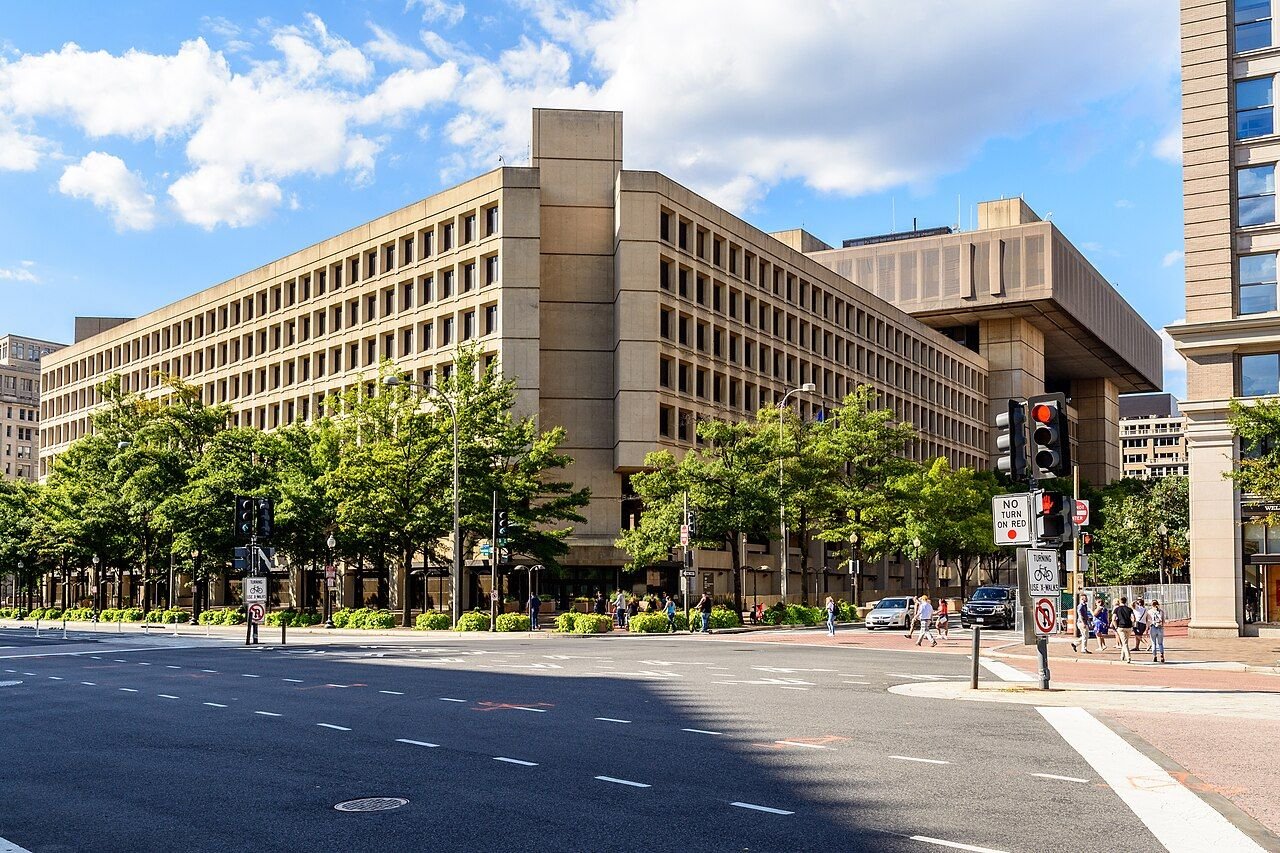
Bed bugs found at the Federal Emergency Management Agency's Washington hub forced more than 1,000 staffers to work from home on Thursday while the building was fumigated, according to six sources familiar with the problem who spoke to CNN.
An agency email reviewed by CNN went out to staff on Wednesday night warning that headquarters would close for an "urgent pest control treatment." By Thursday, word had spread that the insects had been found on multiple floors.
"This closure is necessary to perform a comprehensive, building-wide pest control treatment to address an active pest issue and ensure a safe, healthy workspace for all personnel," the memo said. It gave no timeline for a return, adding only that further guidance would come once the issue had been "successfully resolved."
The Department of Homeland Security, which oversees FEMA, told CNN the incident was "currently limited to a few offices inside the building" and that the agency remained "fully operational and prepared to respond to disasters and emergencies" despite the closure.
In a later update, a FEMA representative said the agency had taken the extra precaution on November 19 of temporarily closing its headquarters at 500 C Street SW after the building's lessor confirmed the discovery of a low number of bed bugs, adding that the incident was isolated to a single office.
FEMA said it expected normal operations at 500 C Street SW to resume on Monday, November 23. Out of an abundance of caution, the agency also planned to close its neighbouring 400 C Street SW facility from Saturday, November 21, for preventative treatment, even though no bed bugs had been found there, with steady-state operations also expected to resume on November 23.
The closure capped a turbulent week for federal workers in Washington. The National Security Agency had already closed its campus to most employees for three days while it worked to restore a highly classified internal communications network.
For FEMA, the infestation also came days after Homeland Security Secretary Markwayne Mullin mobilised the agency to respond to the previous Friday's nationwide ground stop, when all flights were grounded by a systems failure. Mullin said FEMA would coordinate with airports to help stranded passengers meet basic needs, including access to medication.
That assignment ended in roughly 24 hours. Staff ordered to report to operations centres across the country said they received little direction and found almost nothing they could do to help, according to five agency officials involved in the effort. "It was a giant waste of time and resources," a senior FEMA official told CNN.
DHS acknowledged it deployed 90 staffers and that no requests for support came in, but said suggesting the activation lacked a mission or strategy was incorrect and that its mission had been clear: to be ready to support state, local, tribal and territorial partners.
The episode was another disruption for an agency responsible for maintaining continuity of government and coordinating federal disaster response, after 22 months of upheaval. Former Homeland Security Secretary Kristi Noem and Corey Lewandowski had vowed to eliminate FEMA and pushed to overhaul its operations during the first year of President Donald Trump's second term; after their ouster, the administration sought to steady the agency under Mullin while continuing to push to shrink it and force states to shoulder more responsibility for disaster response and recovery.
Trump nominated Cameron Hamilton to run FEMA permanently a year after Noem abruptly fired him as its acting head. Hamilton testified before the House Homeland Security Committee on Thursday, the same day his agency's headquarters was closed for fumigation.