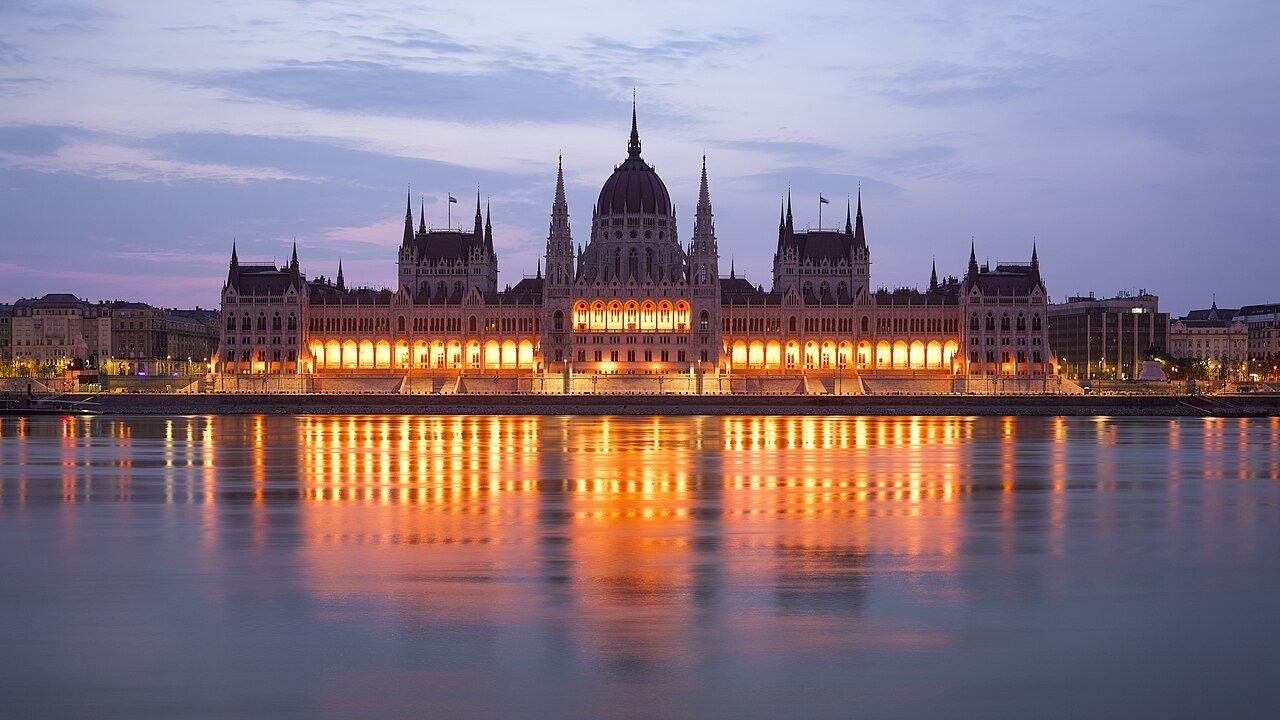
Hungary withdrew its objection for Ukraine and Moldova to open the final two of six European Union membership negotiating clusters, diplomats told the Kyiv Independent on Nov. 18, removing a procedural obstacle that had delayed progress in both countries' EU accession bids.
Hungary had been delaying the final approval needed to unlock the two so-called enlargement clusters, but without explicitly stating a reason, the Kyiv Independent reported. The reason has long been thought to be domestic politics in Hungary, with the previous Viktor Orban-led government having pushed a solidly anti-Ukrainian narrative. The new government, EU diplomats suggest, wanted to avoid the appearance of being overly soft towards Kyiv.
Now, Hungary appears to agree to proceed with the opening of clusters on agriculture and the green agenda, the Kyiv Independent reported. However, several other procedural steps still need to take place between now and the formal opening. Ambassadors of the EU's 27 countries, and then national ministers, have to agree to adopt a common position, and only then can the intergovernmental conference take place, during which the cluster is deemed open.
Once all six clusters are opened, which is currently expected for December, the focus will turn to rule of law issues, the Kyiv Independent reported. Ukraine and Moldova both need to formally sign off on interim benchmarks covering rule of law and anti-corruption requirements before they are able to mark any items in their negotiating lists as formally complete. In its annual reports on EU candidate countries, the European Commission mentioned that Moldova has essentially already done this work, and EU and national diplomats expect the Commission to circulate a report confirming Moldova's progress to EU countries in the week of Nov. 23.
Ukraine still has work to do on its rule of law reforms, but it now has a joint EU-Ukraine task force which one EU diplomat estimates will "triple" Kyiv's rate of progress, the Kyiv Independent reported. The EU's Enlargement Commissioner Marta Kos and Lithuania's Foreign Minister Kestutis Budrys have both said they hope to get Ukraine through those reforms by the end of Lithuania's EU Council Presidency in June 2027.