Britain and the European Union are set to agree Friday on easing food trade and youth mobility in a reset of ties a decade after Britain voted to leave the bloc, Reuters reported, in a summit that is also expected to expose lingering divisions over the long-term future of the relationship.
The most significant element of the package would let animals, plants and related products such as sausages and seeds move across the border without the certificates and controls currently required, a change Britain estimates could add up to £5.1 billion a year to its economy. A further agreement would link the British and EU emissions trading systems, exempting goods such as steel from each side's carbon border levies. The two sides have also settled on allowing 100,000 of each other's young people to work or study for three years, EU diplomats said, after Britain had proposed a cap of 50,000.
Differences remain on university fees, with EU countries pressing for their students to pay "home fees" at British universities rather than the international rate, typically about three times higher, while Britain prefers to offer only significantly reduced fees. The sides are aiming to resolve that issue within six months. Britain's request for special status under the EU's "Made in Europe" rules, notably for cars, is another sticking point, with the EU indicating it would grant it only if Britain aligns with its policies, which could require tariffs on Chinese electric vehicles.
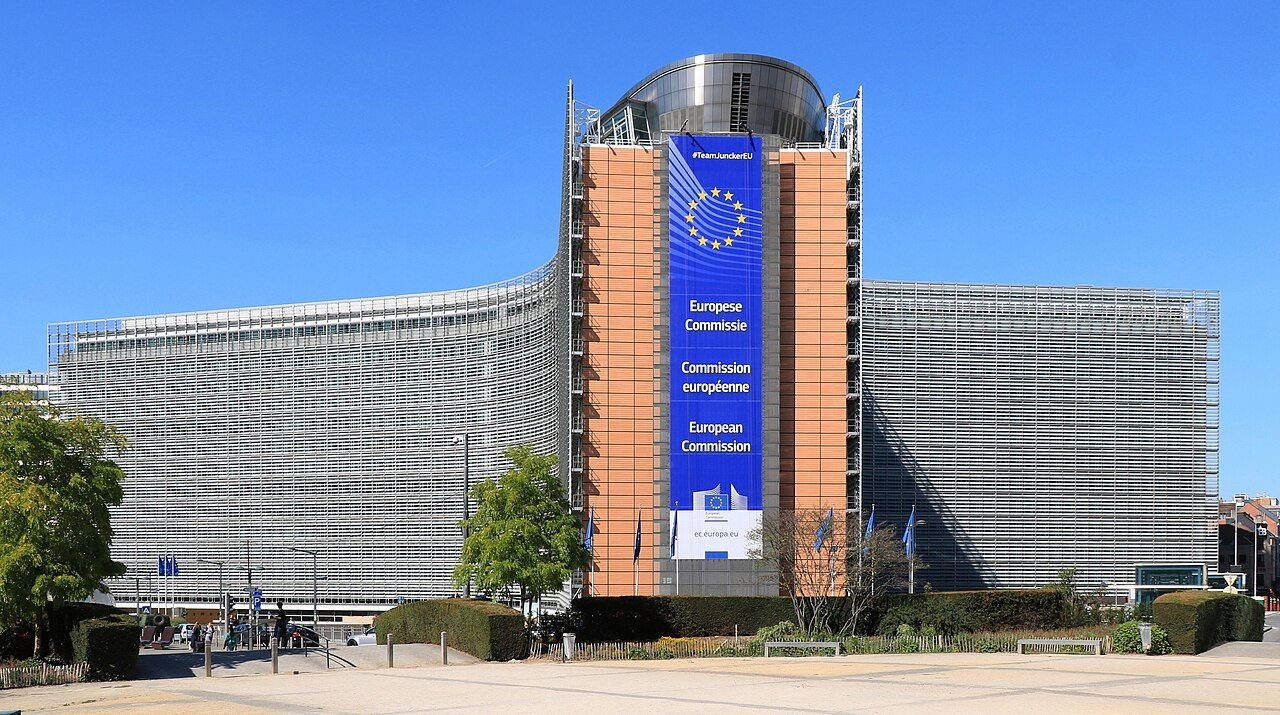
Prime Minister Andy Burnham has said Britain should consider options for its future relationship with the EU, including rejoining, and on Monday called it the "obvious truth" that Britain had lost more than it gained from Brexit. The summit, postponed from July after the resignation of his predecessor Keir Starmer, brings Burnham together with European Council President Antonio Costa and European Commission President Ursula von der Leyen in Brussels.