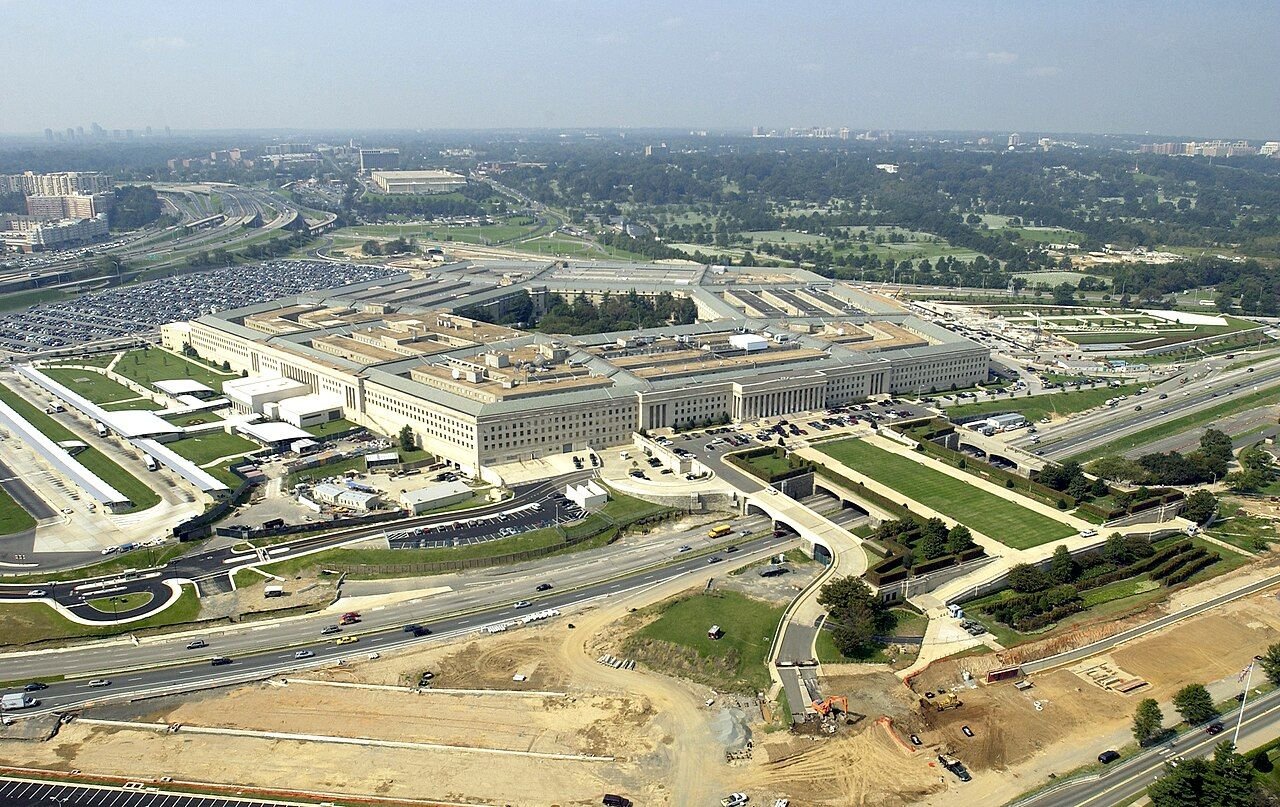
Defense Secretary Pete Hegseth has imposed new restrictions on military cooperation with Canada in a classified memo circulated last week, The Washington Post reported on Friday, citing officials familiar with the decision, according to Dawn and Breaking Defense.
The precise scope of the restrictions was unclear, and the Post said it had not seen the memo, Dawn reported. The Pentagon said on Saturday it was refocusing the relationship around American defense priorities. "The Department of War is taking steps to ensure its engagements with Canada advance tangible US defense objectives and ultimately support a reinvigorated defense relationship," chief Pentagon spokesman Sean Parnell said when asked to comment on the report, according to Dawn. Parnell told Breaking Defense the department is "prioritizing opportunities for bilateral cooperation that strengthens the defense of our Homelands and shared hemisphere, while supporting Canada's ability to meet NATO obligations."
Parnell said the guidance does not impact defense intelligence cooperation, the binational North American Aerospace Defense Command, known as NORAD, or cooperation through NATO, Dawn and Breaking Defense reported. NORAD is the joint US-Canadian command responsible for monitoring and defending North American airspace. Senator Mike Rounds, a Republican from South Dakota, told reporters in Halifax that he had been told the memo has no operational impact on Pentagon personnel in Canada today and does not impact NORAD, NATO operations or Five Eyes, Breaking Defense reported. "It does limit general flag officer meetings to those that advance DoD objectives," Rounds said. "They must request permission for Canadian think tank events or social engagements."
Canadian Defense Minister David McGuinty said he has not seen the alleged secret memo and said the two countries' armed forces continue to work closely together, Reuters reported. "It's clear that there's some sort of document we haven't seen, not aware of the contents of it," McGuinty said at a press conference on the sidelines of the Halifax International Security Forum, according to Breaking Defense. "But I can assure Canadians, and I can assure anybody who's interested, that Canadian-American cooperation on defense, security, and intelligence continues."
"I still see no daylight between what we're doing, military to military, and otherwise," McGuinty told Reuters on Saturday. He said Canadian and American militaries continue to work "hand in glove" on issues including ships working in the Caribbean to stop trafficking of cocaine, fentanyl and other illegal drugs, on integrated missile systems and when fighter jets are scrambled across North America. "The 70-year relationship we have with the US under NORAD has been a frankly, extremely effective continental defense system and one that we want to continue to invest in and cooperate with," he said.
The reported restrictions come amid strained relations between the longtime allies under President Donald Trump, who has repeatedly suggested Canada should become the 51st US state, Dawn reported. Trump has imposed tariffs on Canadian goods and criticised Ottawa's defence spending, while Canadian Prime Minister Mark Carney has firmly rejected any suggestion of annexation. McGuinty acknowledged that some recent changes in Canadian defense were prompted by threats made by Trump, Reuters reported. Under Carney, Canada said it hit the NATO target of spending 2 percent of GDP on defense for the first time last year, and the government plans to increase that to 5 percent by 2035, according to Reuters.
McGuinty said Canada needed to assume more responsibility for its own defense and security, including in its vast Arctic region, and that the country was working to build its own competitor to Starlink to protect its sovereignty in communications, Reuters reported. He also reasserted ambitions to buy fewer weapons from Washington, Breaking Defense reported. "We'd like to procure less from the United States when it comes to military hardware and produce more of our own here in 10 core areas," he told reporters. At the Halifax forum, McGuinty announced plans to join the NATO innovation fund with an initial contribution of 100 million Canadian dollars, according to Breaking Defense. "We've been in a comfortable position for decades, but things have now changed," McGuinty said, Reuters reported.