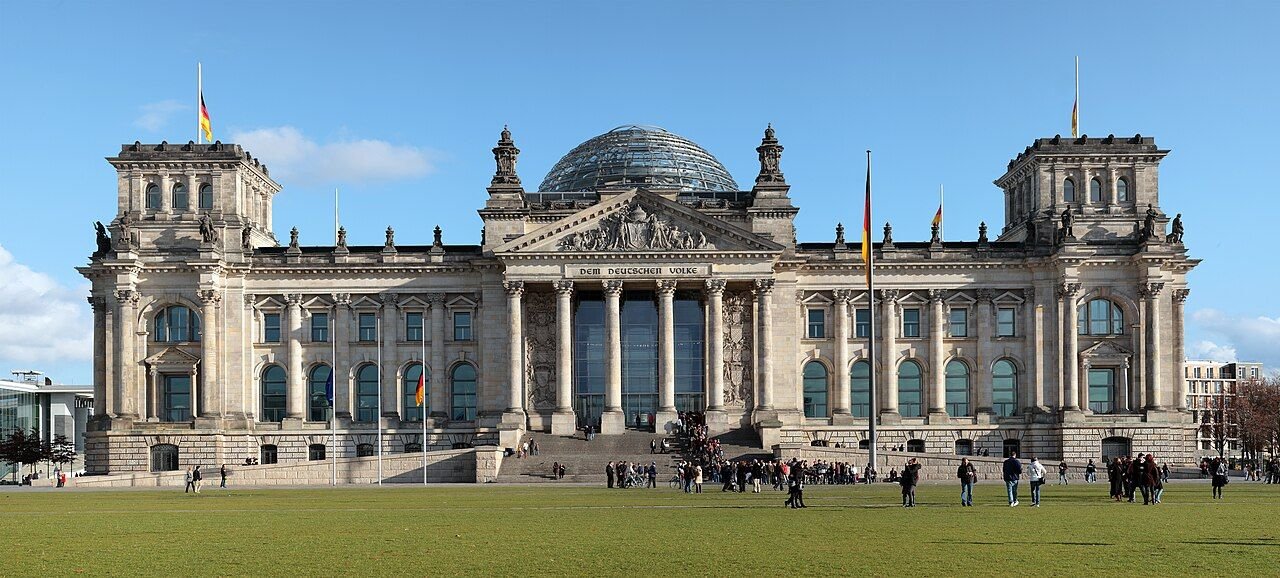
Germany's lower house of parliament passed a 556 billion euro ($610 billion) budget for 2027 on Friday, with higher defence spending, heavy investment and the second-highest level of new borrowing since World War Two, Reuters reported.
The budget was passed with 317 votes in favour and 260 against, backed by Chancellor Friedrich Merz's coalition of the Christian Democratic Union, its Bavarian sister party the Christian Social Union, and the Social Democratic Party.
Total new borrowing would reach 210.4 billion euros, just under the record 215.4 billion euros recorded in 2021 during the COVID-19 pandemic. Core-budget net borrowing is 123 billion euros, with 57.8 billion euros through the special fund for infrastructure and climate neutrality and 29.6 billion euros through the Bundeswehr special fund.
Defence is a key priority in the package. Spending is set to rise to nearly 140 billion euros — a record high since the end of the Cold War — and Ukraine will receive 12 billion euros in aid. Planned expenditure of 556 billion euros is about 31 billion euros more than the current year's budget.
Interest payments on the growing debt are expected to rise to 41.4 billion euros, with the Finance Ministry projecting they will reach about 81 billion euros a year by 2030.
The budget follows weeks of haggling inside the coalition. Parliament's budget committee agreed the package in the early hours of November 13, after plans for taxes on plastics and sweetened drinks as well as welfare cuts were dropped or delayed. Merz hopes the settled budget will revive his government after a difficult first year in office.