The Council of the European Union on Monday formally adopted the EU’s budget for 2027 — the seventh and final annual budget of the current multiannual financial framework (MFF) for 2021–2027.
The 2027 budget amounts to €199.7 billion in total commitments and €211.5 billion in total payments. A further €710.1 million has also been kept available this year under the expenditure ceilings of the current framework, allowing the EU to react to unforeseeable needs.
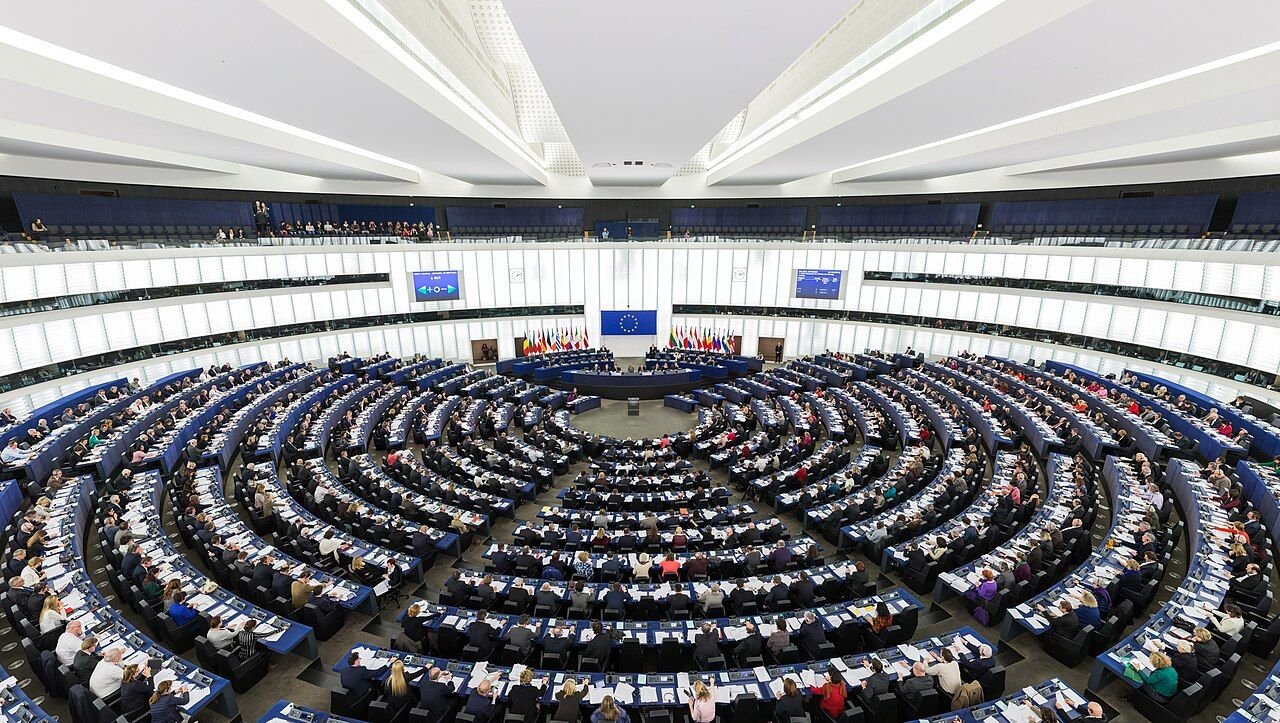
The budget was provisionally agreed on Nov. 11 during negotiations with the European Parliament. It will be finally adopted once it has also been approved by the Parliament, with that final adoption expected to take place on Nov. 25.
“The budget for 2027 must strike the right balance: equipping the Union with the means to act decisively, respond to the needs of its citizens and invest in their future, while avoiding additional burden on national budgets and taxpayers,” said Simon Harris, Tánaiste and Minister for Finance of Ireland — the country currently holding the six-month presidency of the Council — and the Council’s chief negotiator for the 2027 budget.
The compromise restores the €1 billion in expenditure commitments that the Council had initially cut, bringing them back to the levels originally proposed by the European Commission, and adds €300 million in extra funding on top of the Commission’s proposal. Parliament secured increases including €21.5 million for Horizon Europe, €22.5 million for transport and energy networks and €14 million for Erasmus+.
The budget also includes a separate line of €650 million in commitments and payments under the Ukraine Support Loan, which provides up to €90 billion for Ukraine for 2026–2027, including €45 billion envisaged for 2027.
The adoption comes as EU leaders prepare for a summit in Brussels on Nov. 26–27 to discuss the bloc’s next long-term budget for 2028–2034, where a compromise proposal from European Council President António Costa has already drawn objections from several member states.