The leaders of Poland, the Czech Republic, Hungary and Slovakia, joined by Austria's chancellor, rejected the latest proposal for the European Union's 2028-2034 budget after talks in Bratislava on Monday, exposing deep disagreements over spending and Ukraine funding days before a special EU summit.
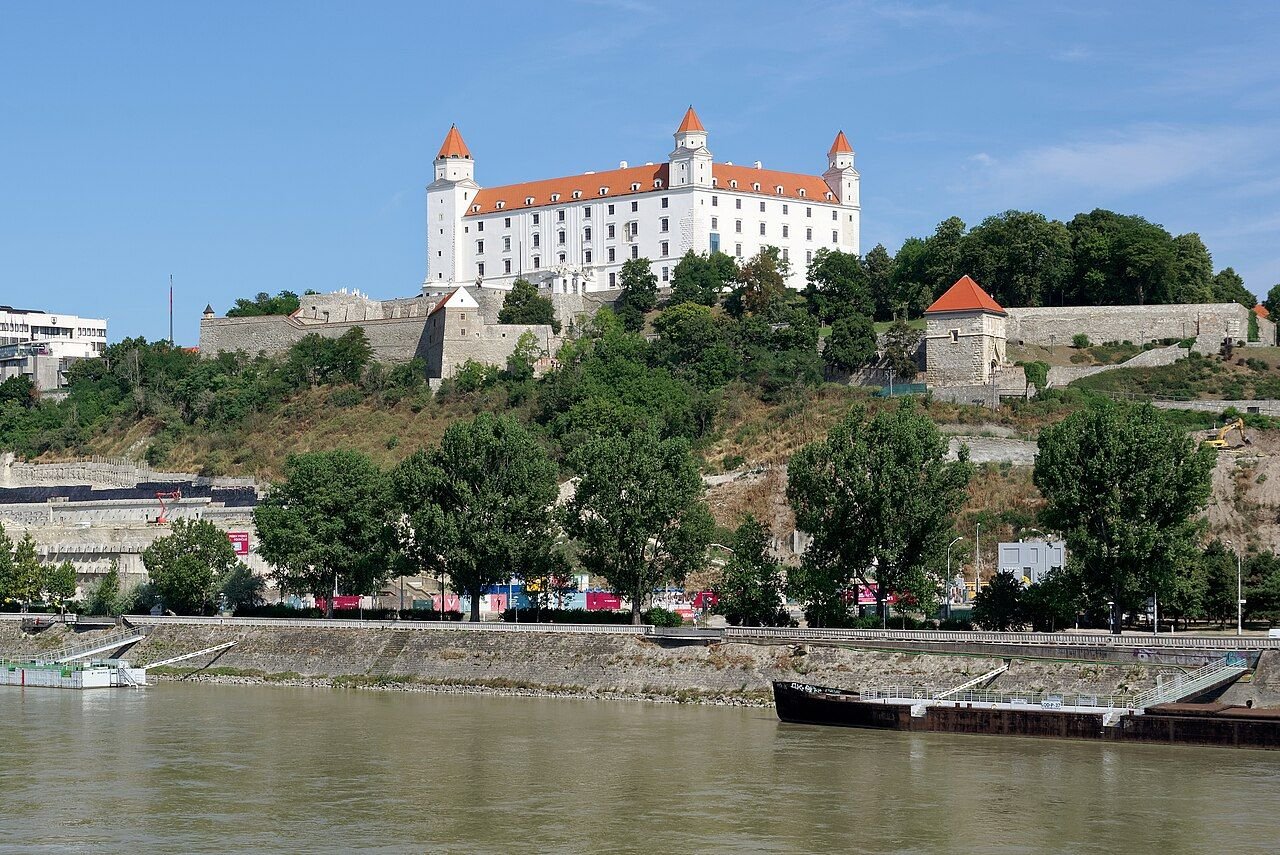
Slovak Prime Minister Robert Fico, who hosted the meeting at Bratislava Castle, said all five governments considered the proposal put forward by European Council President Antonio Costa on Saturday to be unacceptable. "All five of us here share the same view that this document is unacceptable because it fails to address fundamental issues," Fico said at a joint press conference, adding that an agreement by the end of the year could not be guaranteed.
Costa's proposal cuts the overall seven-year budget by 40 billion euros to 1.582 trillion euros compared with a proposal presented by the Irish EU presidency in October, and by 180.6 billion euros compared with the European Commission's original plan. It mainly cuts the European Competitiveness Fund, defence and external spending, while proposing new revenue sources including a tax on digital giants.
Czech Prime Minister Andrej Babis called the plan "absolutely unacceptable," saying too small a share of the money goes to member states while central programmes take too much, and that funding for Ukraine should be separated from the budget. Hungarian Prime Minister Peter Magyar said the proposal was not bringing member states closer to agreement and that Ukraine should be treated separately; he said he had written to Costa questioning the point of holding the special council meeting scheduled for later in the week.
Polish Prime Minister Donald Tusk said he would be "very firm" and would not accept any version of the budget that would lead to higher energy prices, severe social costs or a weakening of the defence capabilities of Poland and other countries on the eastern flank. He also said he did not think it was a good idea to finance support for Ukraine through joint borrowing. Fico accused German Chancellor Friedrich Merz of blackmail for linking the budget with aid for Ukraine; Germany, the biggest net contributor, says the total is still too high.
The five governments said cohesion policy for poorer regions and the Common Agricultural Policy must continue, and Fico said they could not imagine mandatory caps on farm subsidies being set at around 100,000 euros. The Visegrad countries also jointly proposed postponing the ETS2 emissions allowance system for buildings and road transport until 2030.
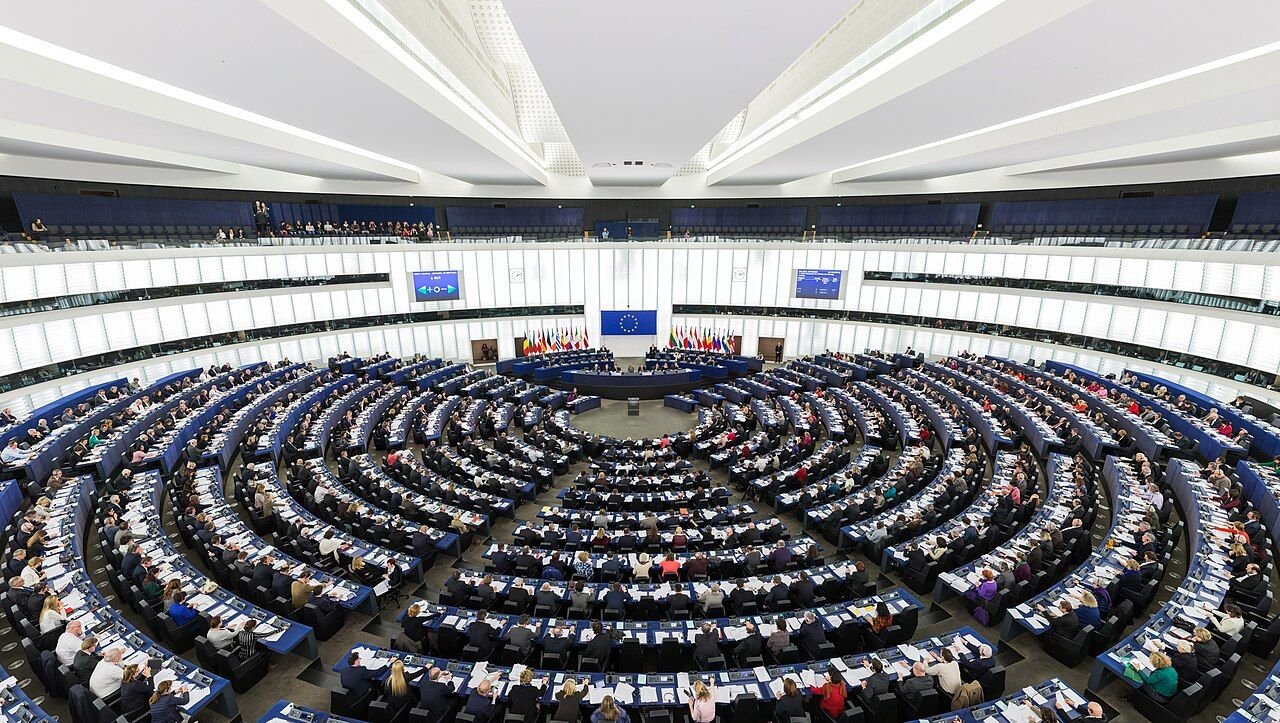
EU leaders will discuss Costa's proposals at a special summit on November 26-27, with a view to narrowing differences between the EU budget's net contributors and net beneficiaries and reaching an agreement in December. The budget requires unanimity among all 27 member states, giving every capital a veto over the final deal.