Thirty-nine countries adopted a charter on key principles for European security in Dublin on Thursday, according to AFP, turning a draft declaration debated through the day into a signed text.
The charter, based on a French initiative, reaffirms the United Nations Charter and the NATO and EU treaties and adds hybrid threats to the foundations of European security. Signatories commit to developing tools to prevent destabilising actions below the threshold of an armed attack and to respond to them, including action against terrorism, drug trafficking and migrant smuggling.
At its core is the principle that any question affecting European security must be decided together with Europeans — and that the path to peace in Ukraine should be decided with Ukraine. The text also states that the signatories will only talk to Russia about key security issues after the end of the war in Ukraine.
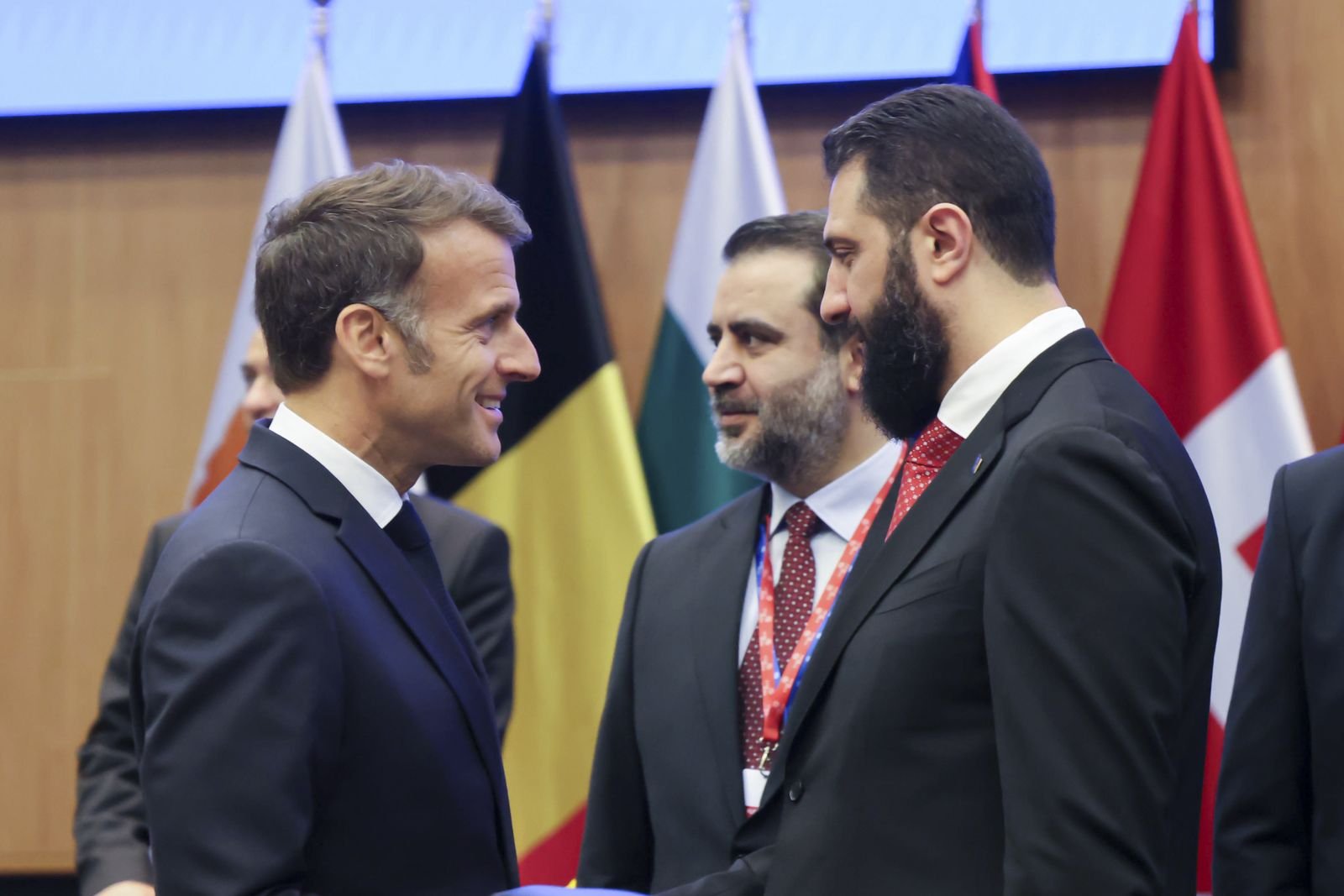
French President Emmanuel Macron called the text “common principles for the future security of Europe,” saying it builds on a decade of work and recognises the need for the broader Europe to act together. British Prime Minister Andy Burnham said it was important to mention NATO in the statement because NATO would ultimately have to “secure” the situation after the Ukraine war.
But the summit left the biggest practical question open: who will represent Europe in the Ukraine peace talks. Leaders did not agree on a single envoy, and the issue will be taken up when the 27 EU heads of state and government hold an informal summit in Dublin on Friday, chaired by European Council President António Costa and hosted by Taoiseach Micheál Martin.
The question has grown more urgent as U.S.-led talks move ahead without a European seat at the table. U.S. envoys Steve Witkoff and Jared Kushner met Russian President Vladimir Putin in Moscow this week and then travelled to Dublin to brief Ukrainian President Volodymyr Zelenskyy on their talks.
The charter was adopted at a summit of the European Political Community, which brings together leaders from across the continent. Forty-seven states were invited, including the 27 EU members, Western Balkan states and countries such as Iceland, Switzerland and Armenia, along with representatives of NATO and the OSCE.
Friday's informal EU summit will also take up what role the bloc should play in negotiations between Kyiv and Moscow. A press conference with Costa, Martin and European Commission President Ursula von der Leyen is scheduled for 16:15 Dublin time.