French President Emmanuel Macron said Thursday there was insufficient evidence to determine whether foreign powers were behind a wave of hoax bomb threats sweeping across Europe, as schools and transport hubs faced fresh alerts.
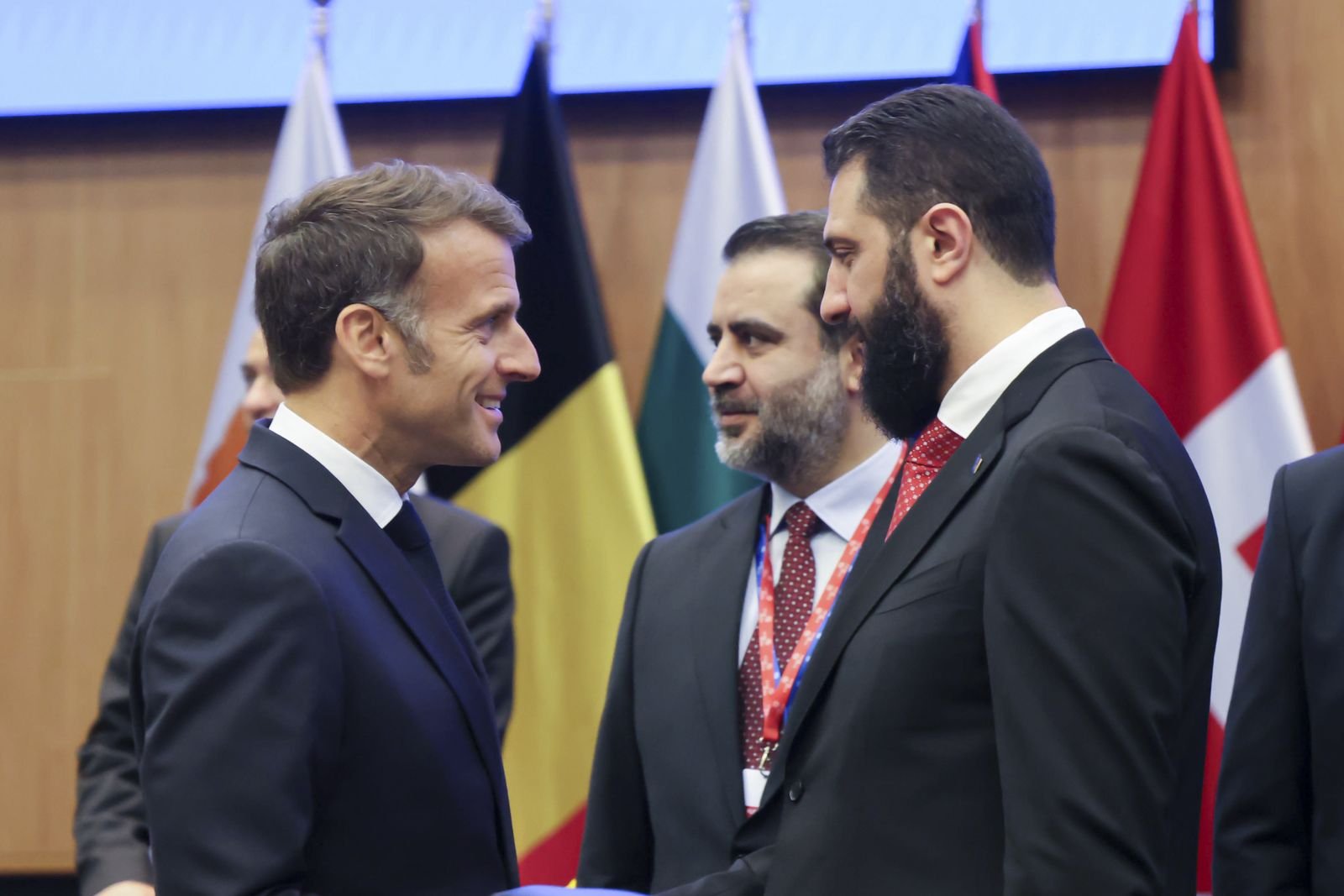
"At this point, we do not have sufficiently established evidence to make an attribution. At this stage, we cannot say that foreign powers are behind these calls," Macron told reporters on the sidelines of a European leaders' summit in Dublin. He said he would convene a meeting of the Defence and Security Council in the coming days to discuss the threats.
Several incidents were reported in France on Thursday, including a bomb alert at Calais railway station that disrupted rail services and evacuations at schools in Marseille, Morez and Laon. The French education ministry said the alerts did not amount to a coordinated mass phenomenon.
Italy faced the largest wave on Wednesday, when bomb-threat emails prompted evacuations at hundreds of schools, and more than 3,700 Italian schools received hoax warnings on Thursday. Prime Minister Giorgia Meloni said authorities had found no evidence of a concrete danger, and officials presumed the messages were hoaxes. Hundreds of schools in Britain and Ireland have received similar threats.
French prosecutors launched an investigation on Nov. 7 into false bomb alerts targeting aircraft flying over France, including possible links to foreign powers. Some of the school-threat emails were purportedly signed "Mikhail Andropov" and were reported to have been sent from accounts based in Taiwan and the Philippines; the sender's identity and motive remain unclear.
The threats have fed concern in Europe about a broader campaign of hybrid attacks, after cyberattacks disrupted supermarket refrigeration systems in France and other disruptive incidents targeted public services. Macron said France was "very vigilant" against what he called an epidemic of bomb alerts and threats.