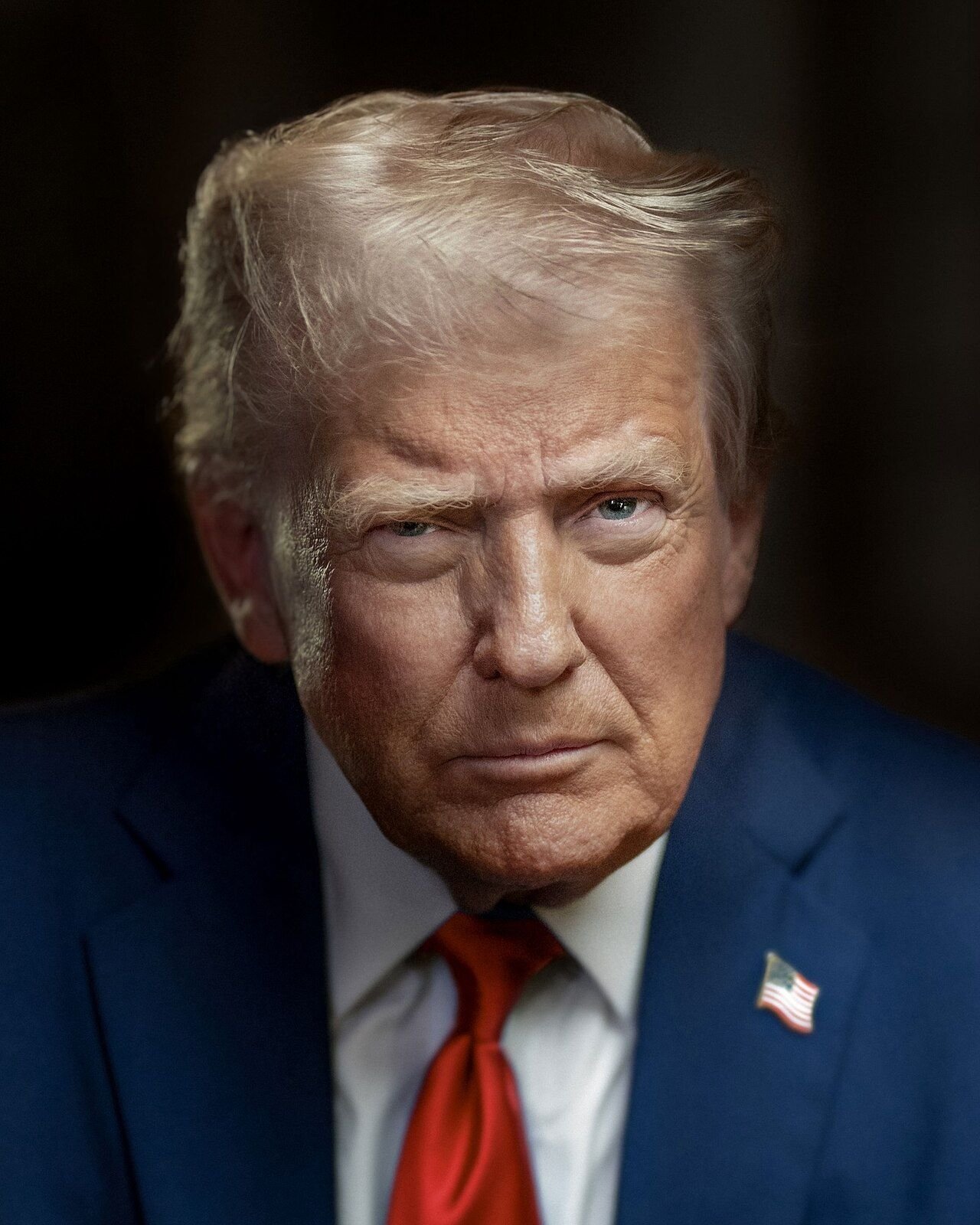
Christian nationalists who once treated President Donald Trump's return to the White House as a victory for their cause now say the Republican Party's heavy midterm losses have created an opening to replace his Make America Great Again movement with their own far more radical vision, the Associated Press reported.
The argument was made most forcefully at a three-day conference in Irving, Texas, last week titled Christ is King: America After Trump. Organizers said more than 1,000 people attended. The surprise guest was Nick Fuentes, an avowed white nationalist, who told the hall the election results had effectively removed Trump as the party's leader and left a vacuum others must fill.
The host was Joel Webbon, a 40-year-old pastor and podcaster who served as master of ceremonies. Webbon's movement seeks a theocratic and patriarchal order and remains on the political fringe, with no elected officials speaking at the event. He acknowledged that mainstream conservative leaders avoid him, but said rival factions fighting over the Republican future have given his network a chance to grow toward Washington.
Researchers who study the movement warned against dismissing it. Julie Ingersoll, a University of North Florida professor of religious studies who focuses on Christian nationalism, told the AP the activists have been gaining power and should not be underestimated. She distinguished the project from ordinary religious conservatism, saying its adherents want a Christian nation reserved largely for white Christians.
Webbon outlined a long-term vision in which the Apostles' Creed would preface the Constitution, tens of millions of people would be deported, and women, Jews, Muslims and Hindus would be barred from voting or holding office. He said he does not expect that outcome soon, but hopes the collapse of Trump's electoral coalition lets his allies begin moving in that direction.
He described the midterm result as the completion of a first phase and said the movement is entering a second phase focused on organization: building donor lists, phone banks and door-knocking operations, then placing supporters in elected office. Winning governorships or Senate seats, and eventually the presidency, was presented as a later stage, followed by staffing positions of influence.
Disappointment with Trump was a recurring theme. Right-wing Christians were among his most loyal supporters and viewed him as a battering ram against cultural opponents, even though he was never known for personal religiosity. Christian nationalists go further, and some saw the appointment of Pete Hegseth as defense secretary as progress because of his links to a church network co-founded by a Christian nationalist pastor.
Trump dined with Fuentes at Mar-a-Lago between his two terms and has repeatedly declined to denounce him, the AP noted. The White House did not respond to a request for comment for the story.
At the conference there was little goodwill toward the president. Speakers and attendees accused Trump of failing to dismantle the so-called deep state and root out corruption. Booths outside the hall sold merchandise and books promoting the movement's ideology, including material hostile to Jews.
Webbon, who has almost 140,000 followers on X, said his worldview puts religion ahead of race, unlike white nationalists. Scholars quoted by the AP said the practical effect still centers white dominance. Rice University sociologist Michael Emerson said nonwhite people could be included only if they ultimately support white dominance.
Some younger attendees told the AP they were drawn in gradually after first finding Webbon extreme, describing his focus as heritage and culture. Others said they had heard nothing from him that contradicted Scripture.
Webbon and Fuentes both said they are in contact with people considering presidential runs but declined to name them, recognizing the association could be a liability. Webbon said the immediate goal is to break containment and shift what is considered acceptable in conservative politics.