The Democratic Party's incoming senators have not even been sworn into office yet, but the decision over who will lead their new majority is already testing the promise of change they made as candidates, the Associated Press reported.
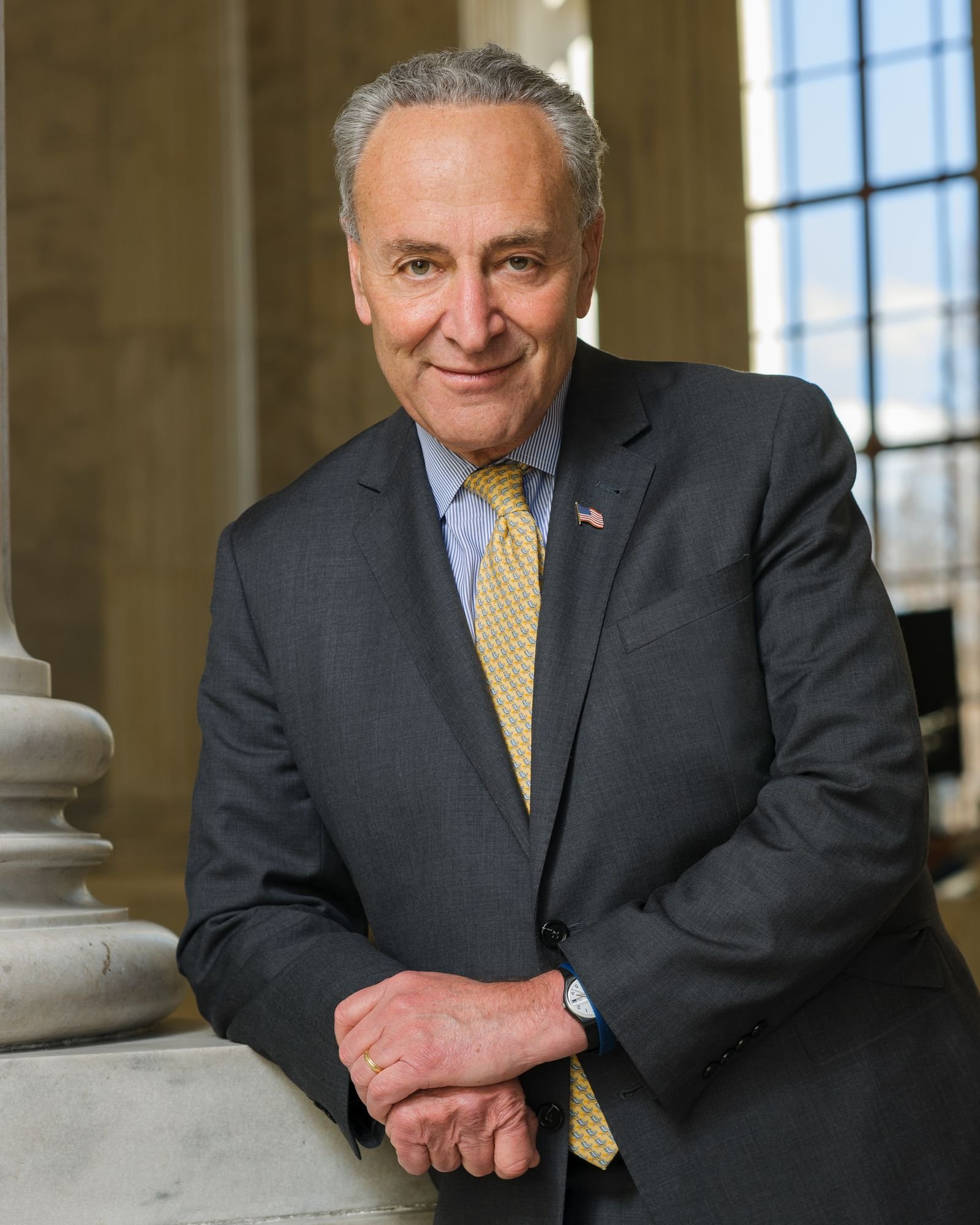
The 13 new Democrats are part of the largest incoming Senate class in decades, with several winning in Republican strongholds by promising to shake up Washington and be independent voices. Now they are caught up in a classic insider fight, forced to decide whether to stick with longtime Senate leader Chuck Schumer of New York or back challenger Chris Van Hollen of Maryland.
Newly elected progressives, including Abdul El-Sayed of Michigan and Peggy Flanagan of Minnesota, have backed Van Hollen, who is taking on Schumer with promises of a more aggressive legislative approach. Senator-elect Sherrod Brown of Ohio, who is returning to Washington after losing his seat in 2024, supports Schumer.
But the incoming senators from traditionally Republican states such as Texas, Mississippi, Iowa and South Carolina, whose victories helped deliver Democrats the majority, have so far largely avoided taking sides. Annie Andrews of South Carolina has said she is talking with both candidates. Scott Colom of Mississippi says he wants to get to know them better before deciding and describes himself as being in "listening mode."
Kansas Senator-elect Adam Hamilton said Thursday he would not back Schumer, but declined to endorse anyone. "I'm looking for someone who is going to bring people together," Hamilton told MSNow. "Right now, in places like Kansas, there's a lot of people who don't feel that in Chuck Schumer."
Schumer's long-standing relationships and mastery of Senate machinery are a big advantage heading into the December 1 vote, which will be held by secret ballot. But the reluctance of many incoming senators to commit has put an unusual spotlight on first-term lawmakers who could help shape the party's direction in the new Congress.
"We should be very embracing of the new people who have been through fire to get here," said Hawaii Senator Mazie Hirono. "We have to make sure that all these voices are heard, and they've got a lot of talent to bring to the table."
Many of the incoming senators campaigned as political outsiders, promising to bring fresh perspectives to a Washington establishment they argued had failed ordinary Americans. Andrews, a 46-year-old pediatrician, became the first Democrat in nearly three decades to win a Senate race in South Carolina. She called for "generational change" and said she would not support Schumer, but she has also rejected policies Van Hollen supports, such as "Medicare for All," and said on a press call Tuesday she has made "no decision" on the majority leader's race.
Texas Senator-elect James Talarico called for "new blood" in the Democratic Party, arguing fresh perspectives were needed to change a political system that had failed. But Talarico has stopped short of rejecting Schumer, saying in a CBS interview two days after the November 3 election that he would meet with the leadership candidates and ask "tough questions." Iowa Senator-elect Josh Turek has taken a similar approach, saying he had met with Schumer and Van Hollen and was waiting for "further updates" on questions he had.
Alaska Senator-elect Mary Peltola, whose race was officially called on Wednesday, told the Associated Press soon after that she had not yet thought about the leadership race. Another progressive, Maine Senator-elect Troy Jackson, has said he would not support Schumer but has not yet said he would vote for Van Hollen. Schumer, who led the Senate Democratic Party's campaign spending arm, backed alternative candidates during the primaries in all three races involving El-Sayed, Flanagan and Jackson, and supported all three once they were nominated.
Senate leadership elections have traditionally been private affairs, decided by lawmakers in closed-door, secret-ballot votes shaped by the complicated inner workings of the Senate. Schumer's allies point to his success in doing that job, most recently in the midterms: he helped recruit candidates such as Brown, Peltola and North Carolina Senator-elect Roy Cooper, while also fundraising and directing spending in races. "When the manager takes you to the World Series, you give him another contract," Arizona Senator Ruben Gallego said.
But Democrats are also facing pressure from some in their base to confront Republican President Donald Trump more aggressively while delivering on ambitious policy promises. Large progressive organizations, including MoveOn and Indivisible, have endorsed Van Hollen, while many senators' offices have been flooded with calls urging them to reject Schumer. At a Schumer news conference Wednesday, several activists shouted from a distance, "Step down, Schumer! Step down, Schumer!"
Van Hollen, a supporter of progressive priorities including Medicare for All and restrictions on offensive weapons transfers to Israel, has promised a more confrontational approach to Trump, an ambitious economic agenda and changes to how the party operates in primaries. The leadership fight has also drawn in more established Democrats: Georgia Senator Jon Ossoff said this week, "I haven't committed to any candidate, and I'll hear everybody out," while Michigan Senator Elissa Slotkin said Thursday she was supporting Van Hollen. "Because I've been clear that I wasn't supporting Schumer, I will be supporting Chris Van Hollen," Slotkin said.