MADRID — Almost 1,500 migrants arrived in Spain’s Canary Islands on Saturday, the highest number in a single day since 2020, the EFE news agency reported on Sunday, citing the maritime rescue service.
A total of 1,488 people in 14 boats were rescued by the Spanish coastguard, EFE reported, continuing a surge of arrivals from West African countries to the Spanish archipelago since October. The previous one-day record was the 1,461 people rescued in waters off the Canary Islands on November 7, 2020, maritime rescue services said on Sunday.
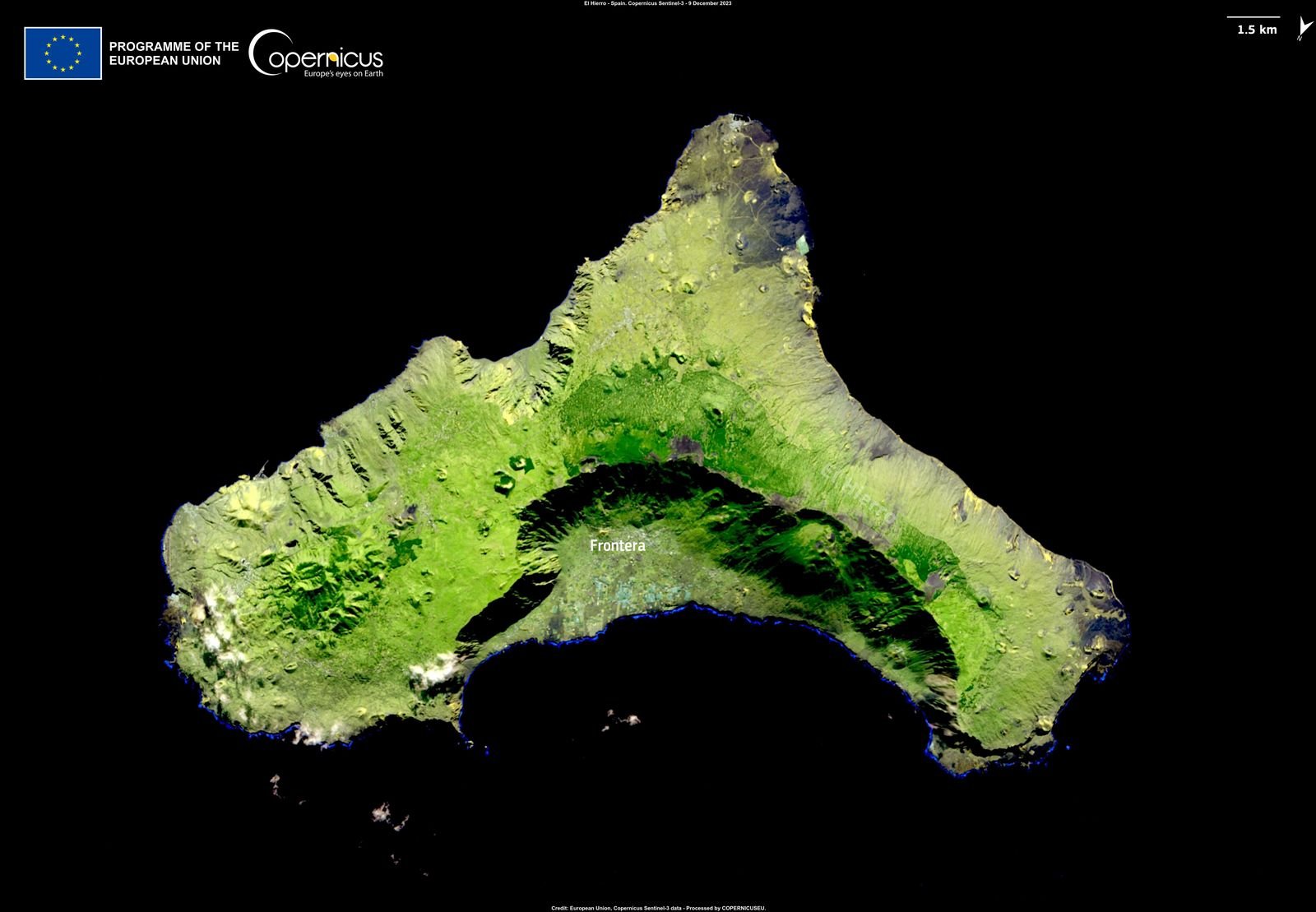
One boat on Saturday was carrying 240 people, including 12 women and 36 children, authorities said. The rescued migrants were taken to El Hierro, one of the smallest Canary Islands. Most of the people were from Senegal, Gambia and Guinea Conakry. Twelve boats arrived in El Hierro, plus one in Gran Canaria and another in Tenerife.
Spain’s Territorial Policy Minister, Angel Victor Torres, will visit El Hierro on Sunday to discuss the surge in migrant arrivals.
While migrant arrivals have declined so far this year compared with the same period last year, the sharp increase last month placed additional pressure on reception and emergency services on some of the Canary Islands, particularly the smaller and less densely populated ones. Migrant arrivals to the Canary Islands between January and October 31 were down 5.5 percent from the same period last year, government data show.
The Atlantic route from West Africa to the Canary Islands is one of the world’s deadliest migration crossings. Thousands of migrants attempt the journey each year in overcrowded boats, seeking to reach Spanish territory despite rough seas, strong currents and long distances. Arrivals tend to pick up in the autumn months, when sea conditions along the route are generally calmer and more favourable for crossings.
The record day lands as Europe tightens its approach to migration. At a summit in Dublin on Thursday, 41 European leaders endorsed a joint declaration backing tougher border controls, more effective deportations and greater pressure on countries of origin — a shift initiated by British Prime Minister Andy Burnham, Danish Prime Minister Mette Frederiksen and Italian Prime Minister Giorgia Meloni. The declaration, published on Friday, does not abolish the right to asylum or restrict legal immigration, but places considerably greater emphasis on preventing irregular arrivals and ensuring that those without a legal entitlement to remain are returned.