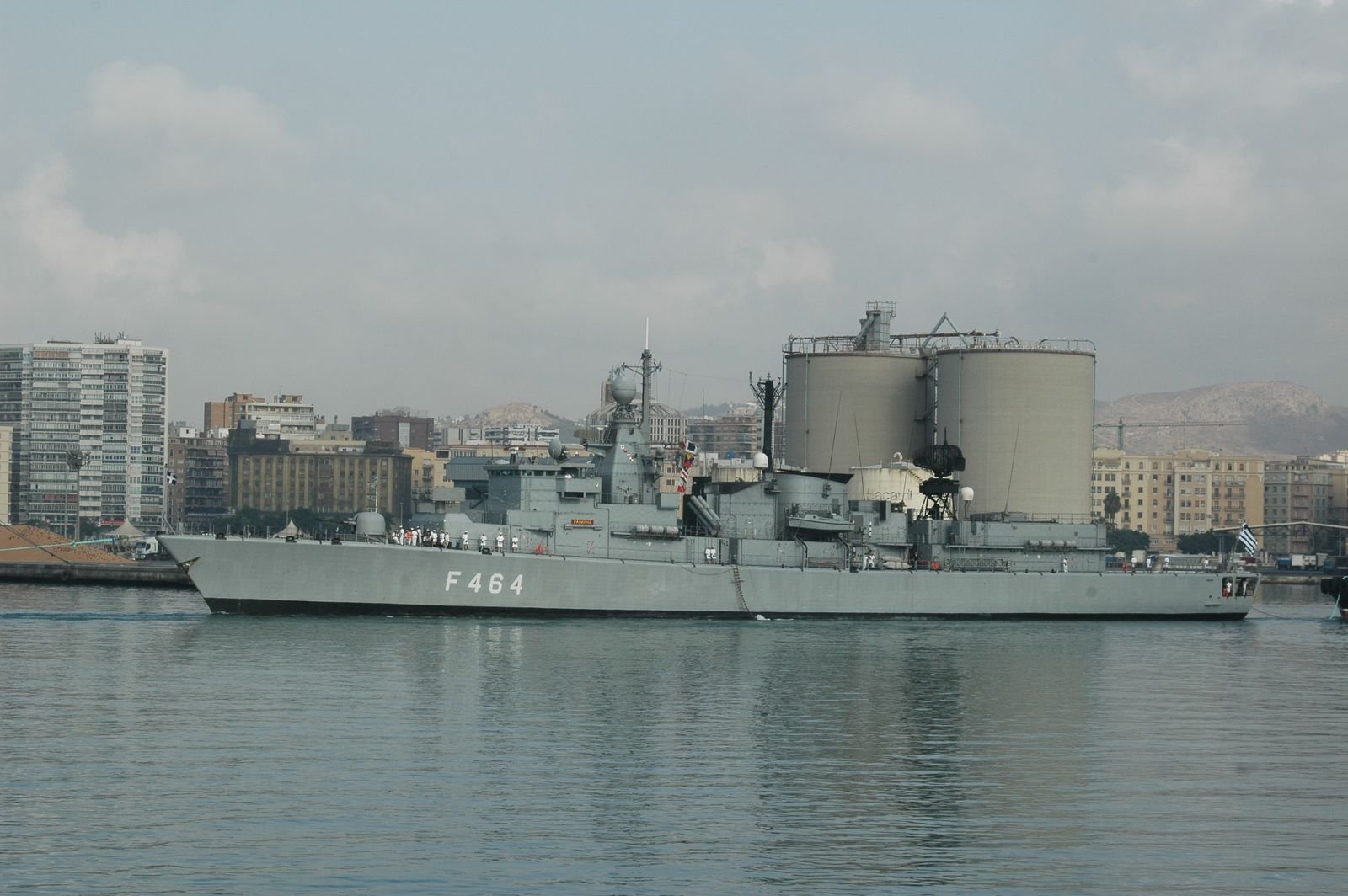
BRUSSELS — European Union forces boarded a suspected Russian shadow fleet tanker in the Mediterranean on Friday and confirmed that the vessel was sailing under a false flag, the EU’s foreign policy chief said on Sunday.
Troops from the bloc’s Operation EUNAVFOR MED IRINI boarded the MV Midag tanker on Friday, November 13, Kaja Kallas, the EU’s high representative for foreign affairs and security policy, said in a post on social media on Sunday. The inspection was carried out in accordance with Article 110 of the United Nations Convention on the Law of the Sea.
“On 13 November, EU forces from Operation EUNAVFOR MED IRINI boarded a tanker suspected of belonging to Russia’s shadow fleet. The inspection of the MV MIDAG, carried out in accordance with Article 110 of the UN Convention on the Law of the Sea, confirmed that it was sailing under a false flag,” Kallas said.
“The EU will keep disrupting Russia’s shadow fleet at sea and through diplomatic means,” she wrote, adding that EU foreign ministers were set to approve new sanctions against Russia on Monday, targeting “banks, buyers and companies supporting the shadow fleet.” Kallas also shared images appearing to show the boarding.
Russia uses its shadow fleet to evade Western sanctions on its oil industry. The shadow fleet gets around these restrictions by utilising complex ownership structures, flags of convenience and other tactics designed to mask the origin of its cargo.
The Midag boarding is the latest in a series of such operations. In August, Operation Irini forces carried out a flag verification boarding of the MV Sun oil tanker. A similar mission also took place earlier this month targeting the MV Toa Payoh ship.
Operation Irini was launched in March 2020 and was tasked with enforcing a UN arms embargo on Libya due to the Second Libyan Civil War. Its original mandate was to counter illegal arms trafficking, gather information on oil smuggling, help disrupt human smuggling and train Libyan institutions responsible for law enforcement and search and rescue operations.
In October, Operation Irini’s mandate was renewed through to March 31, 2029, with its objectives to include safeguarding the EU’s interests in the Mediterranean and continuing to contribute to peace and stability in Libya. One of its new responsibilities is also to help “constrain” Russia’s shadow fleet, which it says uses the Mediterranean as a “key transit and transfer area.”
The sanctions listings due on Monday would add to the pressure on the fleet, which the EU has been targeting alongside the banks, buyers and companies that keep it operating. The issue of a complete ban on providing services to tankers in Russia’s shadow fleet remains open, with no agreement yet among all EU member states.