U.S. stocks slumped on Thursday after Anthropic's record initial public offering failed to revitalize faded enthusiasm over artificial intelligence, with all three major indexes ending the session sharply lower as an early spike in the AI lab's share price ebbed.
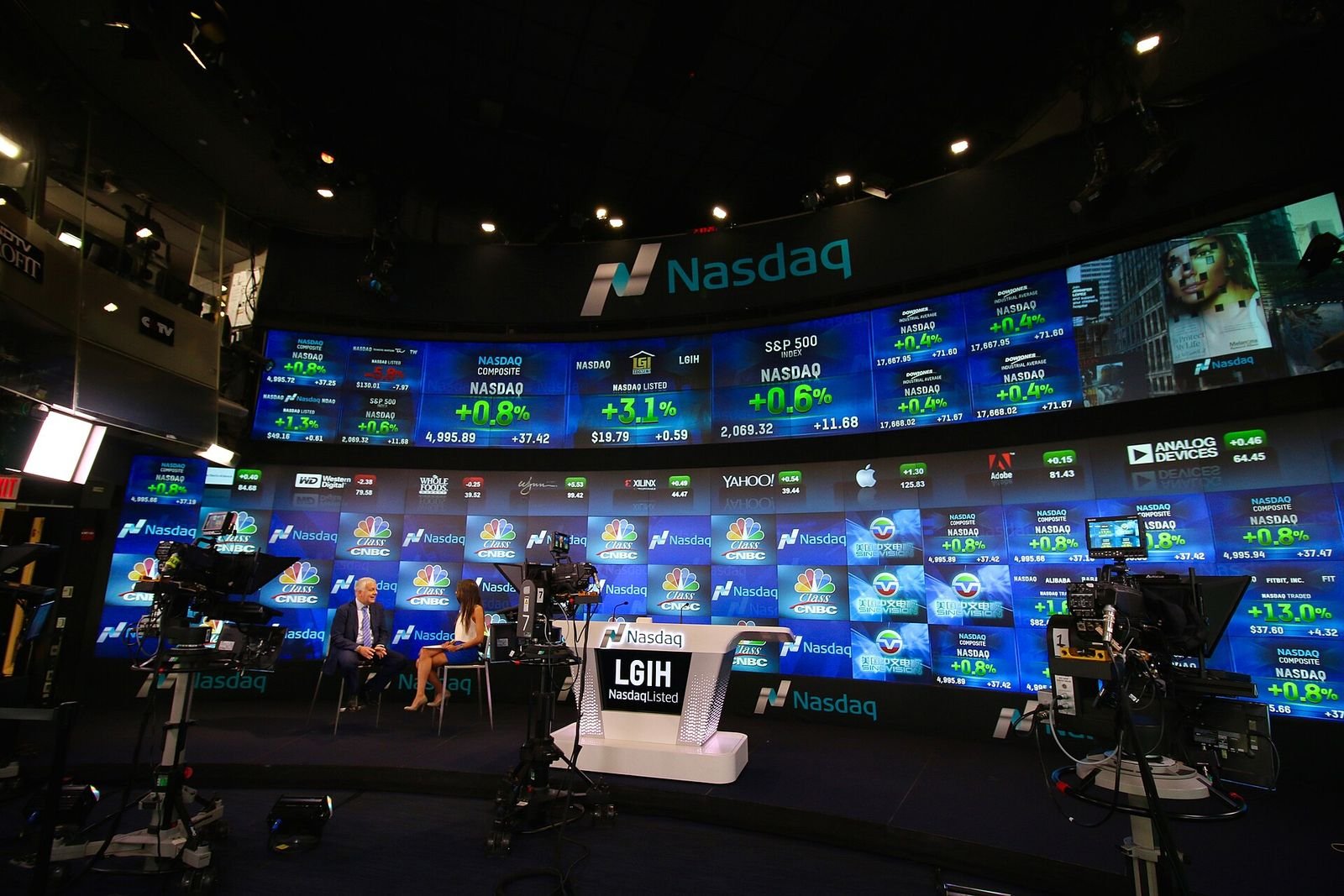
The S&P 500 fell 147.80 points, or 2.02%, to close at 7,175.83 — its sixth straight loss, the longest such streak in two and a half years, leaving it down about 8% from its all-time high set last month and on course for its steepest weekly loss since April 2025. The Dow Jones Industrial Average dropped 1,101.11 points, or 2.19%, to 49,097.06, closing below the 50,000 level, while the Nasdaq Composite lost 550.69 points, or 2.25%, to 23,879.20. The reversal was stark: the S&P 500 had jumped as much as 1.3% in early trading before turning negative, and more than 90% of the stocks in the index fell on the day.
Anthropic's debut, the largest IPO on record, was priced late Wednesday at $83 per share and was widely viewed as the next high bar for the AI trade to clear. The stock opened at $111.50 shortly before noon, briefly pushing the company's market valuation above $2 trillion, before losing steam to close at $97.17 — up 17.07% from its offering price but down nearly 13% from its first trade. "The Anthropic IPO is attracting gobs of attention," said Jed Ellerbroek, portfolio manager at Argent Capital in St. Louis. "That money is coming from somewhere; investors are making changes in their portfolio to incorporate Anthropic, so I wouldn't extrapolate a whole lot of meaning from today's trading behavior, whether it's up or down."
Most chipmakers were lower, including Micron and Broadcom, and Nvidia marked its sixth straight session of losses after the chipmaker's upbeat revenue forecast did little to lift sentiment. Advanced Micro Devices tumbled after investigative outlet Hunterbrook said its affiliated fund, Hunterbrook Capital, had taken a short position in the company, and neocloud firms CoreWeave and Nebius sustained steep losses. In other stocks, Palo Alto Networks jumped after the cybersecurity firm raised its 2027 revenue guidance, while Walmart dipped after the retail giant's annual sales forecast disappointed investors.
Attention now turns to the Federal Reserve. Following Wednesday's release of minutes from the Fed's October policy meeting, which revealed a desire to rein in inflation even before recent consumer and producer price data showed price pressures heating up, financial markets are pricing in about a 94% likelihood of a 25-basis-point rate hike at the central bank's December meeting, with a small but growing chance of a 50-basis-point increase, according to CME's FedWatch tool. Next week, the Commerce Department is expected to release its personal consumption expenditures report, which includes the Fed's preferred inflation gauge; analysts expect year-on-year core inflation of 3.2%, well above the Fed's 2% annual target. The 10-year Treasury yield eased to 5.05% from 5.07% on Wednesday, offering little relief for equities.