Hackers are stepping up attacks on U.S. ports and cargo ships, targeting the computer systems that keep goods and energy exports moving, the Financial Times reported on Sunday, according to Newsmax. The attacks have intensified in recent months, with breaches reported at ports, aboard oil tankers and at a major shipping company, the report said.
The chief executive of the nation's largest crude oil export hub, the Port of Corpus Christi in Texas, said his port faces hundreds or even thousands of attempted intrusions each day, Newsmax reported. At Corpus Christi, which handles about 2.3 million barrels of crude oil exports a day, hackers have probed networks and sent messages impersonating senior executives to trick employees into granting access, according to the report. "They're poking at our systems and trying to find vulnerabilities," Port of Corpus Christi CEO Kent Britton said. "With AI, it'll only get more complicated."
Corpus Christi is preparing to hire its fourth cybersecurity staff member and is seeking additional help from Washington, Newsmax reported. If an attack takes its systems offline, tugboats can escort vessels through parts of the channel, and the harbor master's office can use two-way radios, binoculars and paper records to keep traffic moving, according to the report. Britton said some of the attempts came from states and organizations known for malicious activity but declined to identify them, and the FBI recently warned that hackers are using artificial intelligence to automate attacks, the report said.
The U.S. Coast Guard said increasingly connected computer networks and equipment controls mean a breach can shut a terminal gate, interrupt cargo handling or disrupt ship systems, putting crews and supply chains at risk, Newsmax reported. An Aug. 4 cyberattack disrupted operations at all three North Carolina Ports facilities, in Wilmington, Morehead City and Charlotte, according to WECT in Wilmington, North Carolina. "In Wilmington, the operations team implemented a delayed opening and transitioned to manual gate processing, allowing the IT team to focus on system recovery efforts," a North Carolina Ports spokesperson told the station, adding that the agency contained the breach and that there was no indication sensitive data had been compromised, the report said.
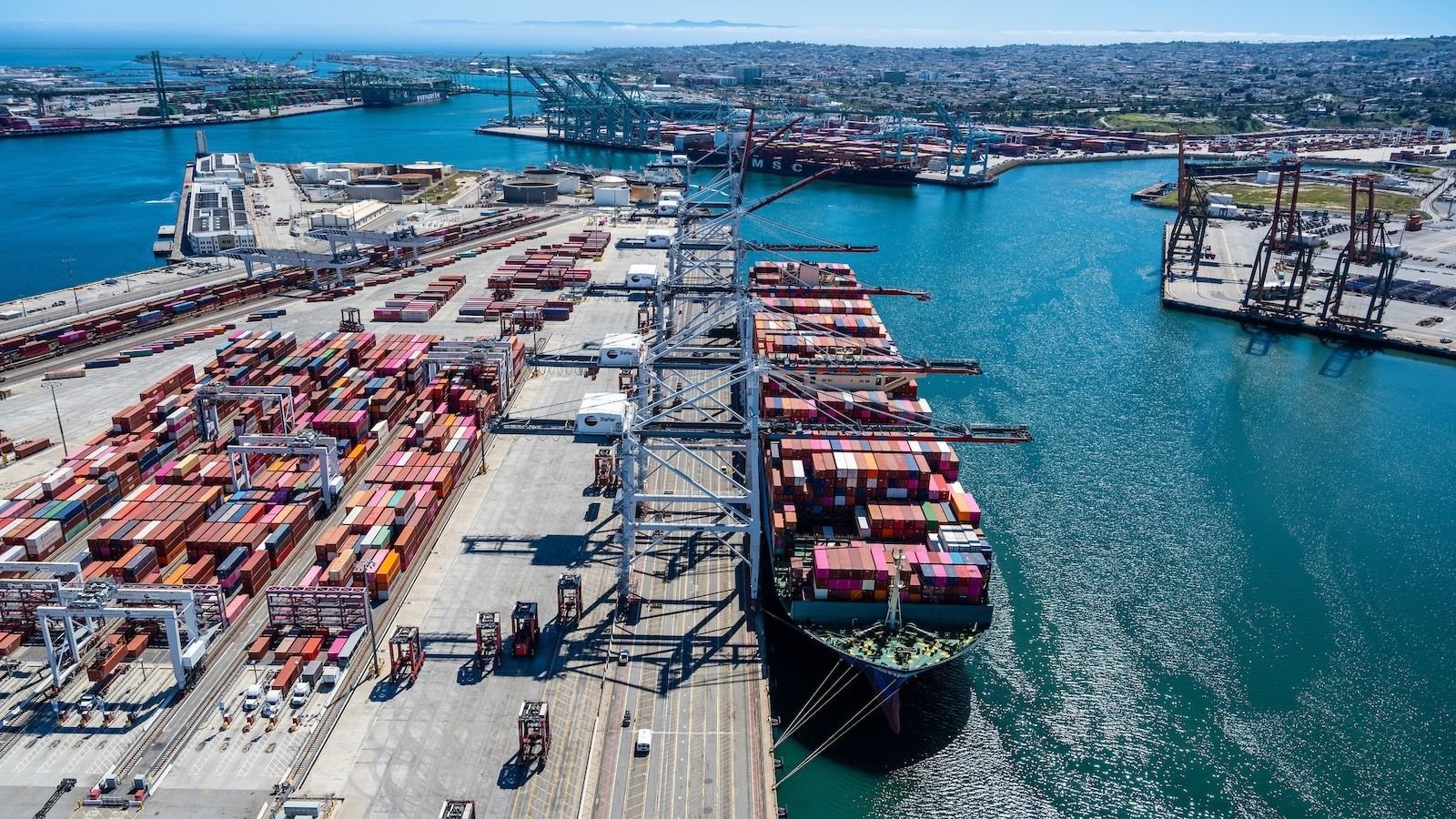
The Coast Guard reported a 17% increase in maritime cyber incidents last year, Newsmax reported. In August, the agency and the FBI boarded two foreign-flagged tankers after indications their networks had been compromised near the Strait of Gibraltar; the vessels were carrying crude oil and liquefied petroleum gas from the Mediterranean to Galveston, Texas, and investigators have yet to publicly identify suspects, according to the report. The Port of Los Angeles said it blocked 120 million attempted attacks in August, including automated attempts, nearly double its monthly average in 2023, and shipping company Maersk said hackers stole data in a breach this month while its operations continued without disruption, the report said.
The Coast Guard issued maritime cybersecurity rules in 2025 requiring covered operators to report qualifying cyber incidents to the National Response Center and provide annual training to personnel with access to computer networks or equipment controls, Newsmax reported. By July 16, 2027, covered owners and operators must designate a cybersecurity officer, complete an assessment and submit a cybersecurity plan to the Coast Guard for approval, according to the report. "Early preparation is absolutely critical," said Rear Adm. Robert Compher, the Coast Guard's assistant commandant for prevention policy. The Port of Virginia conducts monthly employee training and holds drills with the Coast Guard, and port spokesperson Joe Harris said it had yet to suffer a successful breach: "We're an economic pinch point. Getting taken offline is not an option," the report said.