WASHINGTON — American households face higher heating bills this winter, with the average bill projected to rise more than 7 percent nationwide — and families that heat with oil facing a spike of about 70 percent, according to a new national forecast.
The National Energy Assistance Directors Association (NEADA) projects the average U.S. household will spend $1,002 on home heating this winter, up 7.1 percent — about $66 — from $936 last winter. The report, released this week, blames disruptions to international fuel supplies linked to the war with Iran and the wider Middle East conflict.
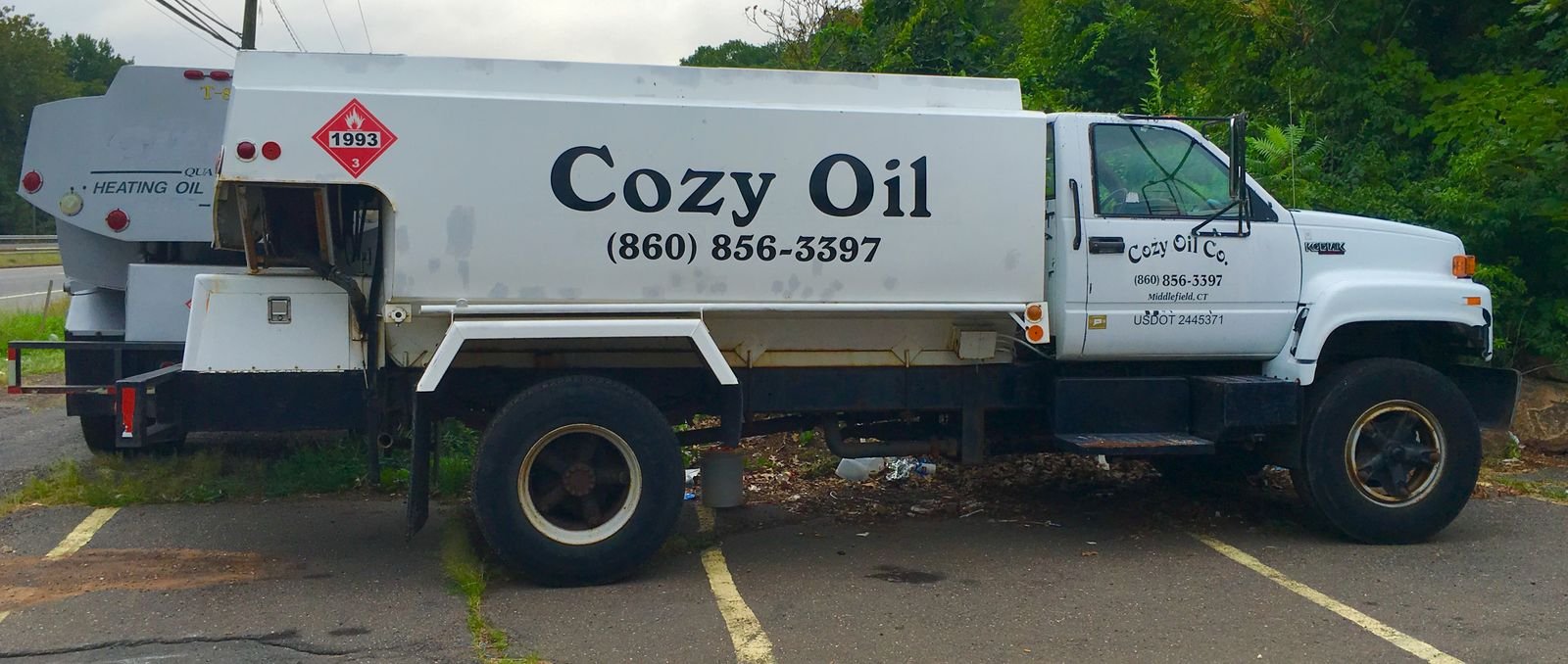
Households that rely on heating oil face the steepest increases. Nearly 5 million American homes depend on the fuel, mostly in the Northeast, and their seasonal costs are projected to jump 70.2 percent to about $2,977, up from $1,749 last winter. The Northeast as a whole faces a 16.9 percent increase in average heating expenses — about $221 — with bills rising from $1,311 last winter to $1,532 this season.
Other fuels will cost more too, though less dramatically. Electricity-based heating is projected to rise about 6 percent to $1,215 for the season, while propane climbs about 5 percent to $1,350. Natural gas costs are expected to remain roughly flat. Heating oil is essentially the same distillate as diesel, which is also used to make jet fuel, tying its price directly to global oil markets.
Prices have eased slightly in recent weeks — the national average residential heating oil price fell to $6.14 a gallon in the week ending November 2, down from $6.23, according to the U.S. Energy Information Administration — but it remains roughly 69 percent higher than the same time last year. Mark Wolfe, NEADA's executive director, warned families should not assume prices will keep falling. "For planning purposes, we believe it is prudent to assume that heating oil prices will remain elevated throughout the winter heating season," he said.
The increases land on households already under strain: about one in six U.S. households are behind on utility payments, collectively owing around $23 billion, according to NEADA. The association has called on Congress to provide emergency assistance before winter billing peaks, warning that higher energy costs could push more families into shutoffs. The forecast is slightly lower than NEADA's late-September projection of an 8.7 percent rise, a revision the association credits to a forecast "super" El Niño pattern that could trim heating demand.