A U.S. federal judge on Monday struck down the Trump administration's rule imposing fixed time limits on the stays of foreign students, exchange visitors and journalists, vacating the policy in full and preserving the decades-old Duration of Status system.
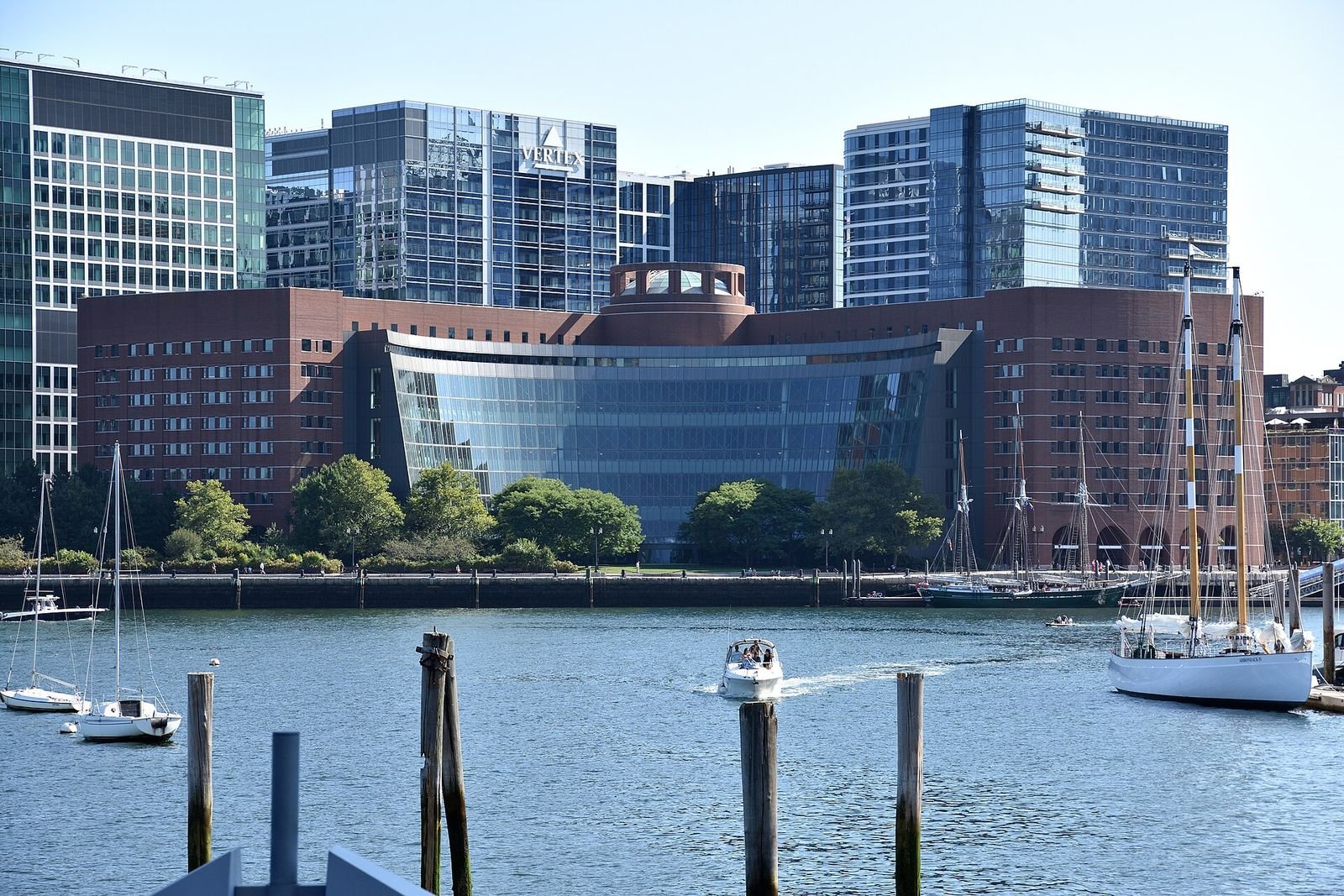
U.S. District Judge F. Dennis Saylor IV of the District of Massachusetts ruled that the Department of Homeland Security's final rule was "arbitrary, capricious, an abuse of discretion, and otherwise not in accordance with law," finding that it exceeded the department's statutory authority and failed to justify its costs or consider less burdensome alternatives. He granted the challengers' motion for summary judgment and rejected the government's cross-motion.
The rule, published on July 17, 2026, would have replaced Duration of Status — under which students and journalists may remain in the United States for the length of their authorized program or activity — with fixed admission periods. F-1 students would have been limited to their program end date or four years, whichever came first; foreign journalists would have been capped at 240 days, and Chinese journalists at 90 days. It would also have cut the grace period after studies or post-completion Optional Practical Training from 60 days to 30, and imposed a 24-month aggregate limit on language programs.
The rule never took effect. On September 14, one day before its planned start date, Judge Saylor issued a preliminary injunction postponing it, and the government appealed that order to the U.S. Court of Appeals for the First Circuit, where it remains pending. Monday's ruling goes further, resolving the case on the merits and setting the rule aside entirely under the Administrative Procedure Act.
The challenge was brought by a coalition of higher education organizations, labor unions and journalists' representatives, including NAFSA: Association of International Educators, the Presidents' Alliance on Higher Education and Immigration, the American Federation of Teachers and The NewsGuild-CWA, in the case Presidents' Alliance on Higher Education and Immigration v. U.S. Department of Homeland Security.
Boston University's International Students & Scholars Office called the decision welcome news, saying implementation of the rule's provisions — including fixed expiration dates on I-94 records and restrictions on academic mobility — will remain paused while litigation continues. The department is expected to appeal the summary judgment ruling.
The decision carries particular weight for Indian students, the largest source of international students in the United States, and comes the same week the Institute of International Education's Open Doors 2026 report showed new international student enrollment in the U.S. falling 15 percent this fall.