President Donald Trump signed an executive order on Thursday directing the reclassification of marijuana as a less dangerous drug, the biggest shift in federal drug policy since 1970, and his acting attorney general signed the order moving state-licensed medical marijuana out of the strictest category.
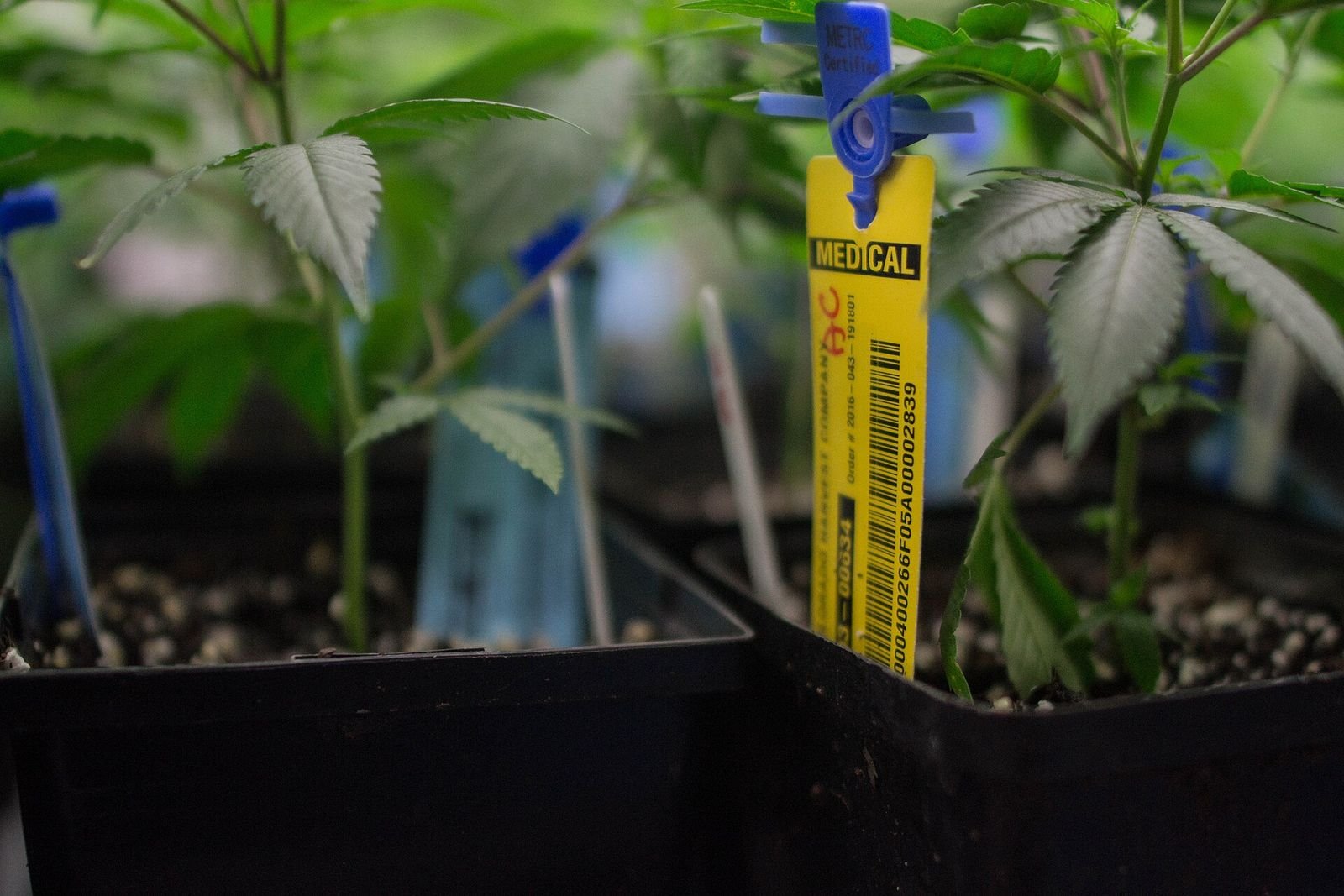
Acting Attorney General Todd Blanche signed the order shifting licensed medical marijuana from Schedule I — reserved for drugs with no accepted medical use and a high potential for abuse — to the less strictly regulated Schedule III, the Associated Press reported. Schedule III drugs are defined as having a moderate to low potential for physical and psychological dependence, a category that includes ketamine and some anabolic steroids.
The move does not legalize marijuana for medical or recreational use under federal law. Marijuana and marijuana-derived products that are not distributed through a state medical marijuana program will continue to be classified in Schedule I.
The order largely legitimizes the medical marijuana programs in the 40 states and Washington, D.C., that have adopted them, and it is expected to ease the heavy tax burden on the cannabis industry and open new avenues for medical research. Any marijuana-derived medicine approved by the Food and Drug Administration is similarly listed in Schedule III.
Trump told his administration in December to work as quickly as possible to reclassify marijuana, and on Saturday he expressed frustration that the process was taking so long. Blanche said on Thursday that the Justice Department was "delivering on President Trump's promise" to expand Americans' access to medical treatment options.
The administration is also launching a new administrative hearing process beginning in June to consider the broader rescheduling of marijuana. The Justice Department under Trump's Democratic predecessor, Joe Biden, had previously proposed reclassifying marijuana to Schedule III, but the Drug Enforcement Administration was still in the review process when Trump took office in January.
Trump also signed a separate executive order on Thursday declaring fentanyl a weapon of mass destruction.