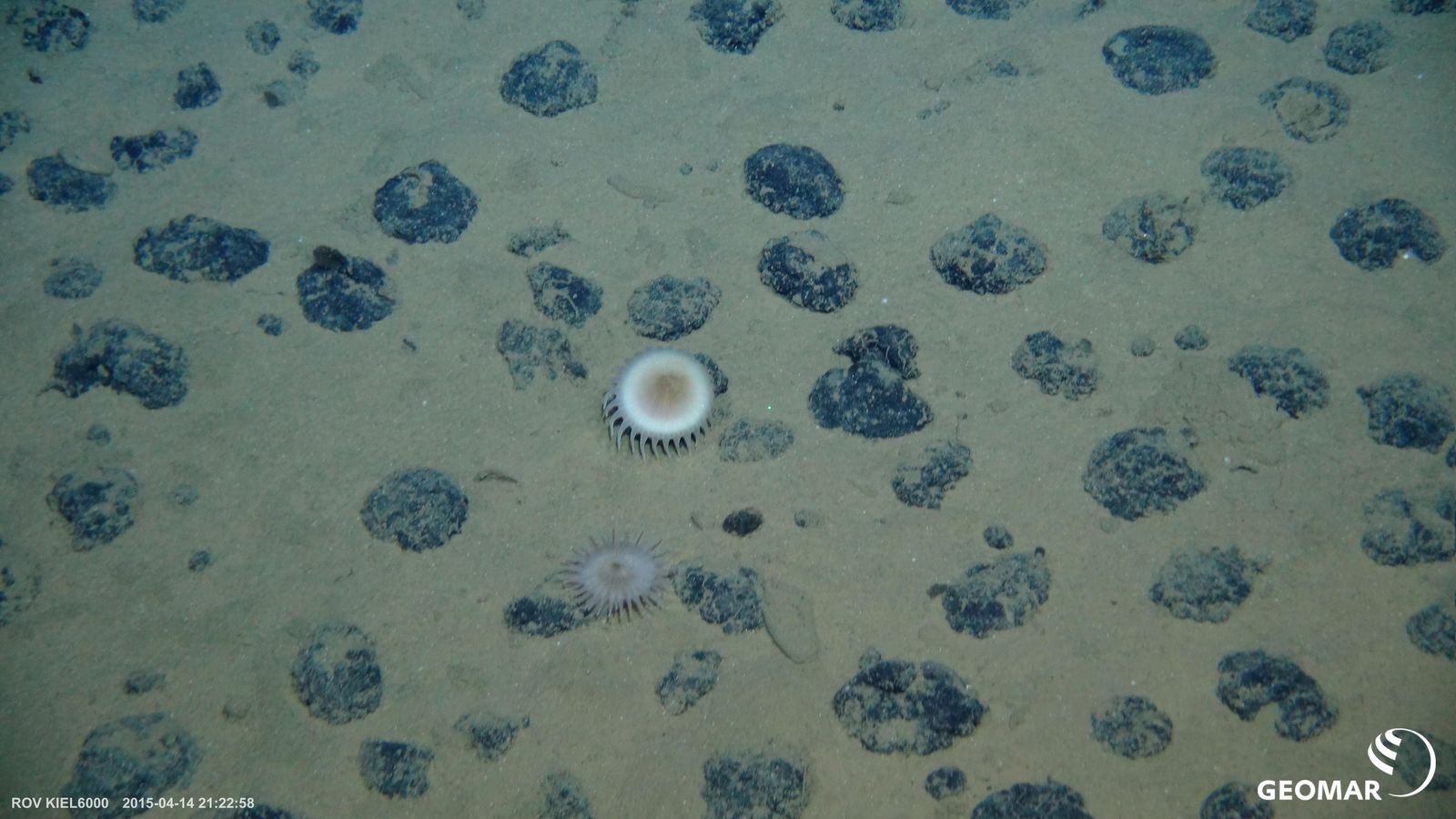
The Trump administration held the world's first-ever deep-sea mining lease sale on Nov. 19, selling rights to tens of millions of acres of Pacific Ocean seafloor near American Samoa just days after a federal court found the plan violated the Endangered Species Act, USA Today reported.
Interior Secretary Doug Burgum called the sale a historic step for America's energy and mineral security. Supporters say deep-sea mining would reduce reliance on China for critical minerals used in batteries, electronics, defence technologies and data centres. The Marine Minerals Administration did not immediately announce the winners of the auction.
For $6 million the government sold about 31 million acres next to the Rose Atoll Marine National Monument, home to threatened and endangered species including whales, turtles and coral, USA Today reported. On Nov. 16 a federal judge in Hawaii ruled the administration had failed to consider the potential effects of the lease sale on endangered species when it approved the auction.
Chris Eaton, an attorney with Earthjustice, one of the groups suing over the sales, called the decision to proceed despite the ruling a renegade, unlawful act and said the groups would push for the leases to be voided. The Marine Minerals Administration said it acknowledges the court's opinion and has begun formal incremental-step consultation on a wider scope of activities that will include harvesting deep-sea minerals.
The 20-year leases allow holders to conduct research, pilot tests and other preliminary activities, according to the Bureau of Ocean Energy Management, and leaseholders cannot begin testing or mining until they complete further environmental reviews. Environmental groups argue that excavating minerals from the ocean floor is technologically unproven and would cause irreparable harm to ecosystems, with Oceana campaign manager Julia Singer warning of catastrophic consequences for generations.