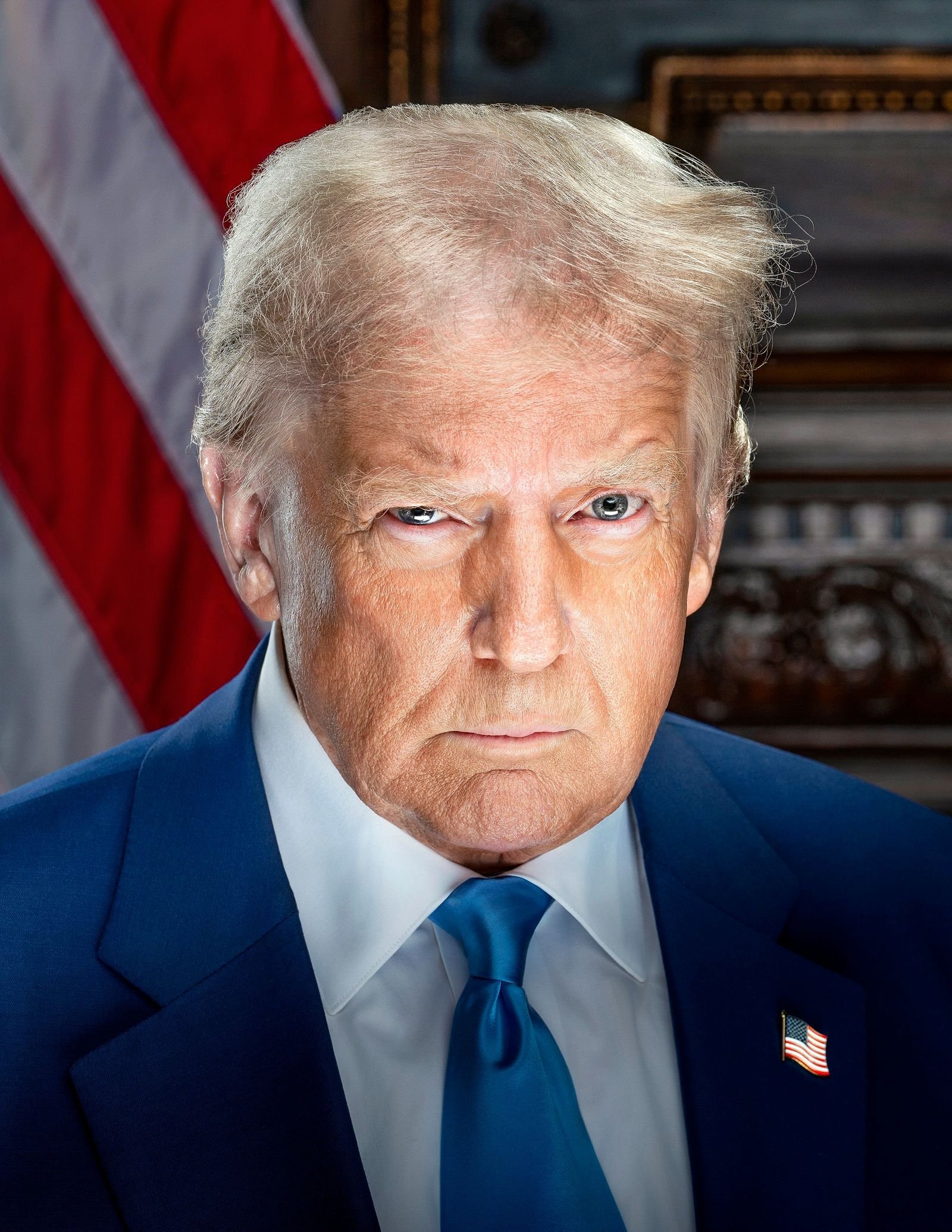
President Donald Trump bought between $1 million and $5 million worth of Nvidia shares in the days before his administration scrapped a Biden-era framework restricting exports of advanced artificial intelligence chips, according to an analysis of his financial disclosures cited by The Guardian.
The framework, introduced by the Biden administration in January 2025, divided countries into tiers and was designed to restrict the export of advanced US-made chips to countries including China. Its removal in May 2025 benefited Nvidia, which would otherwise have faced constraints on sales to the Chinese market. The company's shares rose after the administration announced the rollback.
The Guardian also reported that Trump purchased Nvidia shares at least three times in December 2025, shortly after announcing that his administration would allow the company to sell its H200 chips to China. He also bought shares in other technology companies, including Apple, Meta and Microsoft, around the same period.
Financial disclosures showed that Trump purchased between $500,000 and $1 million worth of Nvidia shares on January 6, while the Commerce Department approved H200 chip sales to China a week later.
Democrats have begun procedures for a formal investigation into the matter. Two senior Democrats, Representative Richard Neal of Massachusetts and Senator Ron Wyden of Oregon, opened a congressional inquiry on Thursday into the administration's handling of Nvidia's chip sales to China, sending a letter to Commerce Secretary Howard Lutnick asking the department to preserve records around an arrangement they described as questionable and, in their view, illegal.
The report also noted that Nvidia contributed $25 million towards Trump's ballroom project in October 2025.
The controversy has intensified following the resignation of Nvidia co-founder and former chief executive Jensen Huang on November 12 amid reports about his relationship with Alice Huang, a businesswoman whom US officials suspect of spying for China. Beijing has dismissed the allegations against her as baseless. US officials are concerned that a Singapore-based company linked to Alice Huang may have diverted restricted Nvidia chips to China.
The allegations are based on Trump's publicly disclosed stock transactions and do not establish that he acted with improper intent. The administration has previously defended its decision to ease export restrictions, arguing that the earlier rules burdened businesses, stifled US innovation and imposed excessive regulation. No response from the White House or Nvidia to the latest report was available.
Questions over Trump's Nvidia investments had surfaced earlier this year. In May, after his Beijing visit, Senator Elizabeth Warren described the president's alleged corruption as "a national security disaster".
Trump's son Eric denied wrongdoing at the time, saying the family's exposure to Nvidia came through broad index funds rather than direct purchases. Advisers to the president said the transactions were handled through automated portfolios. US officials have said Trump is not expected to raise the issue with Chinese President Xi Jinping during his upcoming visit to China.


