The Supreme Court on Monday let the Trump administration resume building border barriers and roads in the Big Bend region of West Texas, lifting a federal judge's order that had halted the work in October while the legal challenge continues.
In an unsigned four-page opinion in Mullin v. Friends of the Ruidosa Church, No. 26A560, the justices granted the government's emergency request to stay a preliminary injunction issued by U.S. District Judge Kathleen Cardone of the Western District of Texas. Justice Ketanji Brown Jackson was the only justice noted as saying she would have denied the request. The court declined the administration's separate request to summarily reverse Cardone's ruling outright.
The case turns on Section 102 of the Illegal Immigration Reform and Immigrant Responsibility Act of 1996, as expanded in 2005, which lets the secretary of homeland security build barriers in areas of high illegal entry and waive "all legal requirements" deemed necessary to build them quickly. The law says a challenge may only allege a violation of the Constitution, and the justices said the government is "exceedingly likely to prevail" on its argument that the trial judge had no power to hear the challengers' main claim, which rested on the major-questions doctrine. "There is no such thing as a 'constitutional' major-questions claim," the opinion said.
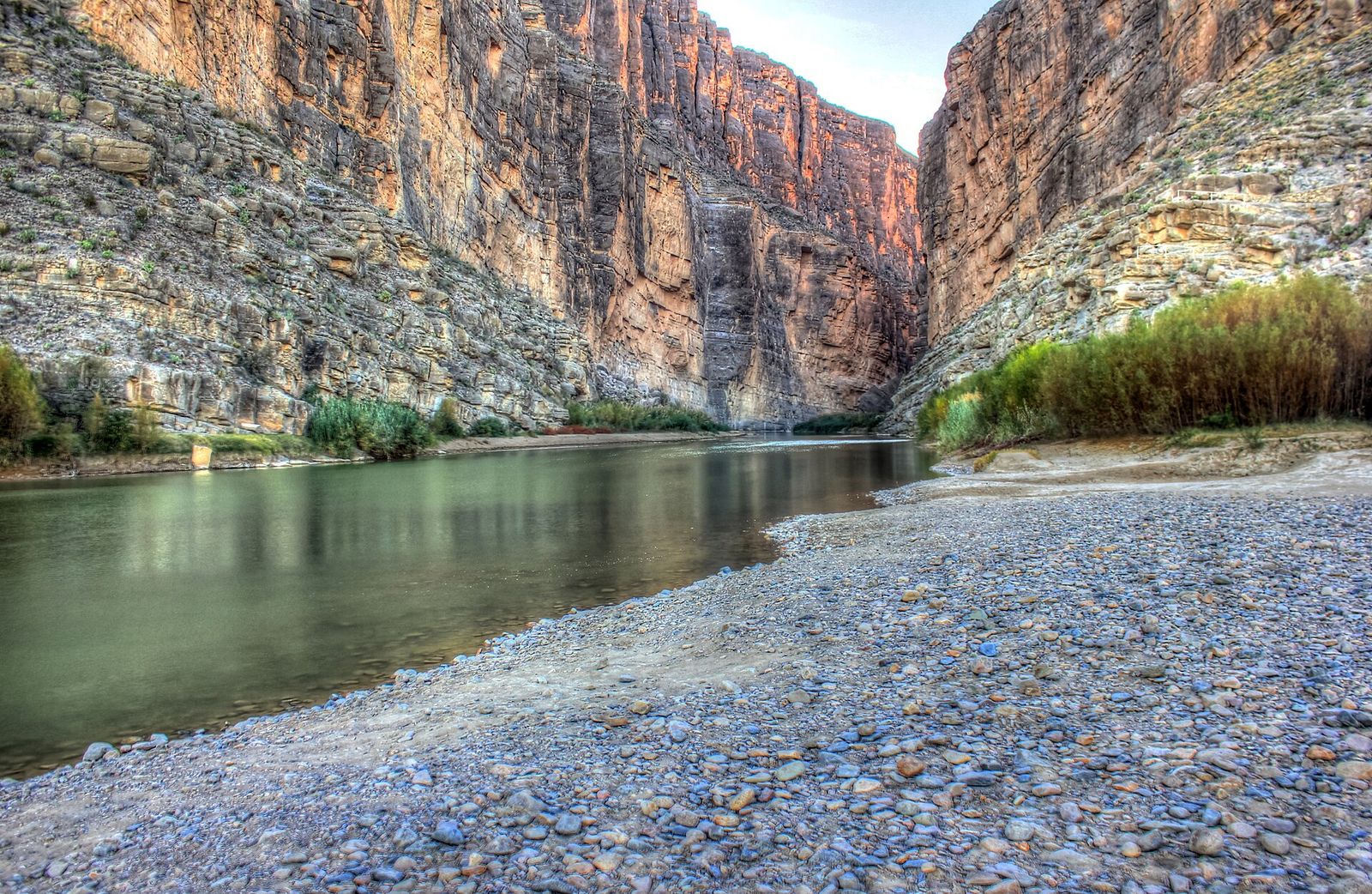
Three waivers cover the region - one issued by former Homeland Security Secretary Kristi Noem and two by her successor, Markwayne Mullin - spanning more than 300 miles in what Customs and Border Protection calls the Big Bend Sector, which includes 517 miles of Rio Grande riverfront, almost a quarter of the southwest border. The government told the court the injunction was costing it nearly half a million dollars a day.
The challengers - the Center for Biological Diversity, a local river guide and a group formed to preserve a historic church in Ruidosa, Texas - say the work reaches into parts of Big Bend National Park. Construction began near Santa Elena Canyon on August 6 and was paused on August 17. A separate suit filed on September 14 by six landowners and the group Conserve Big Bend argues the waivers were improperly issued and violate landowners' Fifth Amendment due process rights.
The order is not a final ruling on whether the waivers are lawful. The stay remains in place while the government asks the Supreme Court to take up the case, and it ends automatically if the justices decline to do so. The Big Bend work is part of a $46 billion effort to line the southern border with 30-foot steel walls, vehicle barriers, roads and surveillance technology, the Associated Press reported in October.