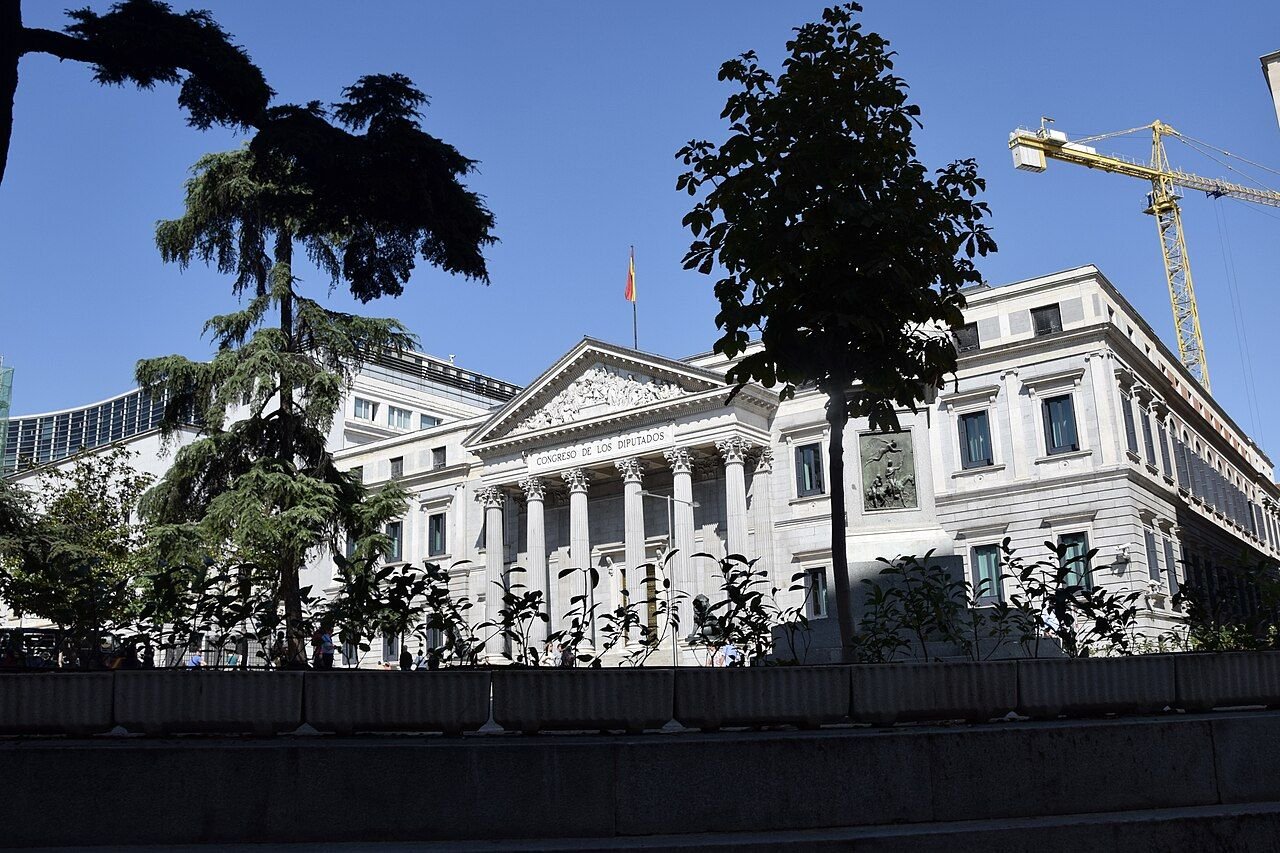
MADRID — Spaniards head to the polls on Sunday in a snap general election that could hand Socialist Prime Minister Pedro Sánchez another term or usher in conservative opponents who may need to govern in coalition with the far right.
Voting opens at 9 a.m. (0800 GMT) and closes at 8 p.m. (1900 GMT), when exit polls taken in the final week of the campaign will be released. The first results are expected around an hour later. The winning party needs 176 seats in the 350-seat parliament for a majority.
A defeat for Sánchez could bring a far-right party into national government for the first time since the death of Francisco Franco in 1975 allowed for the restoration of democracy three years later. It would also reflect a broader rise of the far right across Europe amid concerns over immigration. Vox advocates tougher immigration controls, recentralisation of state powers, lower taxes and the reversal of many progressive social policies.
Sánchez, who has governed with fragile minority coalitions since 2018, called an early election saying he needed a majority after parliament rejected decrees he proposed to address a mounting housing crisis. The campaign has been marked by sharply different solutions to rising rents and evictions. Sánchez insisted on Friday that internal data showed he could secure a majority with smaller left-wing parties, even though most polls point to a victory for the centre-right People's Party when combined with Vox.
A coalition between the PP and Vox is seen as the most likely outcome, although it would involve hard bargaining over the share of ministries Vox would get. Analysts say that, depending on how many seats Vox wins, it could opt to support the PP from outside the government. Sánchez has described the prospect of a PP-Vox coalition as a "regression." The PP and Vox already govern in coalition in four regions.
Sánchez has pointed to his record of overseeing one of the fastest-growing economies in the EU, bolstered by a rise in the minimum wage and a labour reform that has pushed unemployment to its lowest level in almost two decades. But some Spaniards say they are not feeling the effects of those headline gains due to rising prices for housing, energy and consumer goods. The boom has been fuelled by migrants, and economists fear the anti-immigration policies of a potential right-wing government could stifle growth.