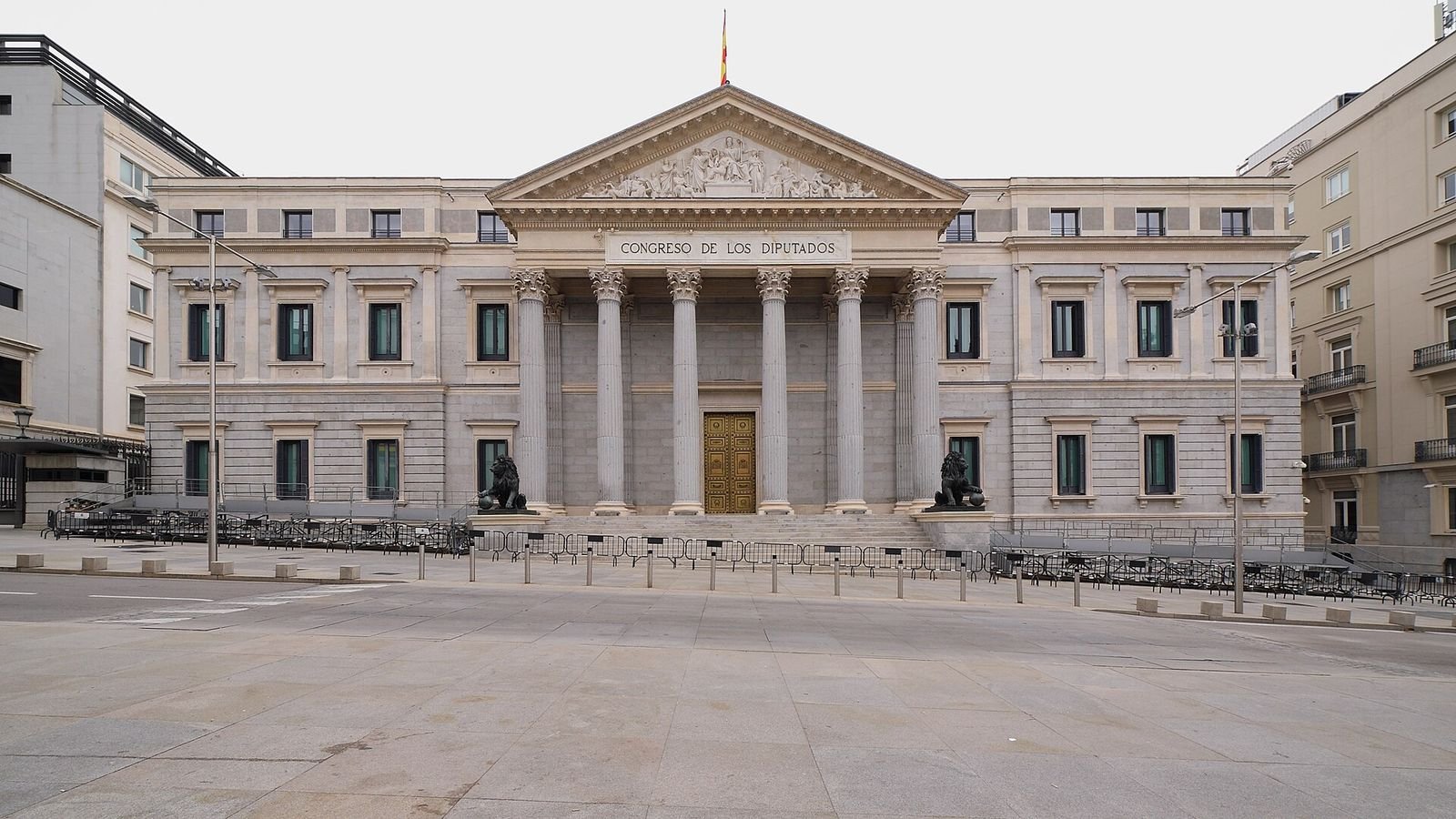
Spain's Congress has validated the government's emergency plan for housing, just a few hours after the general strike promoted by the tenant unions, on the second attempt after the measures were voted down in October.
The decree-law contains a broad package of regulatory and tax measures to try to address the housing crisis. In addition to temporary protection against evictions without an alternative, it extends by two years lease contracts, it includes the regulation of seasonal and room rentals, tax reductions in IRPF for owners who lower rents, raises VAT to 10 percent on tourist apartments, and restricts purchases by investment funds.
The executive achieved its validation thanks to different arithmetic in the Diputacion Permanente, the standing committee that sits while the chamber is in recess, since there the PP, Vox and Junts do not reach the absolute majority that overthrew the decree-laws in October. It was the repeal of the decrees a little more than a month ago that triggered the early calling of elections by President Pedro Sanchez and the dissolution of the Cortes. Days later, the government rescued the decree-laws, which were examined this Thursday.
The second decree-law did not go through, which would have enabled the indefinite extension of rental contracts with compensation for tenants in the event of termination. The PNV, which supported the decree-law with the bulk of the measures, rejected it because it was a measure not negotiated in advance. The indefinite extension was a demand incorporated after pressure exerted by the tenants' union in the mobilizations triggered after the eviction of Maricarmen, an 87-year-old woman from Madrid who died in hospital days after being taken out of her home.
"If today the Congress is going to take a position in favor, it will be thanks to the mobilization," Pablo Bustinduy, Minister of Social Rights and Consumer Affairs, said in defending the failed indefinite renewal of the contracts. Isabel Rodriguez, Minister of Housing, appealed to the vote in her intervention, assuring that the proposal by PP and Vox represents a "backward step" in housing matters, and defended that housing is a right, not an investment asset.