BRUSSELS — Serbia's new political leadership was conspicuously absent from the European Union–Western Balkans summit in Brussels on Wednesday, leaving Brussels waiting to learn how the incoming government in Belgrade intends to position the country on the bloc's most sensitive foreign-policy questions.
Serbia was the only one of the EU's six Western Balkan partners not represented at the meeting, which brought together the leaders of Albania, Bosnia and Herzegovina, Kosovo, Montenegro and North Macedonia with European Council President António Costa and European Commission President Ursula von der Leyen.
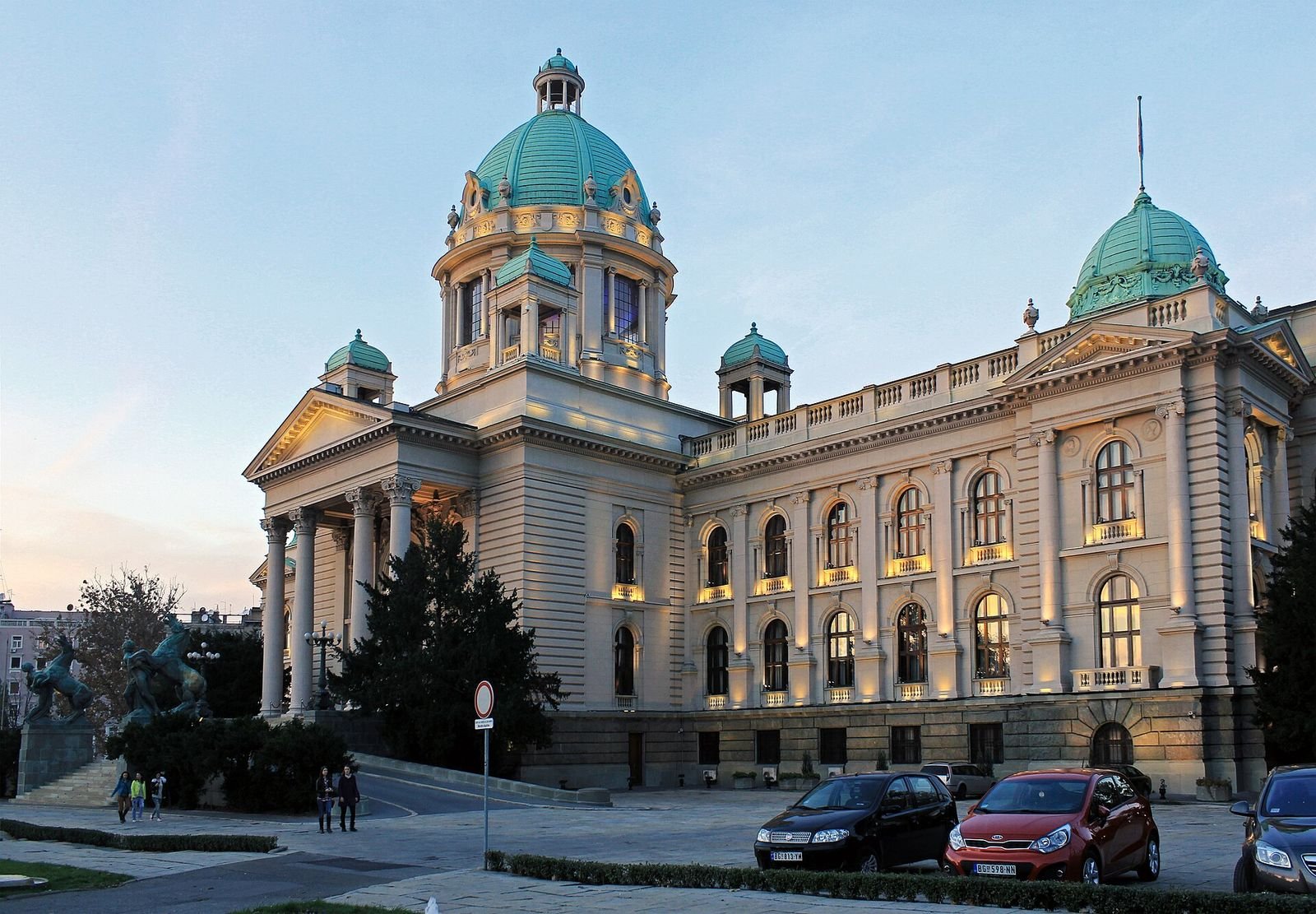
Aleksandar Čupić, Serbia's newly elected parliamentary speaker and acting president, was invited but declined, citing parliamentary business. The Serbian parliament's constituting sitting, which began on Nov. 17, was still under way, and lawmakers were setting up committees and preparing to call presidential elections, with the decision formally scheduled to be signed on Thursday.
"Today we have to finish a constitutive session, and that is our priority right now," Sarah El Sarag, a Student List lawmaker, told Euronews. "It's nothing personal. We have to do this kind of thing first."
The absence is all the more significant because Serbia is in political transition after Aleksandar Vučić's ruling party lost power after 14 years. The Student List, the protest movement's electoral vehicle, won 140 of the 250 parliamentary seats in the Oct. 25 election, with 2,354,417 votes, against 103 seats and 1,731,323 votes for the list led by Vučić. The new government has yet to take office, and presidential elections are scheduled for Dec. 27.
Skipping the summit means Brussels must wait longer to learn how the new leadership intends to position Serbia on the bloc's most sensitive issues, above all Russia. Student List representatives have voiced support for speeding up EU accession, notably through reforms of the rule of law, judicial independence and media freedom, but have so far avoided committing to any shift in foreign policy, including whether Serbia would join EU sanctions against Russia.
Brussels also does not expect Serbia to subscribe to the summit's declaration, which reiterates commitments to EU values and rejects historical revisionism and the glorification of war crimes. The declaration question is sensitive after a September mass funeral attended by senior Serbian officials for convicted war criminal Ratko Mladić drew strong criticism from the EU and several member states.
The absence does not in itself suspend Serbia's accession negotiations or EU funding, and Čupić is expected to visit Brussels at the earliest possible opportunity to discuss Serbia's accession path. But the empty chair casts a shadow over the summit as the EU seeks to capitalise on renewed enlargement momentum: Montenegro is moving closer to signing its accession treaty, and Albania hopes to complete negotiations by the end of next year, while Serbia — the region's largest country — was not at the table.