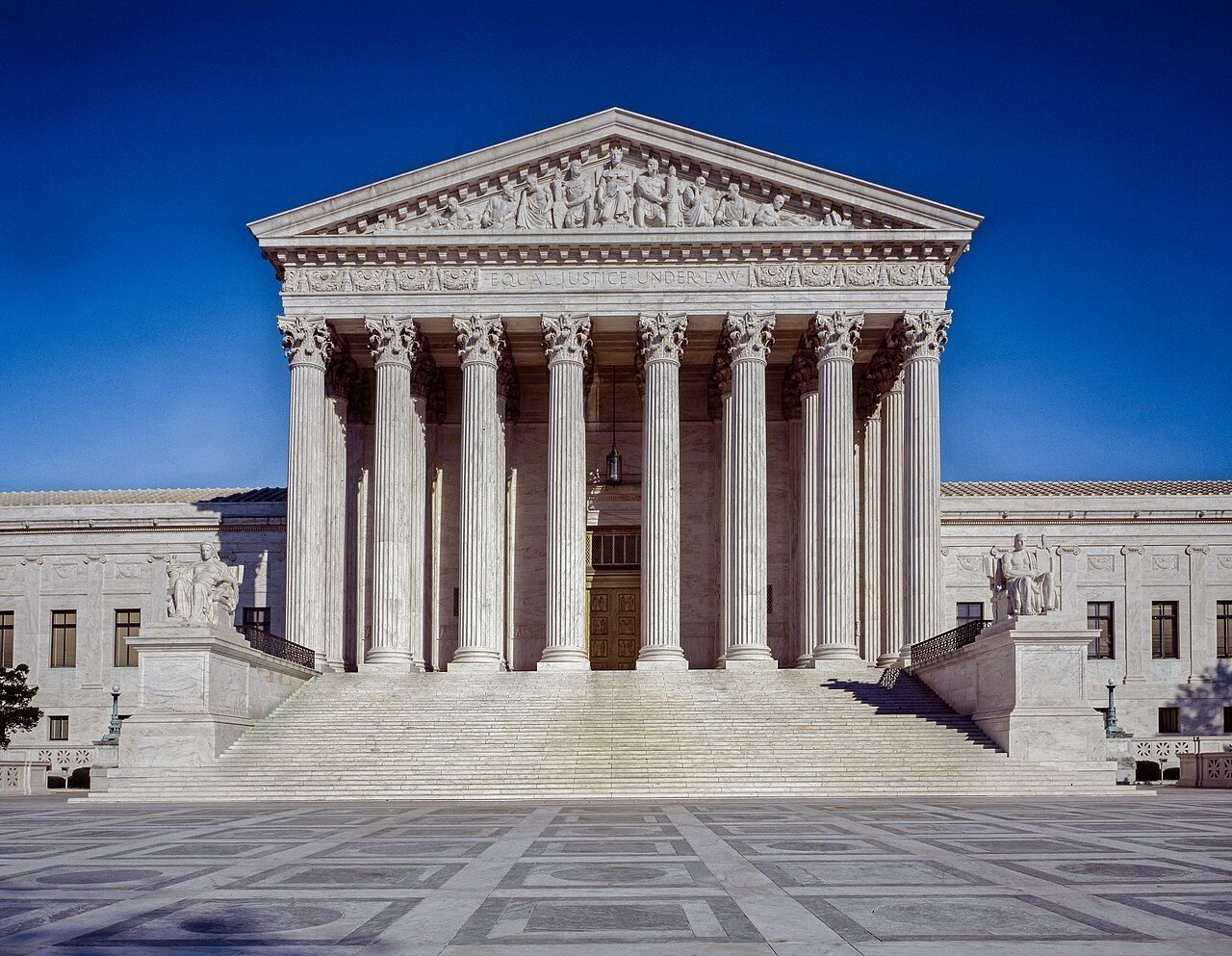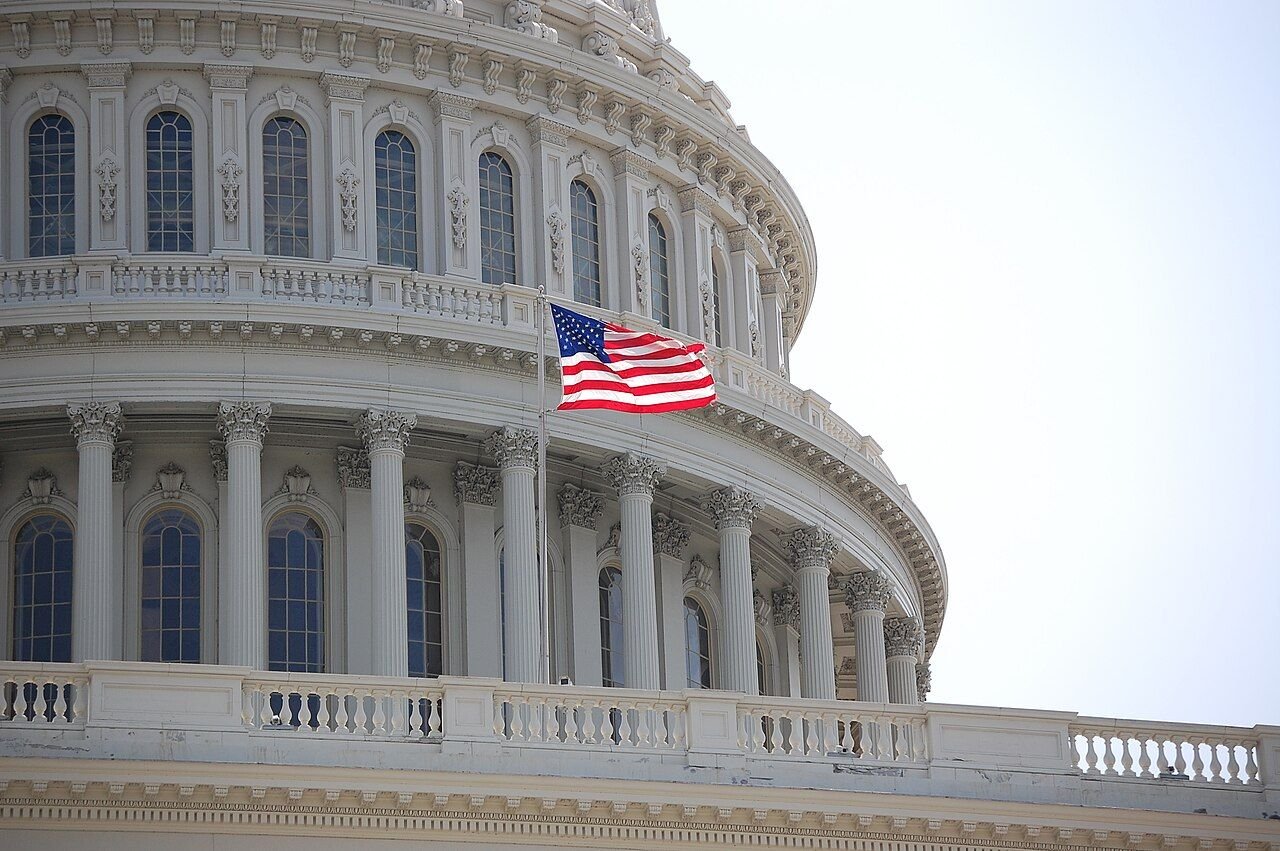
The U.S. Senate voted 62-33 on Thursday to pass a sweeping bipartisan energy permitting bill aimed at speeding approvals for large projects such as power plants, transmission lines, mines and data centers, Reuters reported, in Congress' most significant effort in years to ease bottlenecks blamed for rising energy costs.
The Bipartisan American Affordability and Jobs Act, four years in the making, now heads to the Republican-controlled House of Representatives. President Donald Trump has said he will sign it into law if it passes. Fourteen Democrats and one independent joined most Senate Republicans in supporting the measure, a victory for the bill's two Democratic and two Republican authors, who sought passage before a new Congress begins in January. Two Republicans, Josh Hawley of Missouri and Mike Rounds of South Dakota, voted against it.
The legislation would impose tighter deadlines on federal environmental reviews, accelerate planning and construction of transmission lines and limit the circumstances under which permits can be revoked or challenged in court. It would also require large artificial-intelligence data centers to cover a greater share of the grid upgrade costs associated with their power needs, as lawmakers seek to address rising electricity demand driven by AI and concerns about power prices.
"Tonight, the passage of permitting reform in the Senate finally became reality and we took a major step towards addressing the affordability concerns of the American people," West Virginia Republican Senator Shelley Moore Capito, a co-author, said after the vote. Most opposition came from Democrats who argued the measure would weaken environmental protections and tribal sovereignty; Oregon Democrat Jeff Merkley said tribes had not been adequately consulted and that the bill "needs to be thoughtfully considered in 2027."