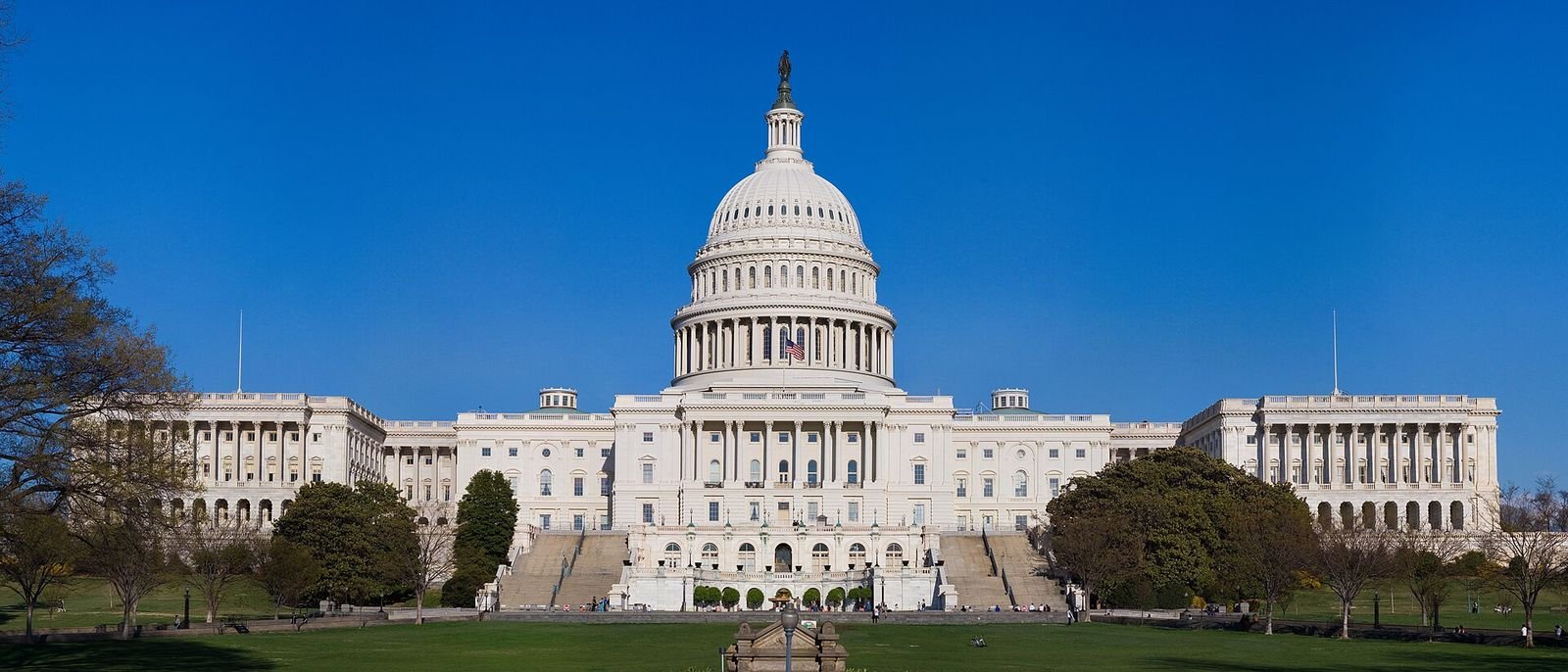
The U.S. Senate is poised for final votes on a sweeping permitting reform bill, with votes on amendments followed by a vote on the bill itself — the last step in the chamber before the measure heads to the House of Representatives.
The Bipartisan American Affordability and Jobs Act, known as BAAJA, runs to more than 400 pages and would cut permitting times for major projects — reducing the time needed to build transmission lines from more than a decade to five or six years, according to supporters — while limiting legal challenges under the National Environmental Policy Act, the Clean Water Act, the Endangered Species Act and the National Historic Preservation Act.
The bill has survived a series of 60-vote procedural hurdles in the Senate, including a 73-25 vote to open debate on November 9 and a 70-27 vote on Monday to limit debate on a substitute amendment from Senator Shelley Moore Capito of West Virginia addressing data-centre power costs and tribal sovereignty. Final passage needs only a bare majority, and the House would then take up the measure.
Almost every Republican has voted for the bill at each stage. Senator Mike Rounds of South Dakota has been the only Republican to vote no in every roll call, while Senator Josh Hawley of Missouri, who opposes the bill's transmission provisions, switched from yes to no. Democratic support, meanwhile, has eroded: 25 Democrats have voted against the bill at every opportunity, including Senators Bernie Sanders, Elizabeth Warren, Ed Markey and Ron Wyden, and several who initially backed it — Jon Ossoff of Georgia, Gary Peters of Michigan and Jeanne Shaheen of New Hampshire — voted no on the final procedural vote on moving to passage.
The politics have cut across the usual lines. Senator Brian Schatz of Hawaii, a self-described climate hawk, has signalled he will vote yes on final passage, and the bill's Democratic negotiators, Senators Sheldon Whitehouse and Martin Heinrich, argue it will help the climate by speeding up transmission lines and putting clean energy on closer to an even footing with fossil fuels. But environmental and tribal groups warn it weakens safeguards, and Senator Tina Smith of Minnesota says she is "firmly opposed" over what it could mean for mining near the Boundary Waters Canoe Area Wilderness.
A final Senate vote is expected before the Thanksgiving recess. If the bill passes, it faces a further fight in the House, where Democratic leaders have threatened to block it without changes to grid reliability and environmental review provisions.