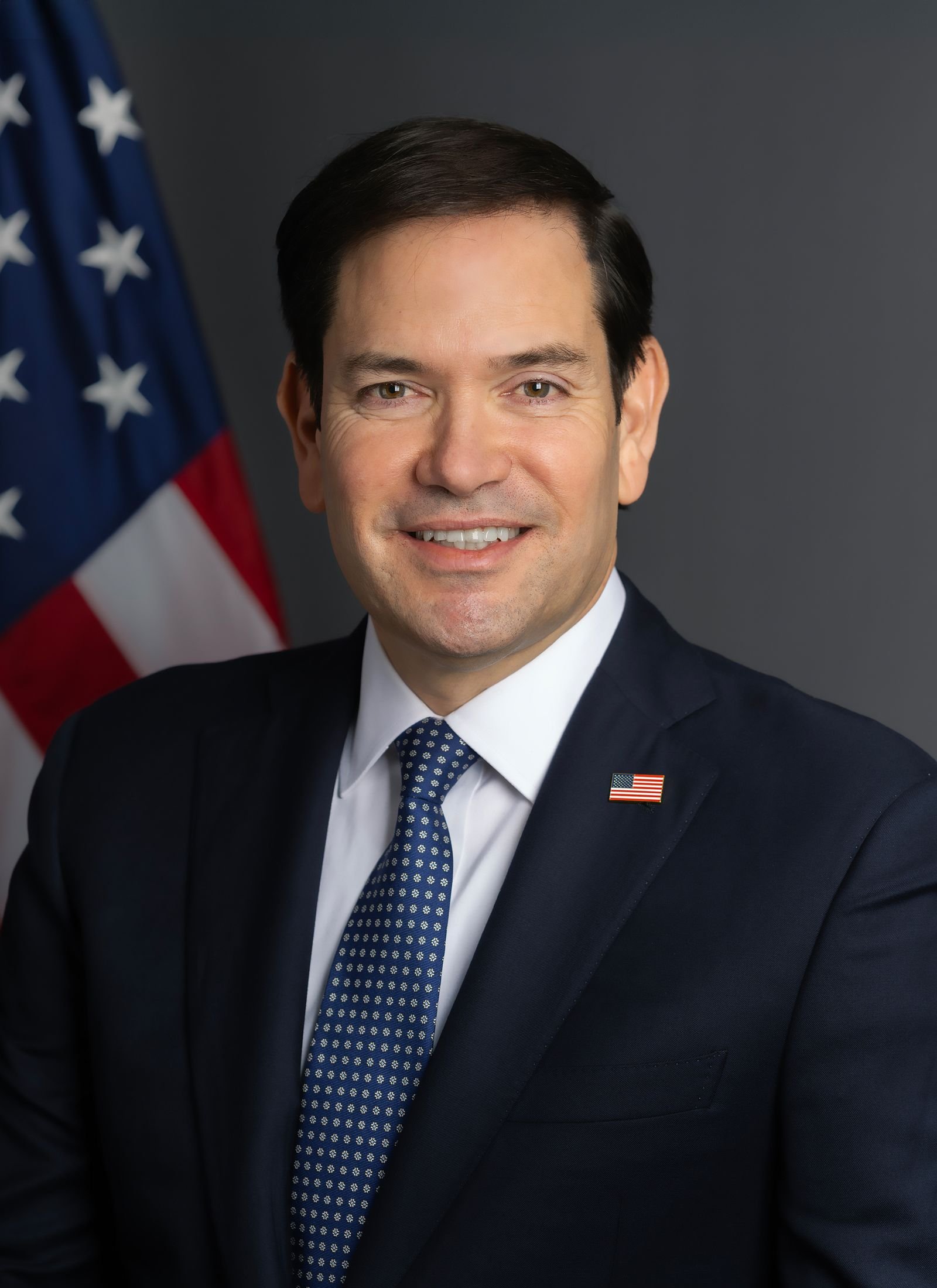
Secretary of State Marco Rubio said on Tuesday that the United States sees no need to resume major combat operations against Iran because its economic pressure campaign is working so effectively — a signal that Washington intends to keep relying on sanctions and a naval blockade rather than new strikes, for now.
"The economic campaign (against Iran) is so devastating that right now there is no need for major combat operations," Rubio told reporters in Paris after a meeting of foreign ministers from the Group of Seven. "We don't need to conduct military strikes if we're achieving the same objective through economic means and economic pressure. That's not stalemate."
Rubio said the economic pressure on Tehran was "going to get even worse" and would compound in the months ahead. Iran still has a small number of barrels of oil on the water that got past the blockade during a brief ceasefire period, he said, but once that supply dries up, "almost all of their oil revenue will dry up." The situation for Tehran, he added, would be worse in one, two and three months than it is at present.
The remarks were largely in line with President Donald Trump's comments on Monday, when he said further strikes against Iran were "quite unlikely." Rubio said Trump had concluded that "for the time being there is no need for major combat operations because we are achieving the same objective by economic means." But Rubio warned that the restraint was not unconditional: the U.S. military "stands ready," and Iran would pay a "terrible price" if it crossed Washington's "red lines."
European members of the G7 had pressed Rubio at the meeting to avoid any new escalation against Iran. Rubio also pushed allies to help "protect shipping" around the Strait of Hormuz, where he said U.S. forces would stay. Iran, for its part, has urged Washington to accept its conditions for reopening the strait, insisting that diplomacy rather than military action or further sanctions is the only way to end the crisis. Iranian Foreign Minister Abbas Araghchi said Tehran's proposal to reopen the waterway within two days of an agreement remained on the table.
The war erupted on February 28 with the killing of Iran's supreme leader, Ali Khamenei, and is now nearly nine months old. Rubio's comments also highlighted a difference of emphasis inside the administration: Vice President JD Vance has pressed for a negotiated deal with Tehran, while Rubio has backed the blockade and the pressure campaign. Iran has said it would "love a deal" but keeps placing conditions Washington calls absurd, Rubio said, without specifying them.