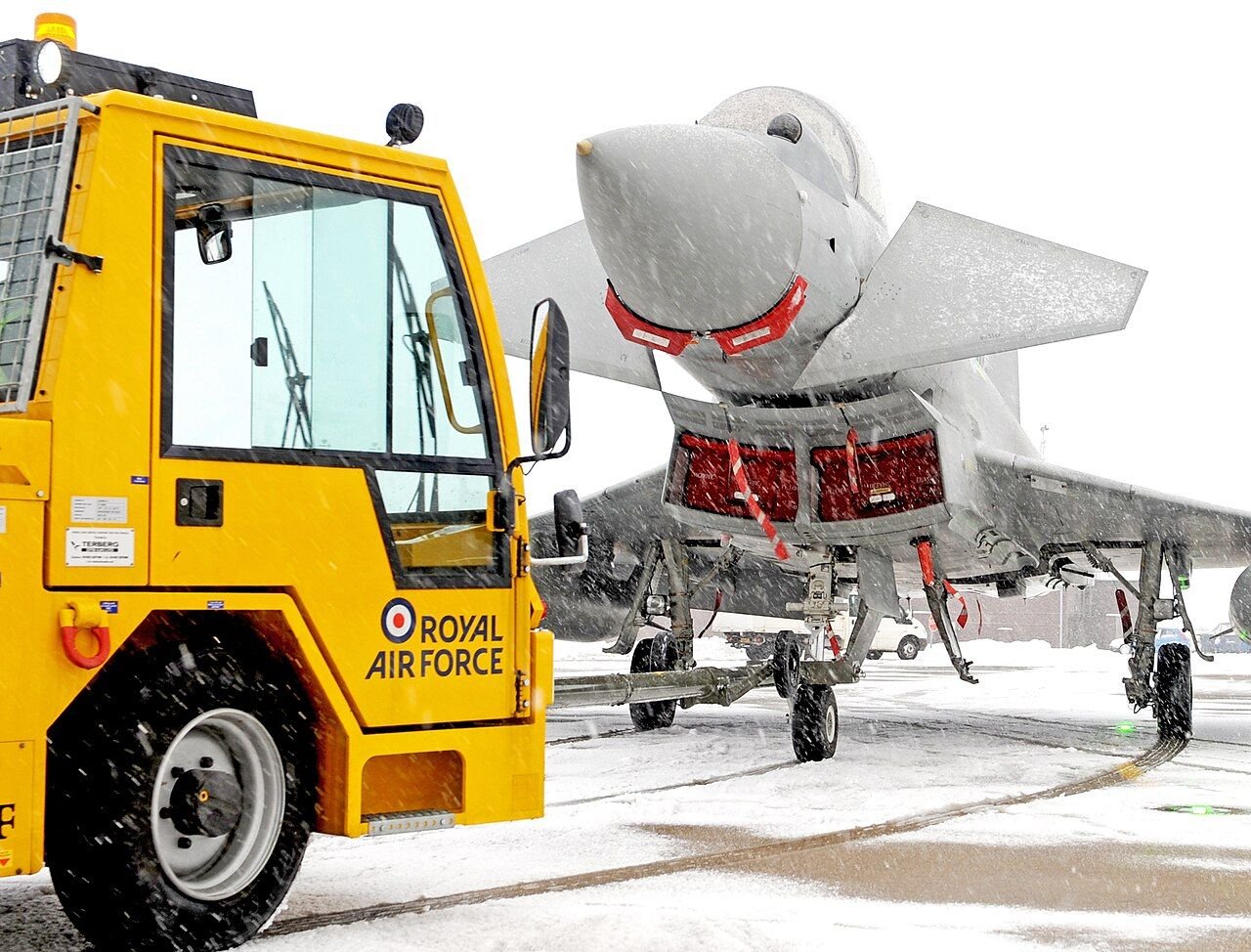
LONDON — Britain's Royal Air Force is moving aircraft into hangars and hardened shelters at night to protect them from possible drone attacks, British media reported, as unexplained drone activity around the country's military bases continues.
RAF personnel across the country have been instructed to move aircraft under cover after dark, The Times reported, with troops also tasked with rigging Kevlar anti-drone nets — the kind widely used in Ukraine — over jets that must remain parked in the open. Sky News also reported the measures.
The precautions follow a string of incidents at bases used by the U.S. Air Force in eastern England. On November 13, security forces at RAF Lakenheath in Suffolk responded to reports of suspected unauthorized drone activity, and the base and RAF Mildenhall were raised to Force Protection Condition Charlie, the second-highest alert level. Last month, President Donald Trump said a threat linked to Iran had prompted the removal of American B-1 bombers from another British airbase, RAF Fairford, after an incident in September.
Air Chief Marshal Sir Harv Smyth, the RAF's chief of staff, said the air force needed to practise dispersing aircraft across the country so that multiple jets could not be taken out in a single blow, telling an audience that "there is no sanctuary at home." The RAF has already dispersed aircraft in recent months while a new runway was built at RAF Brize Norton, moving planes from Prestwick in Scotland to Boscombe Down in Wiltshire.
The Ministry of Defence did not specifically confirm the reported measures but said it takes the security of its bases, equipment and personnel very seriously and adapts to counter potential threats. The government has committed an additional 470 million pounds, about $615 million, over four years to strengthen security at military sites, including physical protection, surveillance and counter-drone capability, and 15 million pounds has already gone into drone and counter-drone technology. Restricted airspace now covers 44 critical defence sites.
Ministry of Defence figures released under a freedom of information request recorded 340 drone-related security incidents at or near UK defence sites in the year to August 2026, up from 250 in 2025 and 126 in 2024.
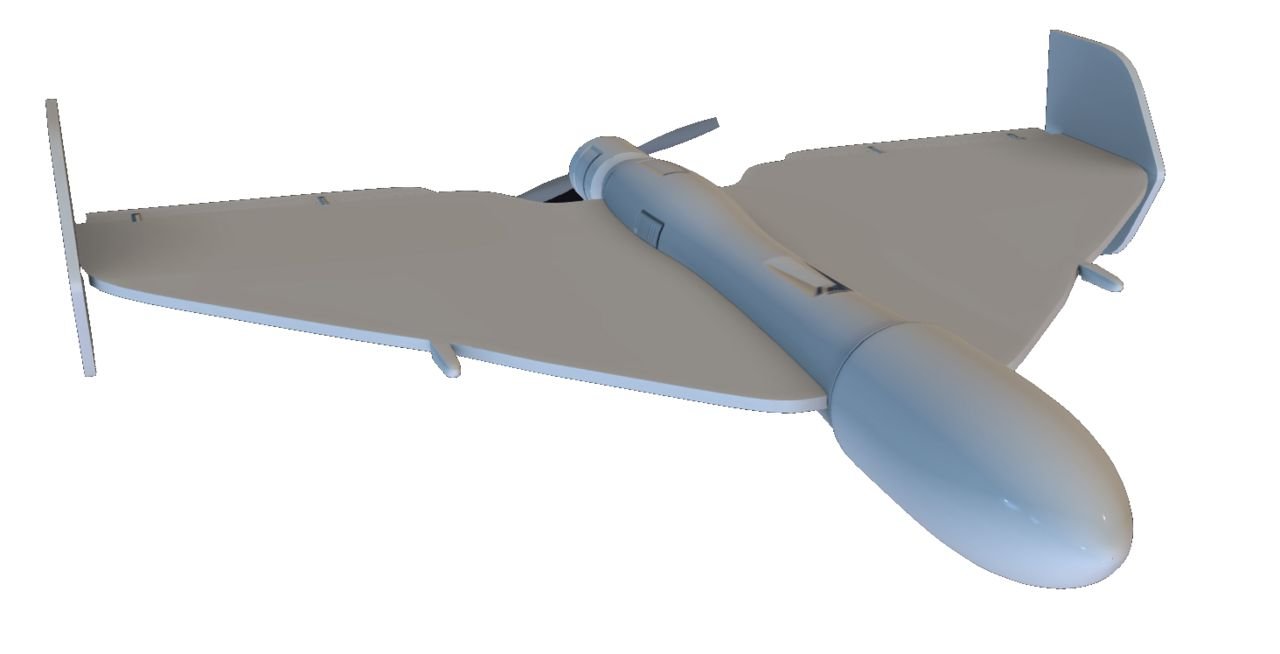
Experts cautioned that hangar space is limited. Retired Air Marshal Greg Bagwell noted the RAF's smaller fighters have always been put under cover at night, but larger aircraft are the harder problem because there is not enough hangar space for them. Justin Bronk, a senior researcher at the Royal United Services Institute, said the main fighter bases at Coningsby, Marham and Lossiemouth still hold usable Cold War-era hardened shelters — though only a hardened shelter stops a larger one-way attack drone.