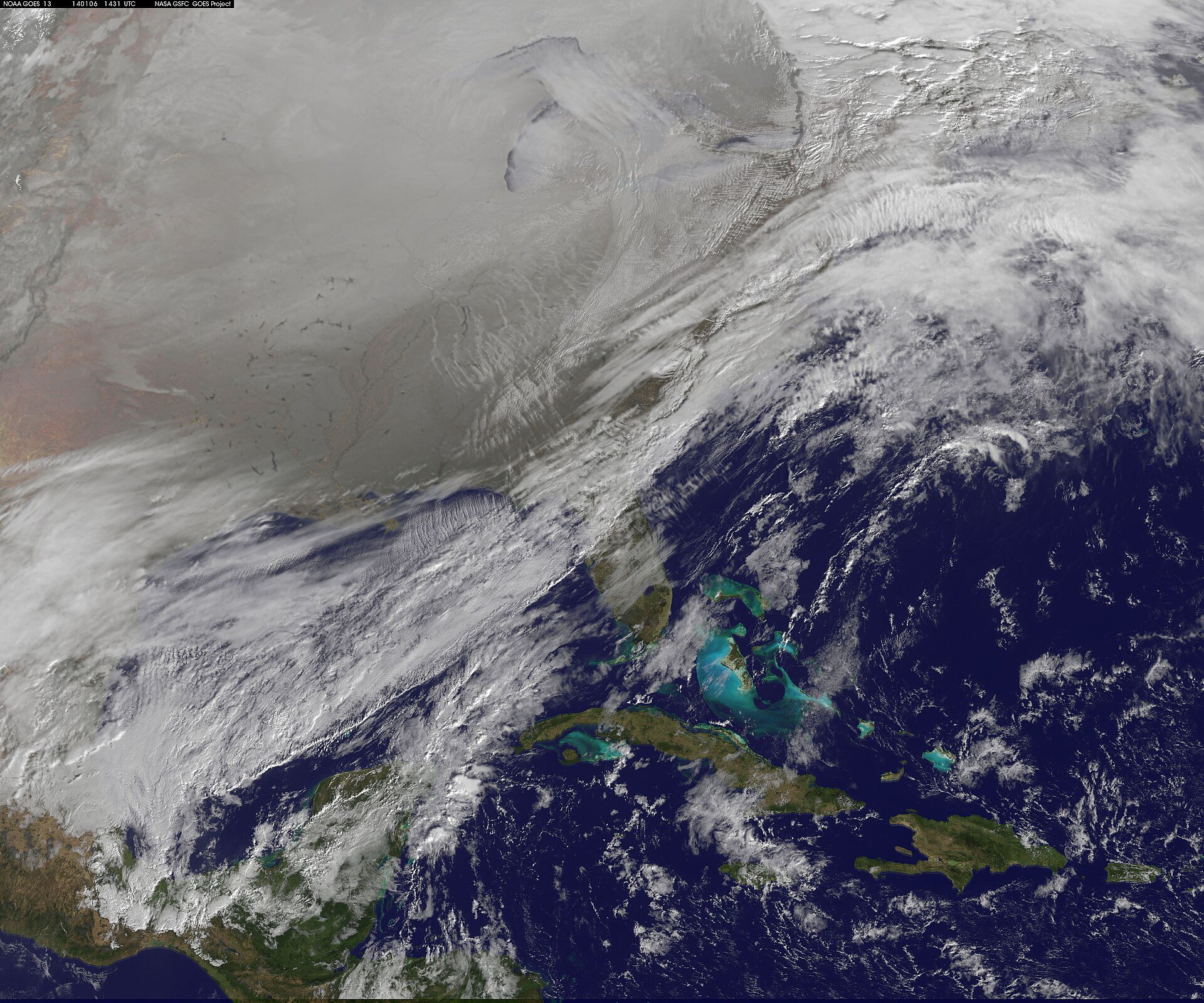
A major disruption of the polar vortex could develop as soon as Sunday, in what forecasters say may be the earliest such event on record — but Americans should not expect an Arctic blast to follow, at least not right away.
Forecast models indicate the powerful stratospheric winds circling the Arctic could weaken sharply or even reverse direction this weekend, according to the FOX Forecast Center. A reversal of that kind, known as a sudden stratospheric warming, can disturb the circulation of cold air around the North Pole and, weeks later, send some of it southward.
The timing would be unusually early. The polar vortex normally strengthens through the autumn ahead of winter, and a major disruption in early November would come roughly a month earlier than previously observed, according to WFLA-TV chief meteorologist Jeff Berardelli.
But forecasters stress that a disrupted vortex does not guarantee widespread or prolonged cold in the United States. The FOX Forecast Center said the polar vortex remains very weak for now, and models continue to show no major cold air outbreaks in the near term. Any potential influence on North American weather would more likely arrive in late November or December, if it arrives at all.
The reason is a strengthening El Niño, which is expected to dominate the pattern. The Climate Prediction Center's long-range outlook favors above-average temperatures across much of the northern United States — including the Pacific Northwest, Northern Plains, Upper Midwest, Great Lakes and Northeast — through December, with a stronger Pacific jet stream carrying mild air across the country.
For now, the coldest air associated with the developing pattern is pooling over Eastern Europe and Siberia, while North America remains much warmer than average. Brief cold spells remain possible in the Midwest and Northeast, but forecasters say the overall pattern points toward a milder-than-average November.
The polar vortex is a band of strong winds that circles the North Pole at roughly 55 degrees north latitude, about 10 to 30 miles above the Earth. When it weakens or splits, the jet stream can bend, allowing cold air to spill south — but changes high in the stratosphere take weeks to reach the surface, and they do not always do so.