A steering failure aboard a cargo tanker sent the vessel veering across the Mississippi River and into a docked riverboat in New Orleans on Friday, federal investigators said on Sunday, in a collision that injured dozens of people but left no one dead.
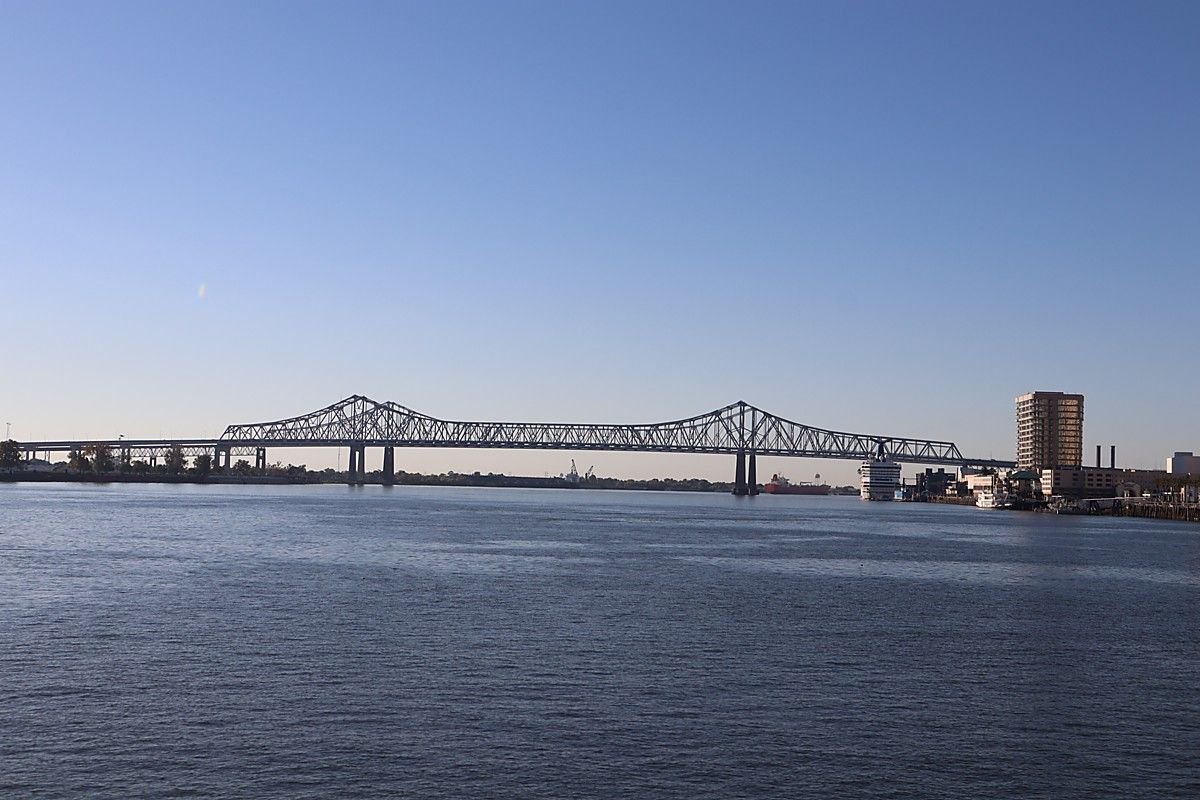
The National Transportation Safety Board said its early findings point to what investigators call a steering casualty on the Atlantic Asphalt, the tanker involved. According to the board, the tanker was travelling upriver near the Crescent City Connection Bridge at about 12:26 p.m. local time on Friday when the problem left its rudder stuck in a starboard position, pushing the ship toward the river’s east bank. About two minutes later, at about 12:28 p.m., it struck the American Heritage, a paddlewheel riverboat operated by American Cruise Lines that was docked after an eight-day trip through Louisiana and Mississippi. The riverboat capsized in about 22 minutes.
The collision left 32 people from the American Heritage in hospital with non-critical injuries, and no one was unaccounted for. The NTSB counted 140 passengers and 50 crew aboard the riverboat. The tanker, a Marshall Islands-flagged asphalt carrier of about 520 feet, had left an anchorage downriver around 11 a.m. bound for an oil terminal upstream in Reserve, Louisiana, carrying 19 crew members and a local pilot.
Investigator-in-charge Bart Barnum said the exact fault had not yet been identified, and officials said they were examining every possible cause, from the steering gear itself to the systems that control it. Investigators downloaded more than nine hours of data from the tanker’s voyage data recorder, recovered on Saturday, including bridge audio, rudder angle, engine performance, speed and course. The recorder also held audio consistent with the ship’s warning system, orders to deploy anchors and emergency ship-handling commands before the impact.
A preliminary NTSB report is expected within about 30 days, with a final report setting out the probable cause and any safety recommendations expected in 18 to 24 months. Separately, the Port of New Orleans has sued, alleging negligence and at least $1 million in terminal damage, and seeking seizure and sale of the tanker.