Russian investigative newspaper Novaya Gazeta has ended operations in Moscow, closing its newsroom after 33 years of reporting on corruption, state violence and human rights. The newspaper held its last editorial meeting on Monday and began vacating its historic headquarters on Potapovsky Lane in central Moscow, where it had worked for around 30 years.
The paper announced on October 30 that it would shut down, saying the Russian authorities and security services had made it impossible to continue. "They killed us," the editorial team warned, blaming the FSB, the successor to the Soviet-era KGB. In September, Russia's Justice Ministry designated the newspaper a "foreign agent" — a label used to stifle dissent — and listed more than 100 people connected to it as affiliated individuals. Banks then stopped processing the reader donations on which the outlet relied for financial survival.
The pressure had been building for months. On April 9, police conducted a 13-hour search of the newsroom, seizing computers and evidence; journalist Oleg Roldugin was arrested and placed under house arrest. On October 15, editor-in-chief Sergei Sokolov's home was raided, and the newsroom received an eviction notice demanding it leave its headquarters within a month — the same day its donation system was disabled.
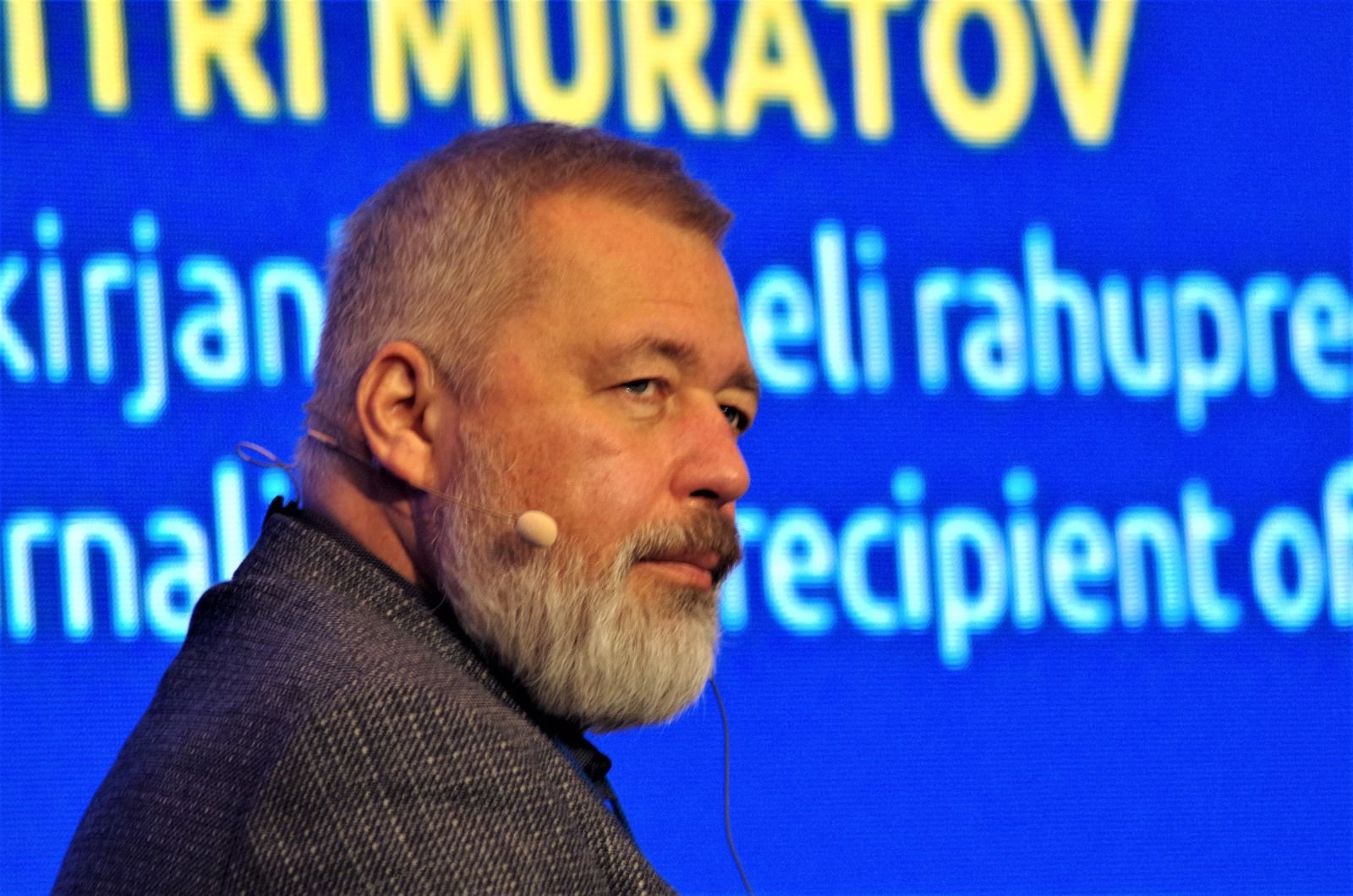
Founded in 1993 with money from former Soviet leader Mikhail Gorbachev's 1990 Nobel Peace Prize, Novaya Gazeta was one of the few remaining outlets that openly criticised Russia's war on Ukraine and the Kremlin's policies. Its newsroom walls displayed portraits of the six journalists murdered under Vladimir Putin's rule, including investigative reporter Anna Politkovskaya. Co-founder Dmitry Muratov, who won the Nobel Peace Prize in 2021 for defending press freedom, addressed journalists who gathered to witness the closure. Muratov himself was designated a "foreign agent" in 2023 and stepped down as editor, hoping to protect the newspaper.
The Kremlin played down the closure, with spokesman Dmitry Peskov saying it was part of "a normal cycle of change." Amnesty International called the closure "a devastating loss for everyone in Russia who turns to independent, investigative journalism to uncover the truth," noting that the paper's website had been blocked and its official registration cancelled. More than 30 journalists from various media outlets are currently in prison in Russia, according to Le Monde.
Novaya Gazeta Europe, an autonomous outlet founded by exiled journalists, will continue to operate from outside Russia. In Moscow, the paper's departure marks the end of an era: after five years of war in Ukraine and unrelenting pressure from the authorities, Russia's best-known independent newspaper has, in its own words, ceased to exist.