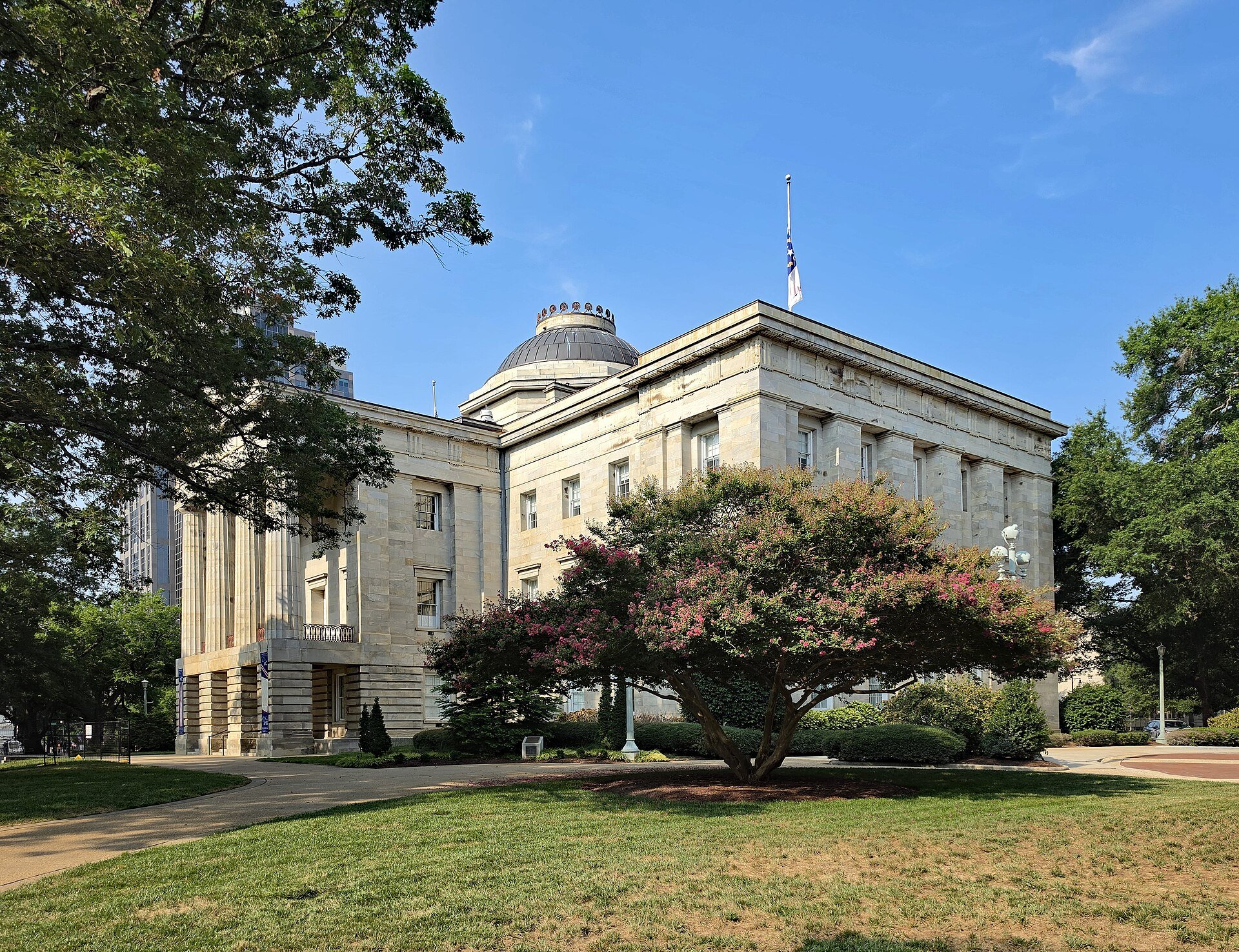
North Carolina's congressional delegation is on the verge of a complete reversal. The Associated Press called five of the state's House races for Democrats on Thursday, four of them seats that had been held by Republicans, and by the end of the day the news agency had called nine of North Carolina's 14 House seats for Democrats and none for Republicans. The state went into Tuesday's election with 10 Republicans and four Democrats in its House delegation.
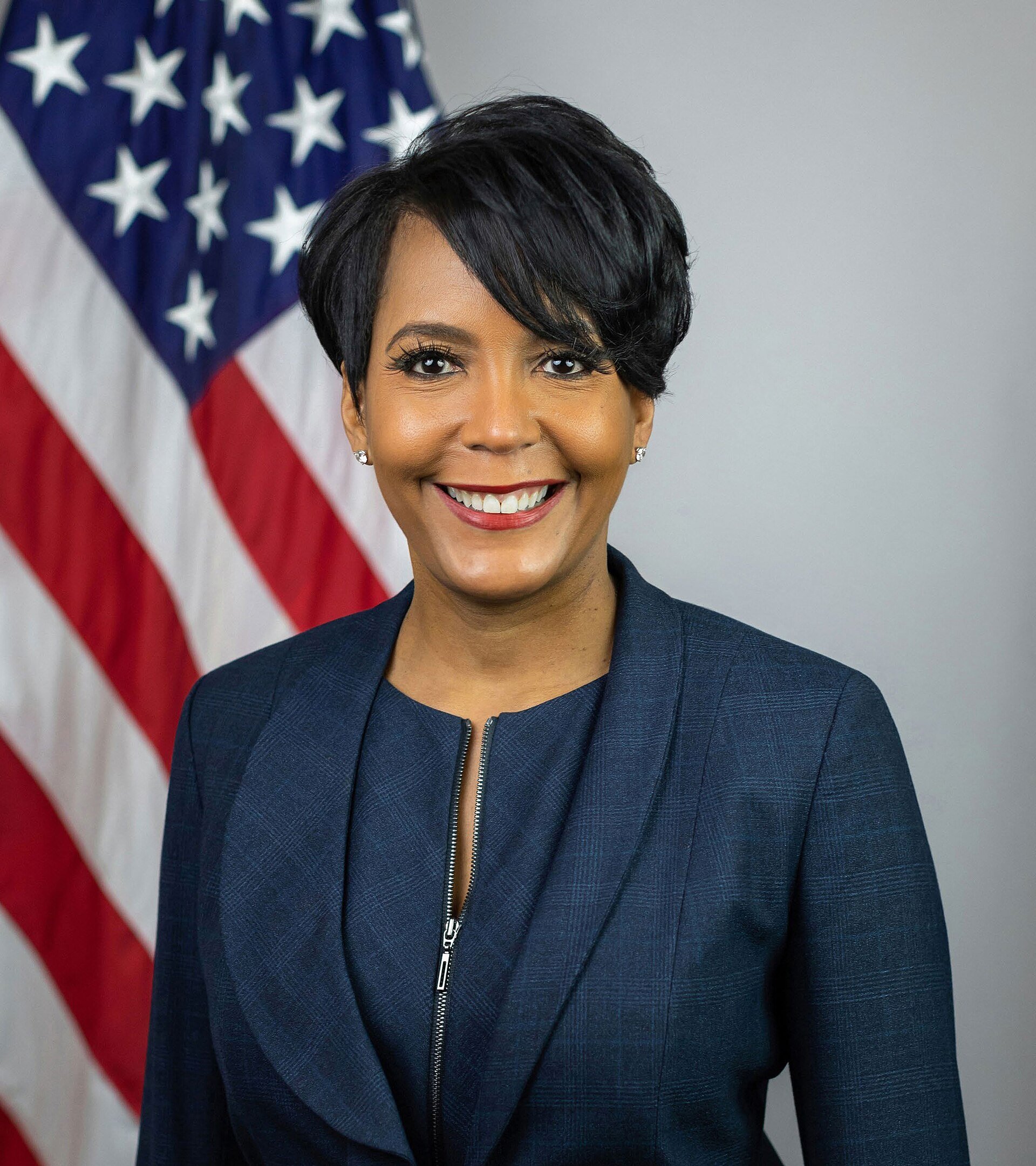
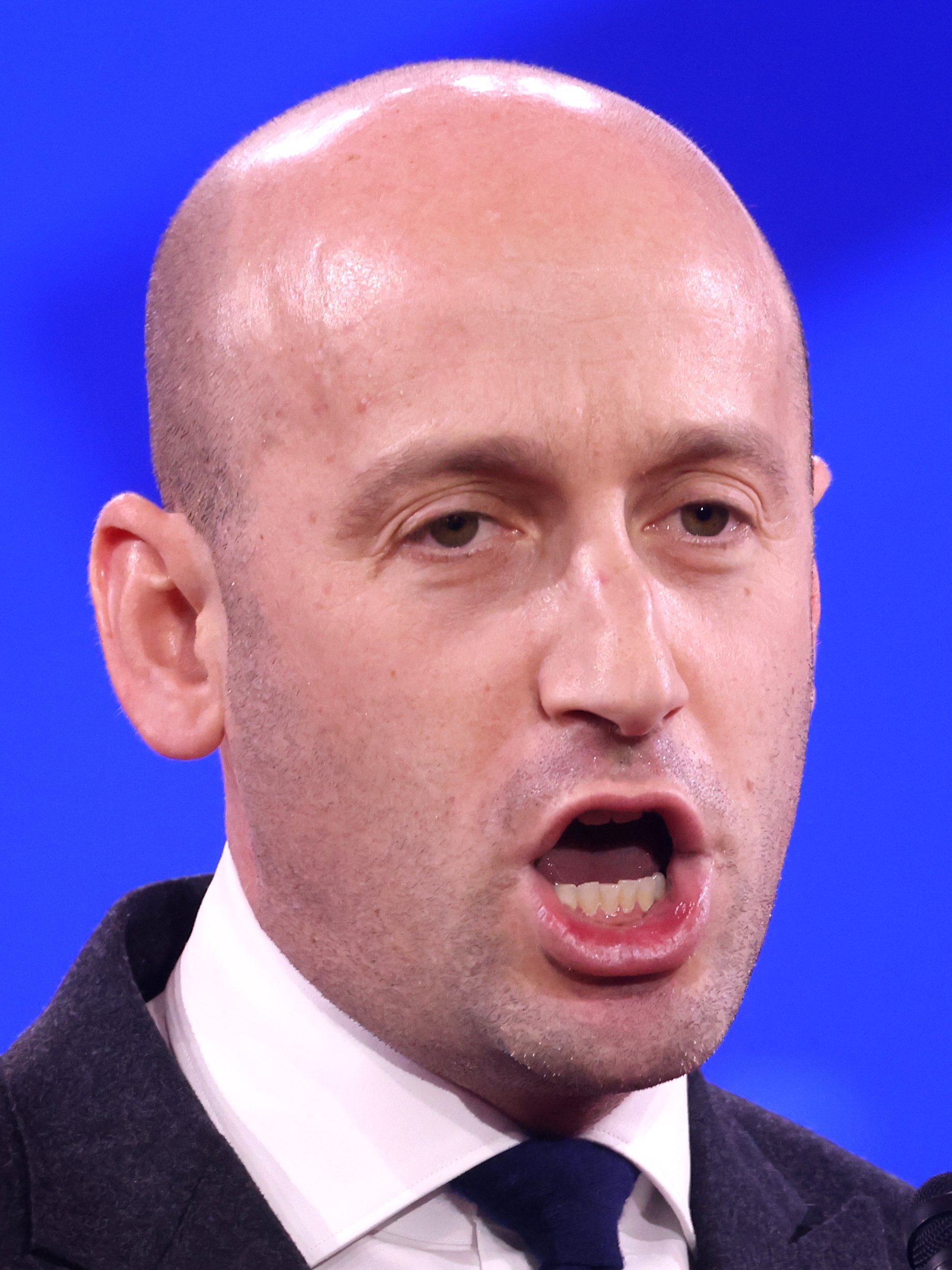
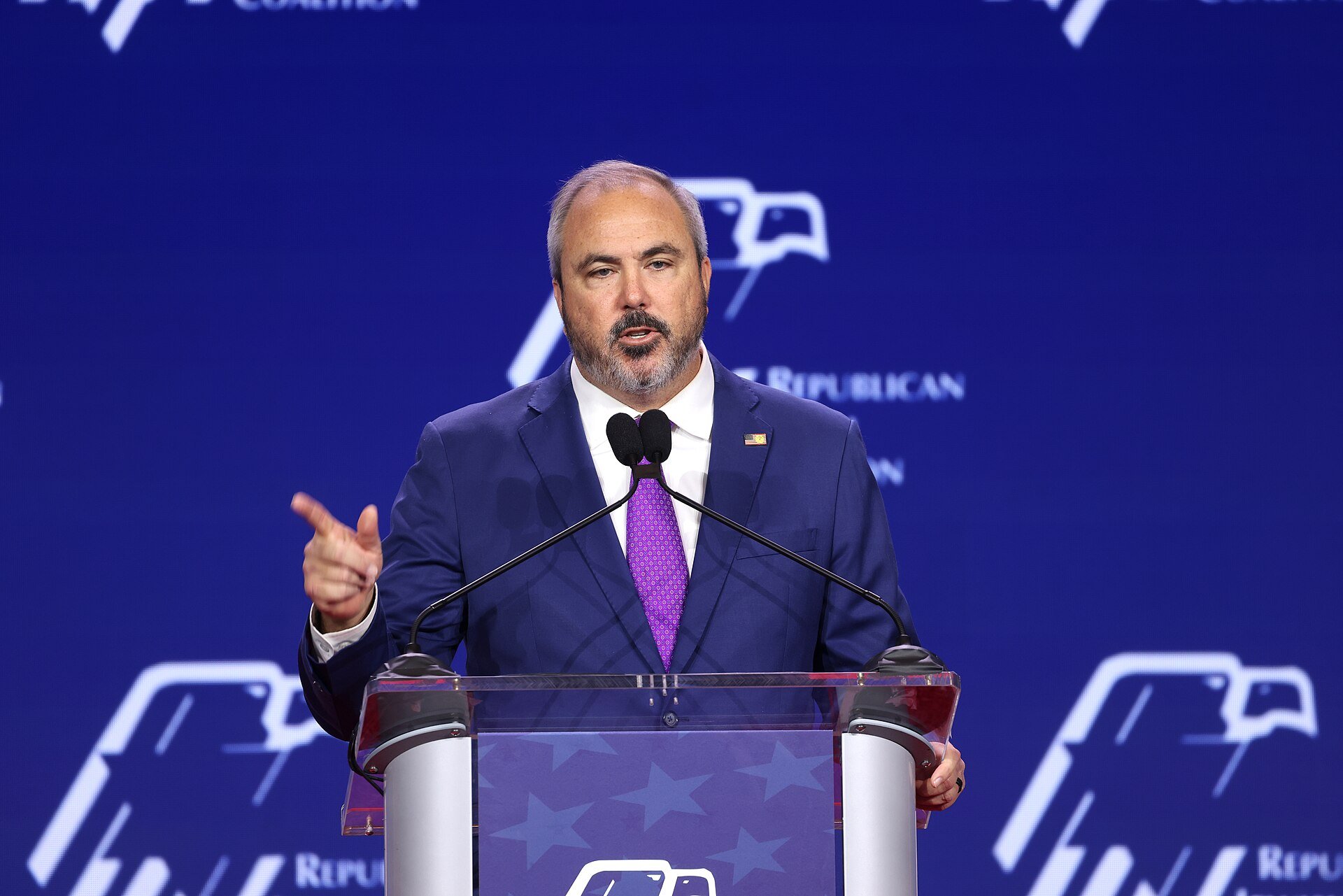
The four seats that changed hands were spread across the state. In the Sixth District, which covers the Triad area, High Point Mayor Cyril Jefferson defeated first-term Representative Addison McDowell. In the Ninth District, former West Virginia state senator Richard Ojeda beat Representative Richard Hudson, who chairs the National Republican Congressional Committee. In the Thirteenth District, which wraps around the Raleigh exurbs, Paul Barringer defeated first-term Representative Brad Knott. And in the Fourteenth District, LaKesha Womack defeated Representative Tim Moore, who previously served as speaker of the North Carolina House.
The scale of the change is striking because all four districts were drawn to favor Republicans. North Carolina's congressional map was redrawn in 2023 in a way that significantly favored Republican candidates, and the four districts performed that way in the 2024 election. The Sixth District was the least competitive of the four that year, with McDowell winning by more than 38 percent, while the Fourteenth was the closest, with Moore winning by about 16 percent. Two years later, both incumbents lost.
The defeat of Hudson carries particular weight inside the Republican Party. As chairman of the National Republican Congressional Committee, he was the House Republicans' chief campaign strategist, and his loss leaves the party looking for a new person to run its House campaign arm.
The Democratic gains were not limited to the four flipped seats. The Associated Press also called the First Congressional District in the northeastern part of the state for the incumbent Democrat, Representative Don Davis, on Thursday. That district had been redrawn in an effort to make it easier for Republican candidates to win there, with Republican-leaning counties pulled in from the Third Congressional District. Davis won anyway, leading his Republican challenger Laurie Buckhout by more than 10,000 votes, a larger margin than he managed in 2024.
Five of the state's 14 House races remained uncalled, and two of them are close enough that they may end in recounts. In the Third Congressional District, the incumbent Republican Greg Murphy was leading the Democrat Raymond Smith by just 233 votes. In the Fifth Congressional District, the Democratic challenger Chuck Hubbard was leading the 11-term Republican incumbent Virginia Foxx by 99 votes. The House results came alongside a Democratic win at the top of the North Carolina ticket: former Governor Roy Cooper, a Democrat, won the race for the state's open United States Senate seat by nearly 20 percent. If the results in the remaining races hold as they stand, North Carolina's House delegation will be the exact opposite of the one that went into the election: 10 Democrats and four Republicans, where it had been 10 Republicans and four Democrats — the first Democratic majority in the delegation since 2013.