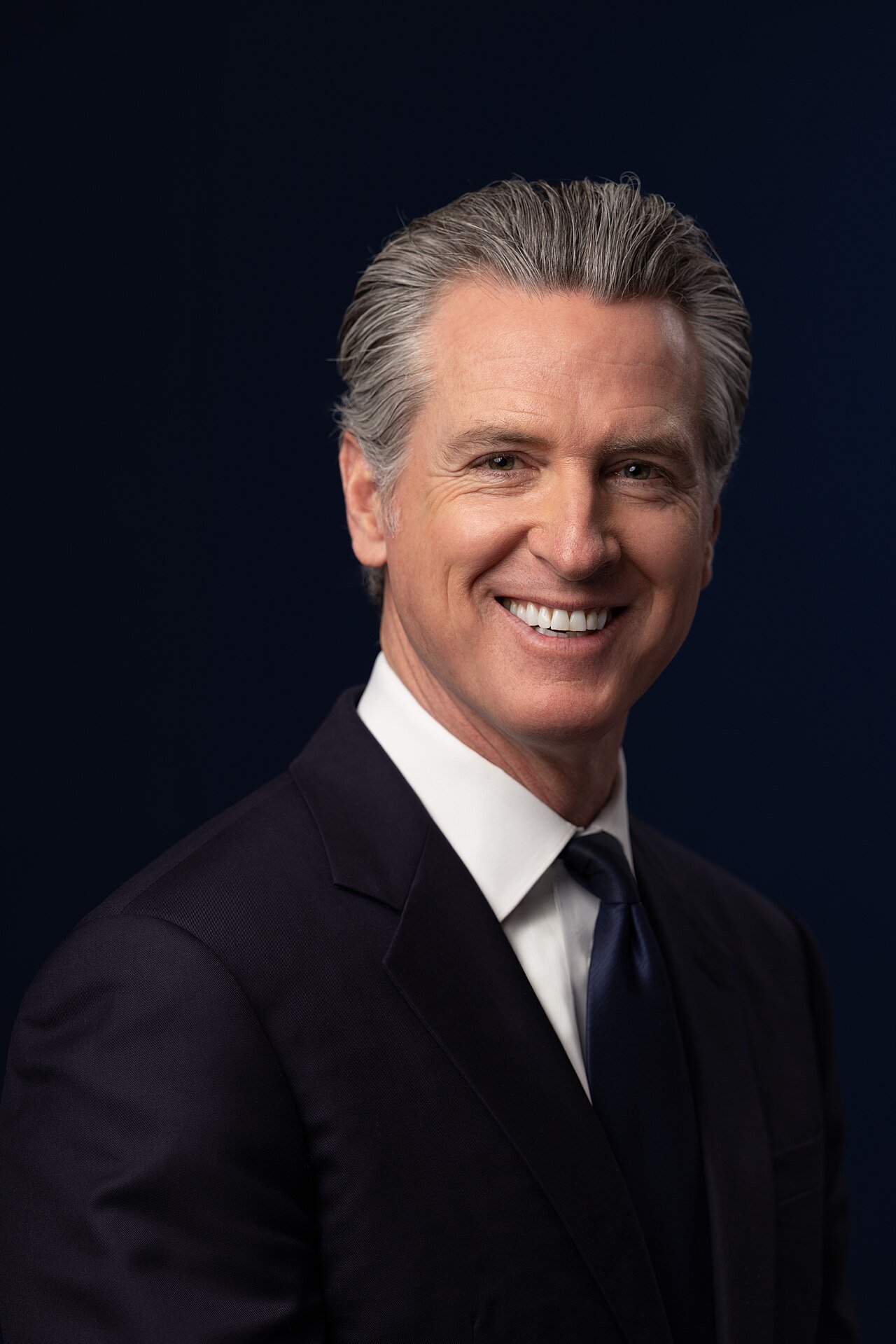
California Gov. Gavin Newsom announced Thursday that he will commute the death sentences of all 548 people on the state's death row, converting them to life in prison without the possibility of parole in the largest mass commutation of death sentences in American history.
Newsom announced the decision in a three-page open letter addressed to "all Californians." "I take this action because I firmly believe that state-sanctioned killing is incompatible with California's values, undermines the foundations of our legal system and diminishes each of us," he wrote. "We can now let these offenders die in obscurity while we forever remember and honour the victims," he added.
California holds the largest death row in the Western Hemisphere, and its 548 condemned prisoners — 529 men and 19 women — make up more than a quarter of the nation's death row. The Death Penalty Information Center called the move the largest mass commutation in U.S. history.
Not every commutation takes effect at once. Under the California Constitution, clemency for prisoners convicted of more than one felony requires the approval of the state Supreme Court, and about 382 of the 548 cases — roughly two-thirds — fall in that category. At least four of the court's seven justices must sign off. About one-third of the sentences can be commuted on the governor's authority alone, after a 10-day notice period to victims' families and district attorneys.
The decision is largely symbolic in practical terms: California has not executed anyone since January 17, 2006, and only 13 people have been executed since voters reinstated the death penalty in 1978. Newsom imposed a moratorium on executions in March 2019, shortly after taking office. But the sentences themselves had remained in place until now.
The commutations do not abolish the death penalty in California. Voters chose to keep it in 2012 and again in 2016, and prosecutors can still seek death sentences in new cases. The prisoners whose sentences are commuted include Charles Ng, convicted of 11 murders committed with Leonard Lake in one of the state's most notorious serial murder cases. The American Civil Liberties Union, which has challenged the state's death penalty as racially discriminatory, applauded the announcement.
Newsom, a Democrat who is expected to seek his party's presidential nomination in 2028, is winding down his second and final term as governor. He leaves office on January 4, when fellow Democrat Xavier Becerra — the winner of Tuesday's midterm election — takes over. The sweeping clemency is among the final major acts of his eight years in office, and it is certain to feature in the national debate over capital punishment as the 2028 race takes shape.