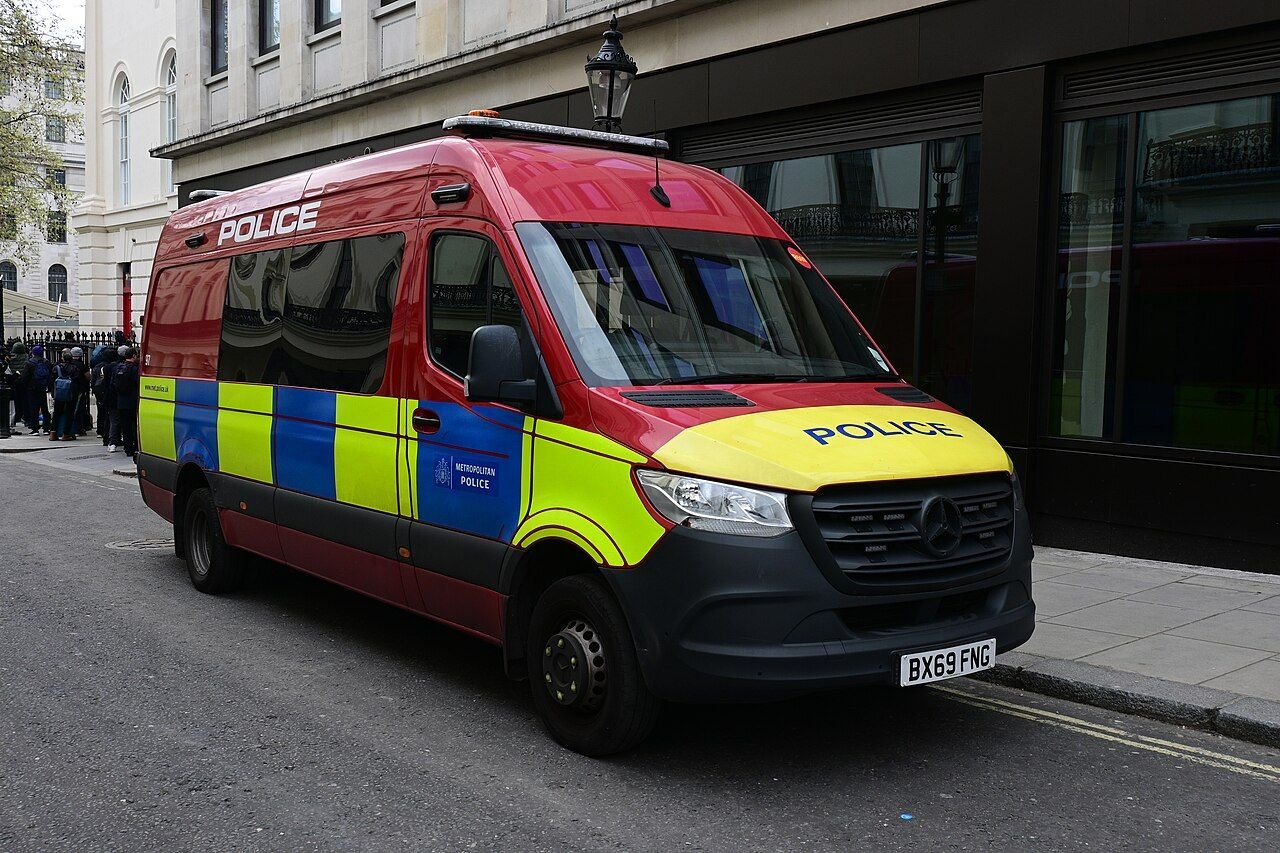
Britain's biggest police force remains institutionally racist, misogynistic and homophobic three years after a scathing review into its culture following the murder of Sarah Everard, a new report has found.
The Fairfield Review, published on Wednesday, was commissioned to assess the Metropolitan Police's progress since Baroness Louise Casey's damning 2023 report, which was ordered after serving Met officer Wayne Couzens abducted, raped and murdered Everard, 33, in March 2021. "The Casey Review found the Met was institutionally racist, misogynistic and homophobic," the 389-page report by Dr Gillian Fairfield said. "Our role has been to assess the Met's progress in addressing this; we judge these fundamental, systemic issues remain."
While the force had made some progress dealing with racism, the review said: "The Met still struggles to acknowledge racism as a structural problem rather than something people can be trained out of." It added that difficult subjects were "too often managed as a reputational threat rather than an opportunity for learning." The review team, which spent 11 months gathering evidence, said it had seen "some of the best policing and some of the worst," and warned that further scandals were "highly likely" until the Met fully addressed its culture.
The report found that trust among the LGBTQ community, damaged by catastrophic failings in the case of serial killer Stephen Port, has not improved, and that many women in the workforce and members of the public are not confident that change is substantive. One officer told the review team: "There's real predatory behaviour towards younger women and new recruits. They need to understand they are prey." The Met chose not to implement specific recommendations about its Parliamentary and Diplomatic Protection Command, where both Couzens and serial rapist David Carrick served, instead bringing in its own changes, which the review found were "yet to be fully embedded and achieve the desired impact."
The Metropolitan Police accepted the review's recommendations, with Commissioner Sir Mark Rowley saying the force recognised the "scale and pace of change" since Casey's report. "Standards are higher, performance is stronger, violence is down, criminal justice outcomes for victims of sexual violence are among the highest nationally, and London is safer," he said, adding that 1,800 officers and staff have been removed from the force in the "largest integrity overhaul in British policing history." He accepted that "eliminating discrimination in all we do starts with listening and requires sustained commitment and structural change."
The review was commissioned by London Mayor Sadiq Khan, who called on Rowley to "reset his relationship with those of us tasked with holding the Met to account, and to provide Londoners with the police service they deserve." The report also found that, while the homicide rate in the capital is historically low, "bereaved families shared with us serious and worrying criticisms and concerns about Met homicide and death investigations." Fairfield made 10 strategic recommendations, including urging the force to be "braver" about racism and to renew policing by consent.