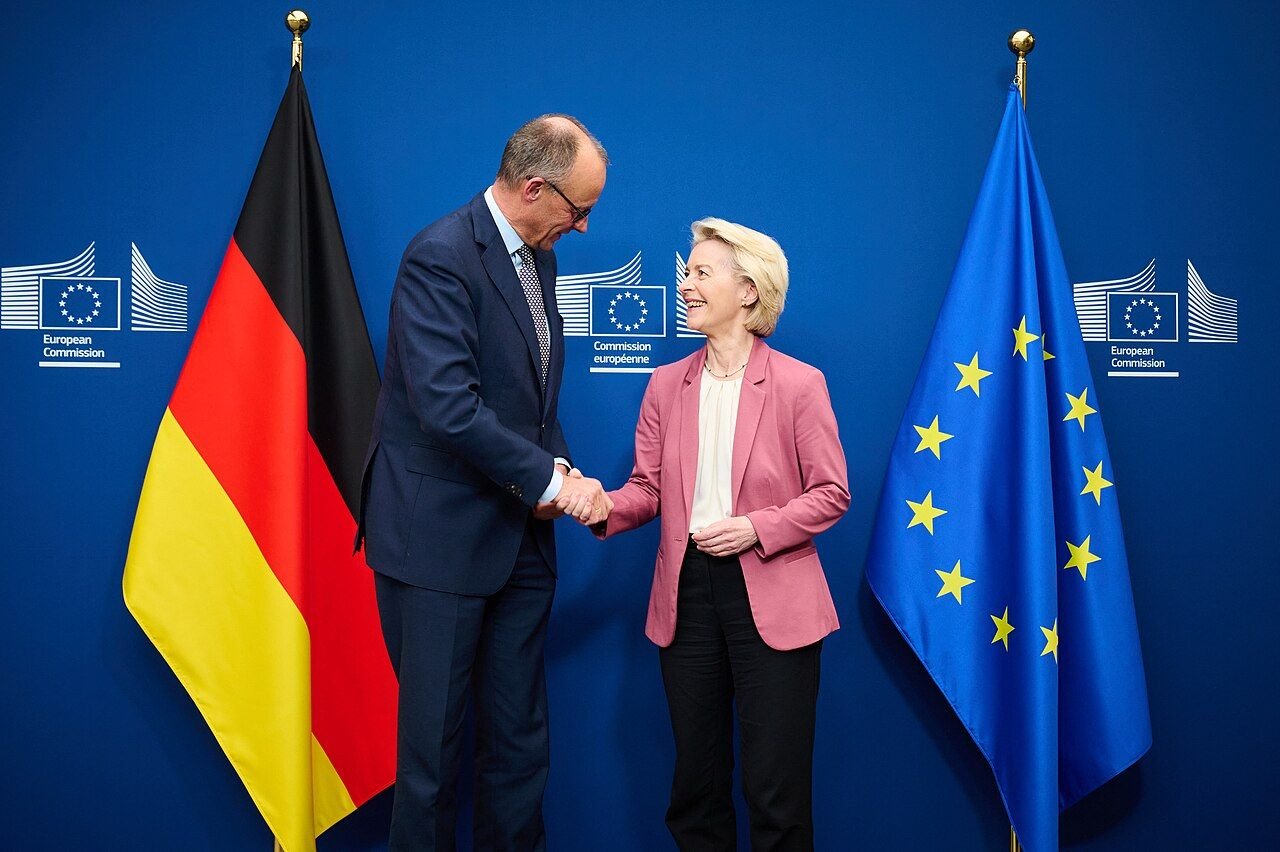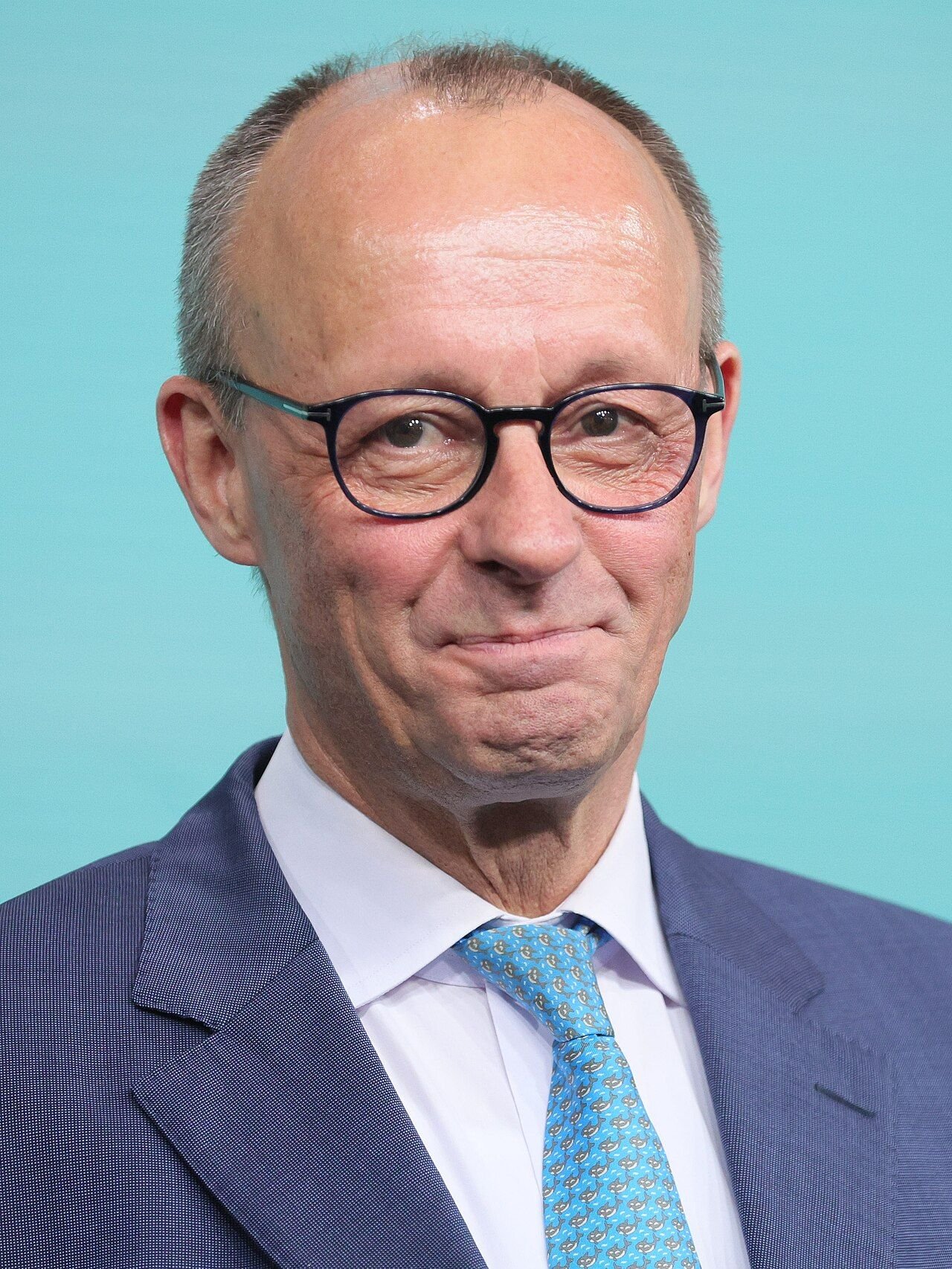
German Chancellor Friedrich Merz accused Russia on Wednesday of "escalating" threats to European security from the Baltic to the Black Sea and in space, telling the Bundestag that Europe must show Moscow its limits as Germany sharply raises defence spending and maintains aid for Ukraine.
"It cannot be said often enough, against the far right as much as the far left: Russia knows exactly what it wants. And Russia wants more than Ukraine," Merz told the lower house of parliament during the final debate on the 2027 draft budget.
"Russia is escalating in the Baltic region, in Poland, on the Black Sea; Russia is escalating in space, and Russia is by now also escalating massively here in our own country," he said — referring to recent reports that Moscow is developing a nuclear anti-satellite weapon and to an explosive-laden drone discovered in August at Leipzig Airport, an incident Berlin attributed to Russia.
"That is the situation, ladies and gentlemen. And that is why we must — and why we will — as Europeans, show Russia its limits, in every sense of the word," Merz said.
Merz was defending a steep rise in defence spending. The 2027 budget foresees total defence spending of €139.4 billion ($152.6 billion), up €31.2 billion from the €108.2 billion allocated in 2026. Germany aims to double defence spending to more than €200 billion by 2030, reaching 3.7 percent of national output, in line with its NATO commitments.
His remarks were aimed at the far-right Alternative for Germany and the Left party, both critics of military aid for Kyiv. A poll published on Monday showed a narrow majority of Germans now oppose giving military aid to Ukraine. Merz said that by supporting Ukraine, Germany was also protecting itself: "We are learning from Ukraine — technologically for civilian use but of course also in defence technology."
Merz also addressed the latest proposal for the European Union's 2028-2034 budget, presented by European Council chief Antonio Costa. Costa proposed cuts that would reduce the seven-year budget to €1.582 trillion, about €40 billion less than a proposal presented by the Irish EU presidency in October. EU leaders will discuss the proposals at a special summit on Thursday and Friday. "In these negotiations I am pushing for spending to be limited and focused on what really makes Europe stronger: security and competitiveness," Merz said.
Russia did not immediately respond to a request for comment on Merz's accusations. Moscow has repeatedly denied seeking military confrontation with NATO countries and says its actions in Ukraine are aimed at protecting its own national security. Germany and other European countries have also been hit by a wave of cyberattacks and sabotage incidents targeting critical infrastructure that they have often blamed on Russia.