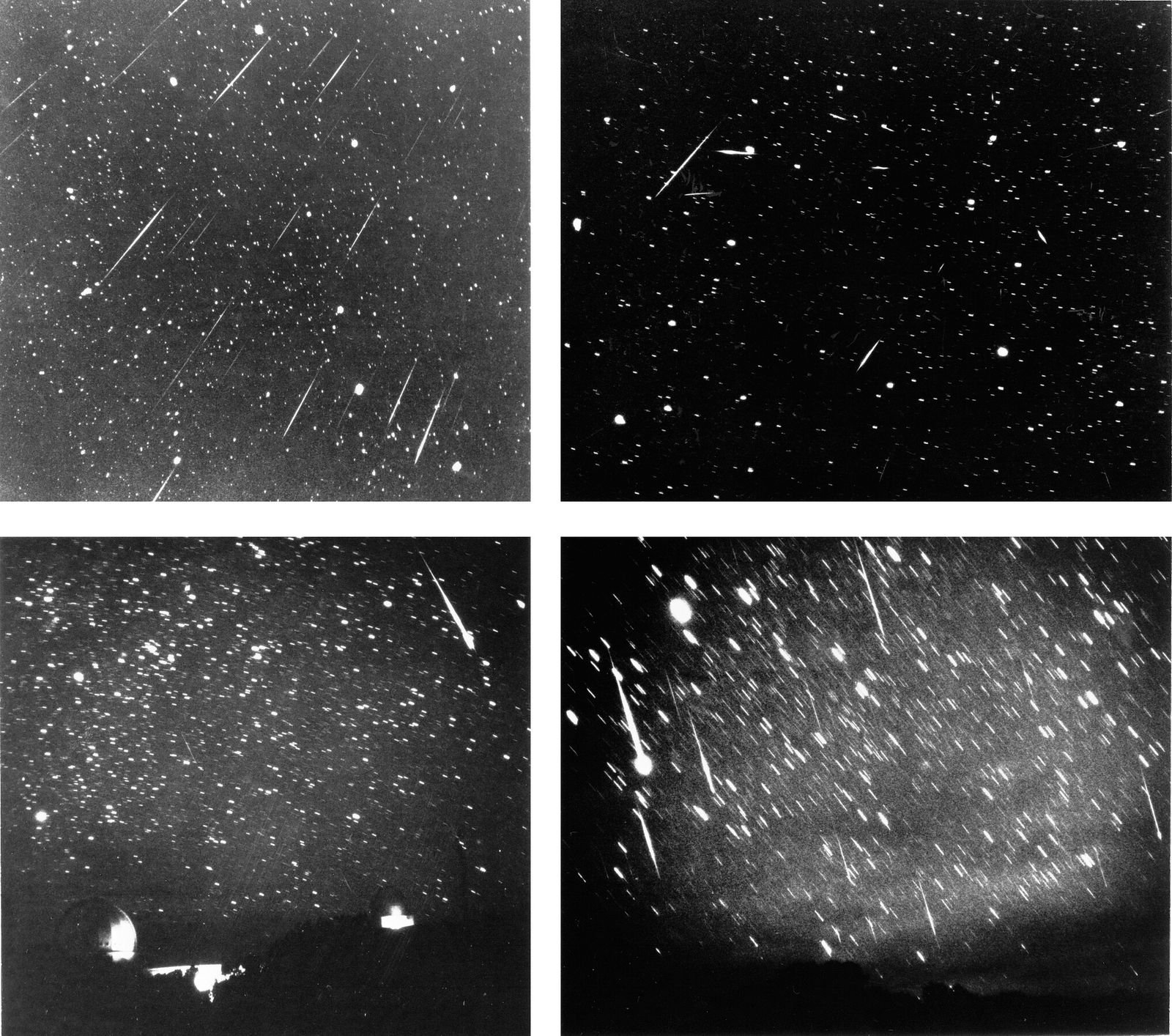
The annual Leonid meteor shower reaches its peak over the next two nights, giving skywatchers across the United States one of the best viewing windows of the year. Forecasters differ slightly on the exact moment — NASA lists the peak as the night of November 16 into the pre-dawn hours of November 17, while the International Meteor Organization puts the main peak at 11:45 p.m. UTC on November 17 — but all agree the best viewing comes after midnight, in the pre-dawn hours of November 17 and 18.
Under ideal dark-sky conditions, observers can expect around 10 to 15 meteors an hour, according to NASA and EarthSky, though most backyard viewers will see fewer. The moon reaches its first quarter phase on November 17 and sets around midnight, leaving dark skies for the best hours before dawn.
The Leonids appear to radiate from the constellation Leo the Lion. Look for the Sickle, the backward question-mark pattern of stars ending in the bright star Regulus. The meteors are dust shed by comet 55P/Tempel-Tuttle, striking the upper atmosphere at about 70 kilometres per second.
No meteor storm is expected this year. The Leonids are famous for storms of thousands of meteors an hour when Tempel-Tuttle swings through the inner solar system every 33 years; the last storm was in 2002, and the next is not expected until the 2030s.
No telescope is needed. Get away from city lights, let your eyes adapt to the dark for 20 to 30 minutes, lie back and look up. The best hours are roughly midnight until dawn local time, with the hours before dawn generally the most productive.
The shower runs from November 6 to November 30, so skywatchers who miss the peak still have several nights to catch a few meteors. A supermoon follows on November 24.