The U.S. government received and disbursed more than $12 billion in revenue from Venezuela's natural resource exports in the first nine months of this year, according to a confidential report by the global financial services firm KPMG that was reviewed by The New York Times.
The report, which KPMG compiled on behalf of the U.S. government, describes the activity of the "Venezuela Custody Account," set up by the Treasury Department to manage the flow of Venezuelan export revenues after U.S. forces toppled President Nicolas Maduro in January. The account was initially based in Qatar but was moved to Citibank in New York in late January.
The account received $12.26 billion in deposits between Jan. 3, the date of the U.S. military intervention, and the end of September, the report says. The vast majority of the money was distributed back to Venezuela soon after it was received, leaving a balance of about $170 million on Sept. 30, the report's cutoff date. The account also earned about $12 million in interest during the period.
The majority of the money sent back to Venezuela, $11.7 billion, was used to prop up the country's national currency, the bolivar, through foreign currency auctions held by Venezuela's commercial banks. That figure is in line with independent estimates: Sintesis Financiera, a financial consultancy based in Venezuela, estimates the Venezuelan government spent $12.3 billion on foreign currency auctions in the first nine months of 2026. U.S. officials also sent about $130 million from the account to pay the Venezuelan government's foreign bills, mostly debts to other governments and international organizations.
The report does not identify the ultimate beneficiaries of the currency auctions in Venezuela. Previous reporting by the Times indicates that a large share of the dollars ends up with a small group of Venezuelan agribusinesses and consumer corporations, while many smaller companies struggle to access the hard currency they need.
At its simplest, the report describes a process in which Venezuela's central bank requested funds from the U.S.-controlled account, and U.S. officials then disbursed money after ensuring the requests met financial integrity criteria. Each transaction has to be signed off by officials from the State Department and the Treasury.
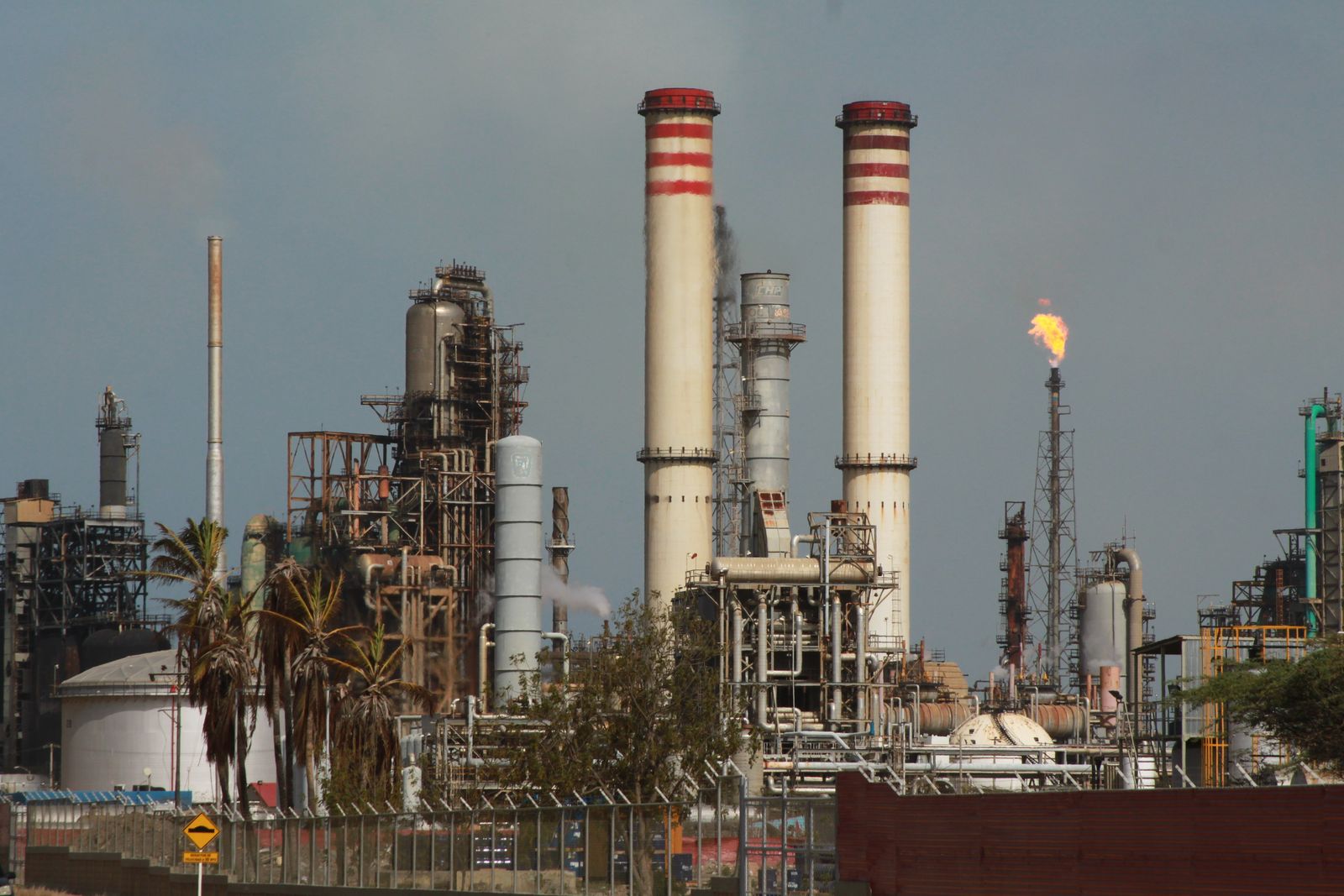
Most of the deposits in the account came from Trafigura and Vitol, two global commodity giants that acquired exclusive rights to sell Venezuelan oil after the U.S. attack. Together they accounted for 61 percent of the money deposited by the end of September. The sale of crude oil accounted for the vast majority of the deposits; the account also received much smaller deposits from minerals and fertilizer, including about $100 million deposited by Trafigura for the purchase of Venezuelan gold.
The report does not present the full picture of Venezuelan export revenues. Two of Venezuela's largest crude exporters, the U.S. oil giant Chevron and a local producer, NABEP, use different financial arrangements to sell at least some of the oil they pump, and much of Venezuela's gold continues to be exported to the Middle East through informal channels. Last month, NABEP began sending oil to the United States under a deal through which the company will give the U.S. government 35 percent of its shares and 20 percent of its production at below-market rates.
The report was written just days before the midterm elections. Democratic lawmakers have repeatedly vowed to bring more transparency and accountability to Washington's policy toward Venezuela, and they will acquire more oversight power in January after winning control of both chambers. The figures raise questions about President Donald Trump's repeated claim that the oil revenue covered the cost of the January military operation. The report is a confidential accounting of the custody account's activity rather than a full public audit. The Treasury, State Department, KPMG and Venezuela's government did not immediately respond to requests for comment.