A federal judge has blocked the Trump administration from taking further action against ABC's local television stations, ruling that the Federal Communications Commission's early review of the network's broadcast licenses was retaliation for programming the president dislikes.
U.S. District Judge Loren AliKhan issued a preliminary injunction on Wednesday, finding that Disney's ABC is likely to succeed on its First Amendment claim against the FCC. She also denied the administration's motion to dismiss the lawsuit Disney filed in August to challenge the review.
"This is not a close case," AliKhan wrote in her decision, concluding that Disney's lawyers had "sufficiently cast the early license renewal proceedings as a retaliatory act."
The FCC, chaired by Brendan Carr, a close ally of President Donald Trump, ordered eight ABC-owned stations to file early license-renewal paperwork in April, years before their licenses were due for renewal — a step the FCC virtually never takes. An early review can put a broadcaster at risk of losing its licenses.
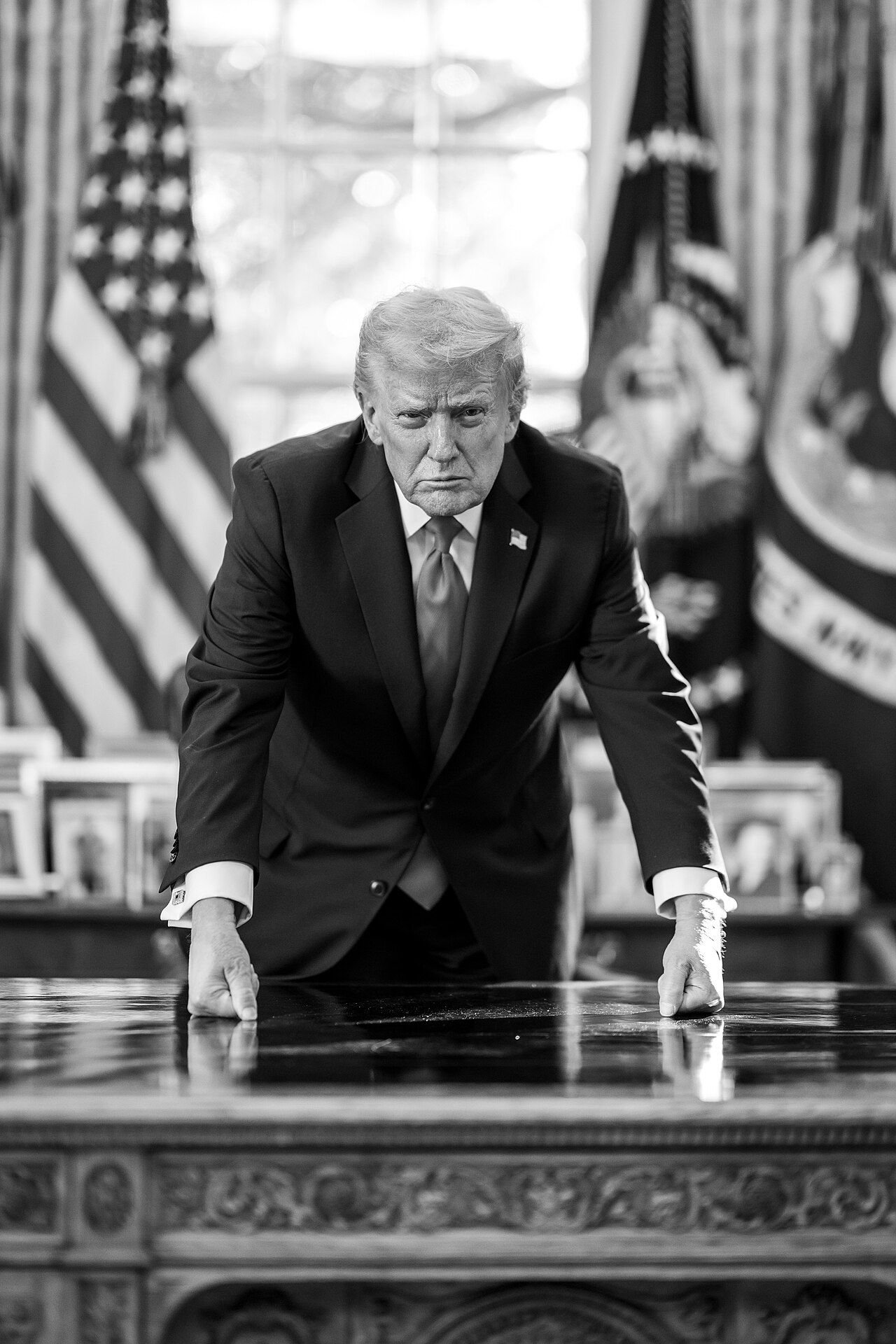
AliKhan wrote that Carr "has taken President Trump's rhetoric as his marching orders." She noted that Trump has called eleven times over the past two years for ABC to lose its broadcast licenses, most recently in July 2026, and that the FCC launched its early review on April 28 — the day after Trump criticized a skit by late-night host Jimmy Kimmel.
"It is no coincidence that President Trump criticized Mr. Kimmel's skit on social media and the very next day defendants initiated the early license renewal proceedings," the judge wrote.
Among the programming that drew the administration's ire were Kimmel's jokes about the president, critical remarks by hosts of the daytime chat show The View, and ABC's moderation of a presidential debate in September 2024. ABC also declined to broadcast Trump's July 2026 Oval Office address on its television network, though it streamed the address on its digital news service.
The FCC said the license review was related to an investigation into whether Disney's diversity, equity and inclusion initiatives violated the agency's prohibition on unlawful discrimination. AliKhan found that explanation was not "credible on the record before the court."
"Given the extreme, indeed existential, nature of the possible penalty plaintiffs face — loss of their broadcast licenses — the court concludes that early license renewal proceedings create a risk sufficient to chill a broadcaster of ordinary firmness," she wrote.
The injunction does not stop the FCC from continuing its investigations into Disney's employment practices or its separate inquiry into whether The View violated equal-time rules. AliKhan also declined ABC's request for a broader order barring the FCC from threatening the company over its editorial decisions, saying the network had not specified those future threats beyond the license proceedings.
"No one doubts that the commission may enforce the law in the manner it sees fit," AliKhan wrote. "But in doing so, defendants may not retaliate against or punish plaintiffs and other broadcast license holders for disfavored speech."
An FCC spokesperson said the decision granting Disney's motion was "wrong on the facts and wrong on the law" and that the commission "looks forward to prevailing in full on this matter."