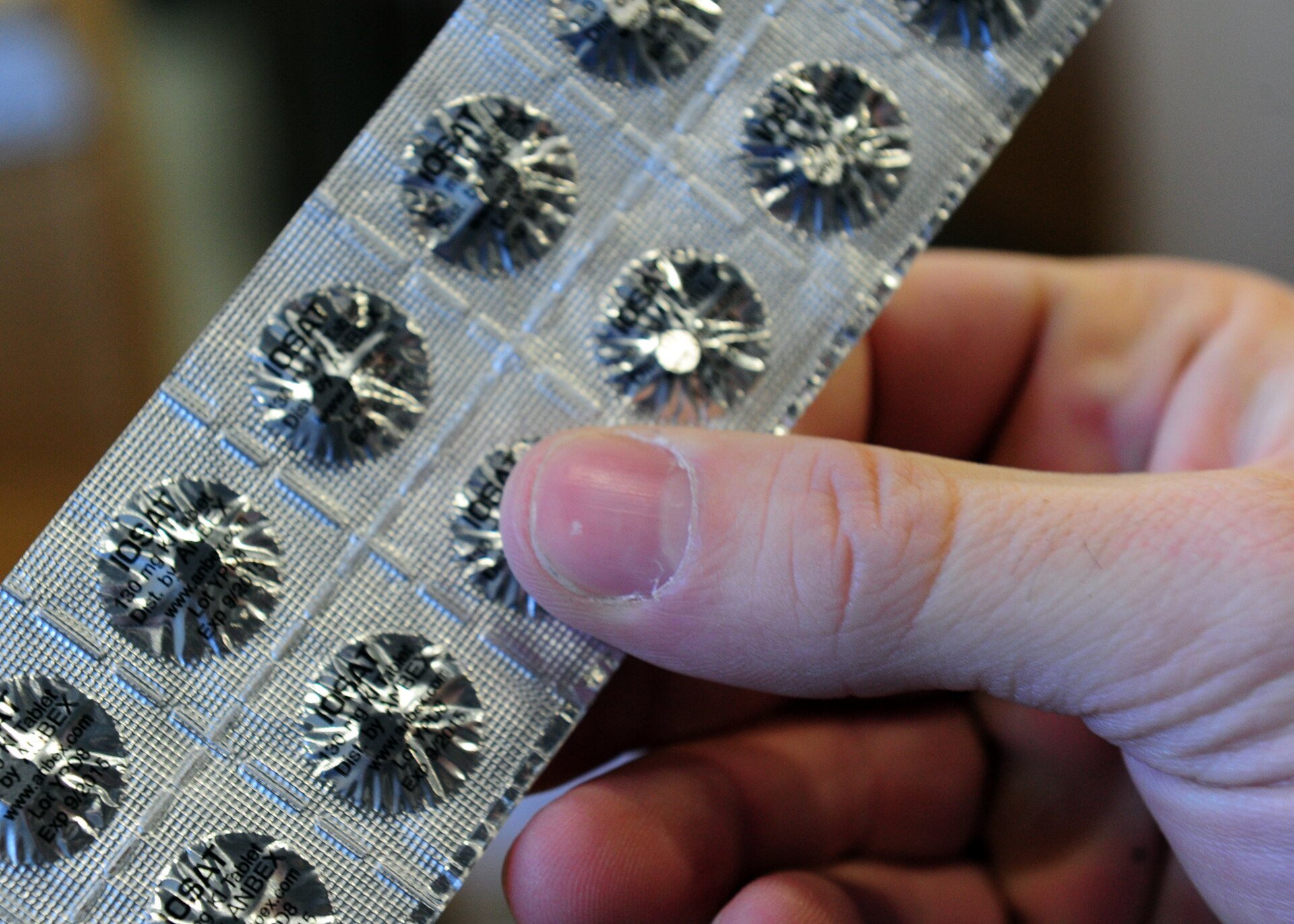
Iran has begun distributing iodine tablets to people living near its nuclear facilities as Tehran prepares for the possibility of renewed American strikes, The Times of London reported on Friday, citing an Iranian Health Ministry official.
"Yes, we are distributing iodine," the official, who was not named, told The Times. "During every war, we have tried to distribute it within a two-to-three-kilometre radius of nuclear facilities. Trump can no longer be trusted. He may go through with this crime."
The tablets — potassium iodide — are handed out as a precaution against radiation exposure. They saturate the thyroid gland so it does not absorb radioactive iodine in a nuclear emergency, but they do not protect against other forms of radiation or against the blast itself. An emergency services spokesman in Isfahan warned residents not to take the tablets without medical advice.
The preparations are unfolding against reports that a possible American strike on Pickaxe Mountain, a heavily fortified underground complex near the Natanz enrichment plant, is under serious consideration in Washington. The facility, known in Persian as Kuh-e Kolang Gaz La, sits about a mile south of Natanz, with halls buried some 80 to 100 metres underground. President Donald Trump said on October 16 that Washington may target the site, and told Fox News this week that American forces could strike it within an hour if ordered, while also expressing confidence that Tehran wanted to reach an agreement.
Iran's state news agency IRNA published instructions on October 29 on what citizens should do in the event of a nuclear blast, including an eight-minute training video. Iraq has also activated nuclear emergency plans and radiation monitoring systems along its border with Iran, according to regional reports.
The report of a new iodine rollout rests so far on a single source — The Times, quoting one Iranian official — and no second major news organisation has independently confirmed a new distribution. No strike has taken place and no radiation has been released. But the distribution, alongside the public survival guidance, is the clearest sign yet that Tehran is treating an attack on its nuclear sites as a live possibility even as Qatar mediates between Washington and Tehran over a possible deal.