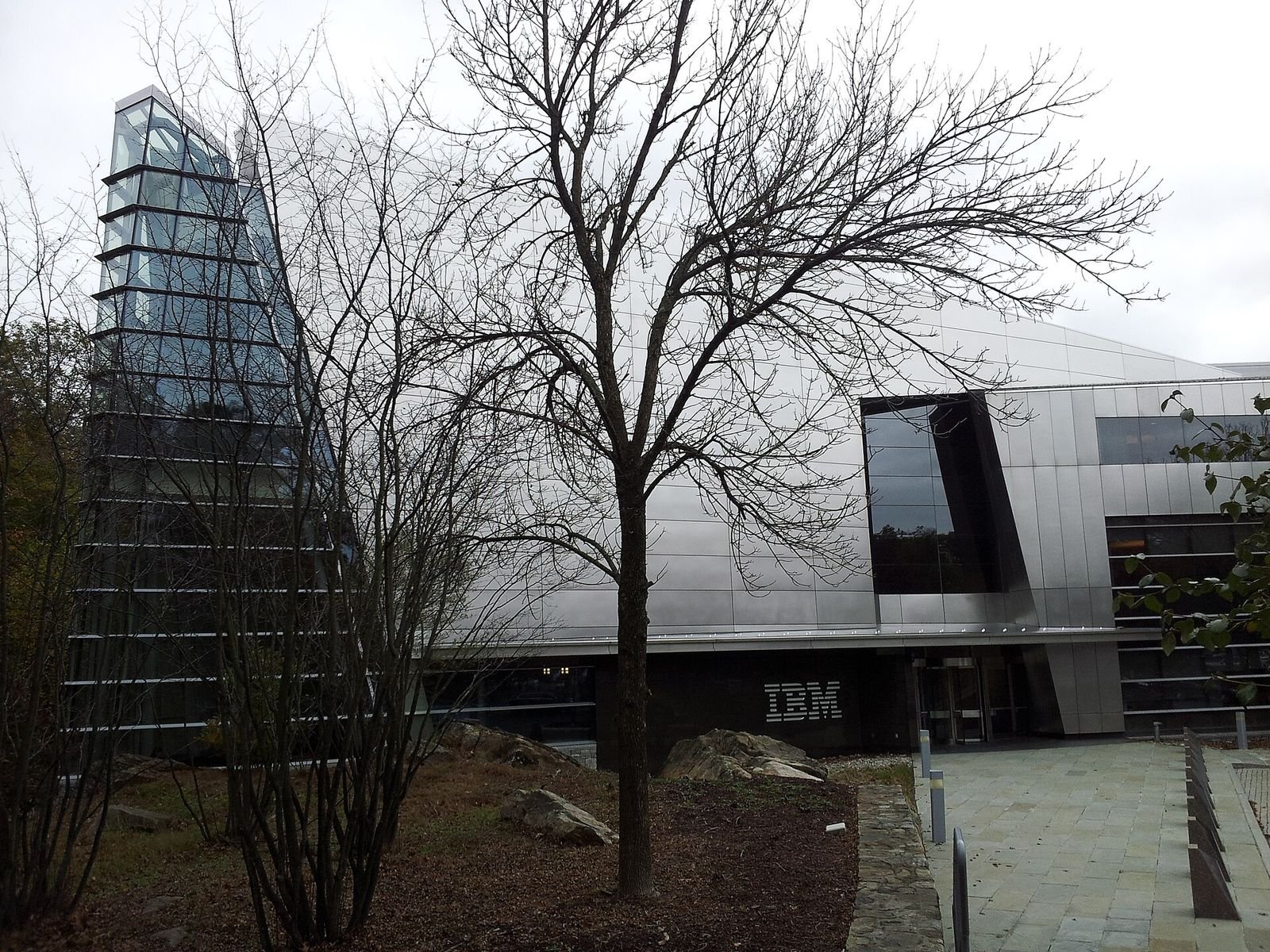
IBM has decided to stop sponsoring H-1B visas and employment-based green cards for most positions in its U.S. consulting business, amid the Trump administration's tightening scrutiny of employer-sponsored immigration programmes.
IBM announced the change on Tuesday, according to an internal document seen by Bloomberg and shared with managers in the division. Affected employees have been offered the option of continuing their jobs from outside the United States or leaving the company by the end of 2026. IBM has not disclosed how many employees will be affected or specified which roles, if any, will continue to qualify for sponsorship.
"IBM Consulting participates in U.S. high-skilled visa programmes to address skill shortages. The company opted to end sponsorship for most such roles as skill availability and client needs have evolved," an IBM spokesperson said, reported Reuters. Federal records indicate that IBM's use of H-1B visas has been declining: the company had just over 1,600 H-1B petitions approved in fiscal year 2026, compared with more than 2,000 in fiscal 2025 and nearly 3,000 in fiscal 2024. IBM had 264,300 employees worldwide, according to its 2025 annual report.
The decision covers H-1B visa applications and the PERM labour certification process, which is the first stage of the most common employment-based green card category in the U.S. It comes as the Trump administration increases scrutiny of the H-1B visa programme and employment-based green card applications. In September 2025, the White House announced a one-time $100,000 fee on new H-1B petitions, a measure that is now tied up in the courts. Last month, the administration suspended Microsoft, Adobe and several major outsourcing companies, including Cognizant, Infosys and Tata Consultancy Services, from the permanent labour certification process.
The decision also comes as IBM's consulting business struggles to keep pace with the rest of the company. According to Bloomberg, growth in the division has remained largely flat since 2024. Consulting revenue stood at $5.3 billion in the third quarter, unchanged from a year earlier and up 2 per cent at constant currency.