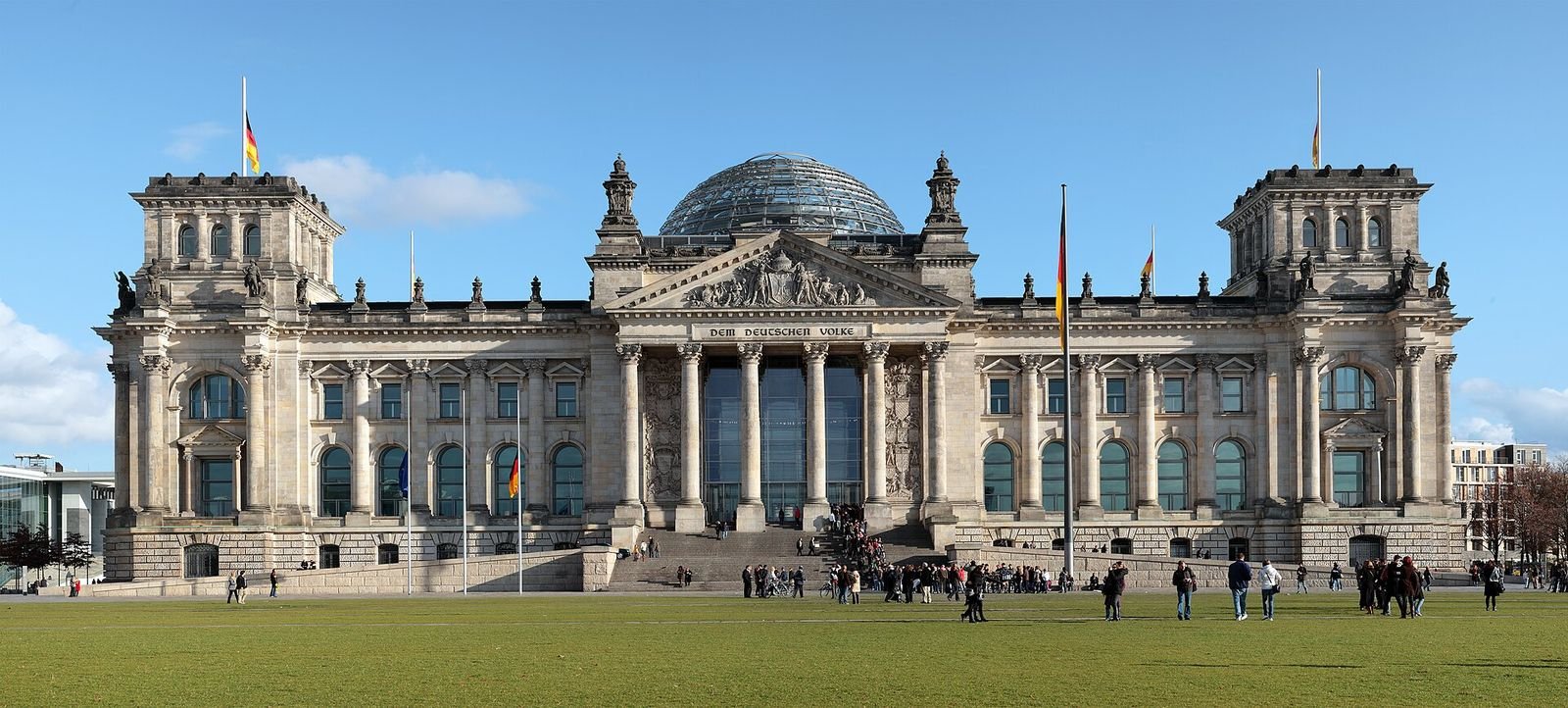
Germany's budget committee finalised the 2027 budget in the early hours of Friday morning, agreeing on more than €210 billion in total new borrowing — the second-highest level since World War Two — after weeks of negotiations inside Chancellor Friedrich Merz's coalition.
Total new borrowing will reach €210.4 billion ($221.6 billion), just under the record €215.4 billion recorded in 2021 during the Covid-19 pandemic, according to a budget document seen by Reuters. The package provides for spending of €561 billion and investment spending of €62 billion.
The borrowing includes €123 billion from the core budget, with the remainder authorised under special measures agreed last year to allow greater spending on infrastructure and defence.
To secure agreement, the coalition dropped or delayed several contentious measures. Late on Wednesday, officials agreed to scrap a proposed tax on plastic packaging materials that had been agreed by cabinet in July, and to delay a tax on sugared drinks until 2028. A planned cut to an electricity tax championed by Merz was also delayed, and officials agreed to roll back plans to cut benefits for the children of low-income families.
The budget is the first full-year spending plan of Merz's coalition government, and the scale of the borrowing underlines how heavily Berlin is leaning on debt to fund its defence build-up and infrastructure renewal while trying to hold together a fractious coalition.
The committee's agreement caps weeks of wrangling over taxes and welfare cuts, but the package still reflects the compromises needed to keep the coalition's parties on board, with the most unpopular revenue measures shelved rather than imposed.