France has rejected a proposed compromise on the European Union's 2028-2034 budget, arguing that the revised spending plan fails to adequately safeguard farmers' incomes, MENAFN reported on Monday.
The Elysee Palace described the draft presented by European Council President Antonio Costa as "very disappointing," adding that it "does not constitute a basis for an agreement."
Paris expressed particular concern over the proposed arrangements for the EU's Common Agricultural Policy, saying the draft did not meet its expectations for protecting agricultural incomes, according to MENAFN.
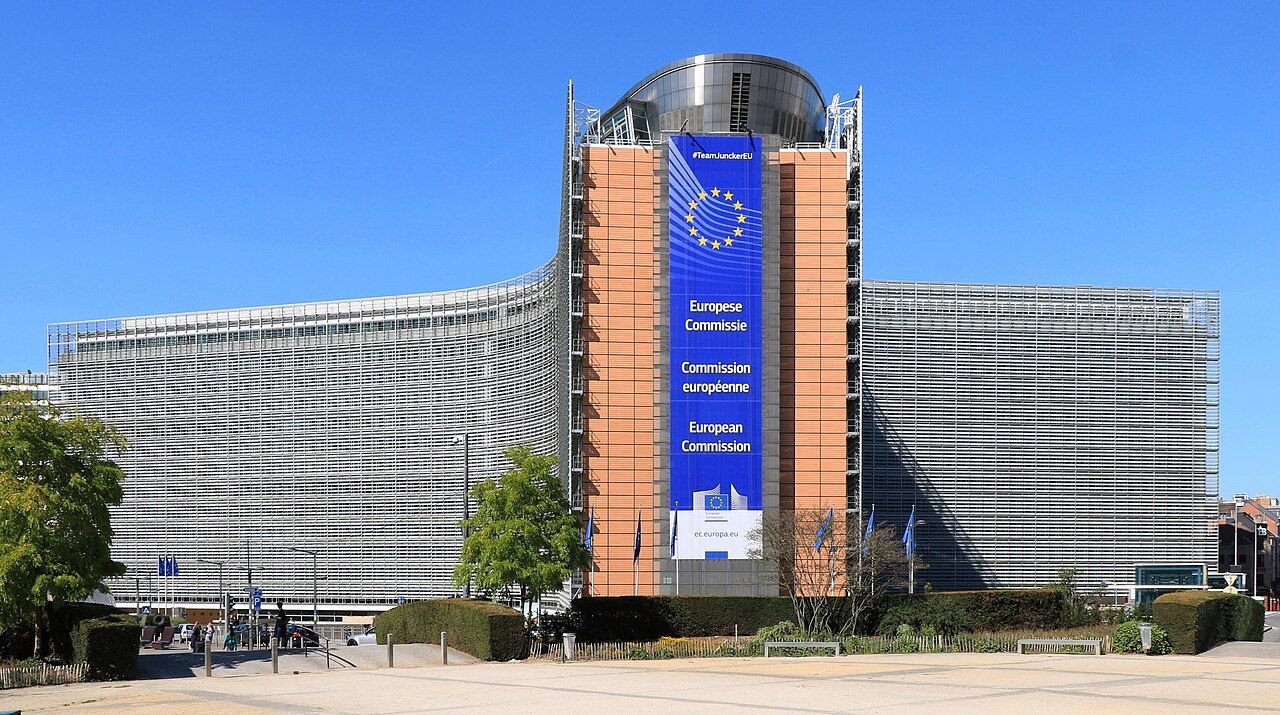
Costa's proposal seeks to cut 204 billion euros ($224 billion) from the European Commission's initial budget proposal, reducing the seven-year financial framework to approximately 1.781 trillion euros from around 2 trillion euros. The revised allocation represents a reduction of roughly 10% compared with the commission's original plan in current prices.
Germany has also opposed the proposed compromise, with Chancellor Friedrich Merz arguing that the planned cuts remain insufficient. Although Merz characterized Costa's draft as a "first step," he maintained that the overall level of EU spending was still excessively high, MENAFN reported.
In October, Ireland, which currently holds the rotating presidency of the Council of the EU, put forward a separate proposal seeking to reduce spending by 140 billion euros. However, those suggested reductions failed to satisfy several member states, particularly Germany and the Netherlands, which have called for deeper cuts.
Under Costa's latest proposal, allocations for migration management and border protection would double. The draft would also raise the average financial contributions made by EU member states from 0.80% to 0.82% of their gross domestic product (GDP).
The twin rejections from Paris and Berlin leave the bloc's long-term budget negotiations deadlocked, with France demanding stronger protections for its farmers and Germany pressing for substantially deeper spending cuts.