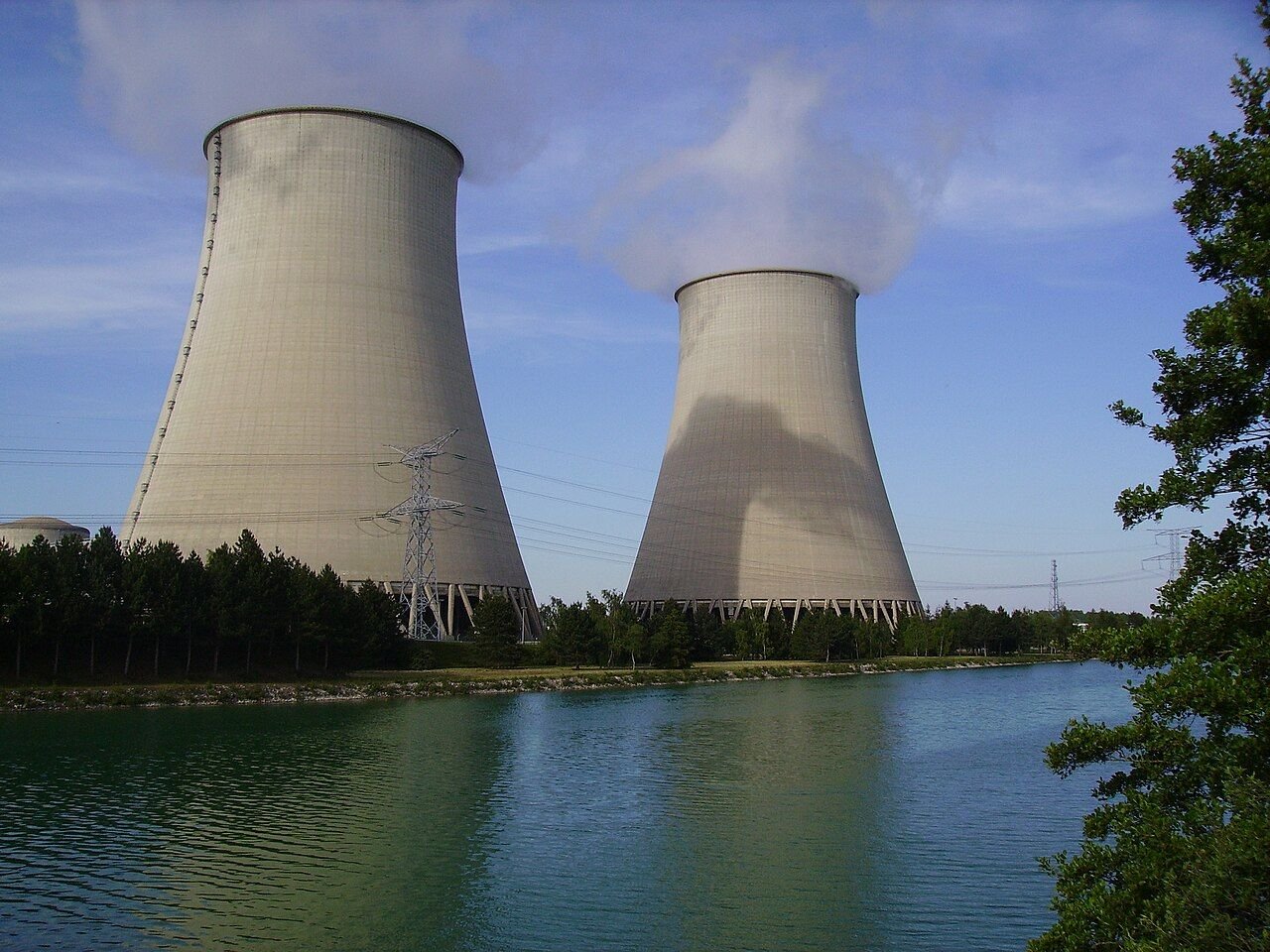
France's EDF plans to start hiring staff, placing orders and awarding contracts next year for six new nuclear reactors, even before securing final EU approval for a state-backed financing package, two sources familiar with the plans said.
The state-owned utility is pressing ahead with Europe's largest nuclear expansion project in decades, seeking to avoid the lengthy delays and ballooning costs that have plagued its past projects in France and Britain.
The programme to replace France's ageing reactors aims to bring a first reactor online by 2038 and is expected to cost more than €70 billion ($76.85 billion) for all six, with the government financing 60% through a zero-interest loan.
Under EU rules for state aid, the loan requires approval by the European Commission. But negotiations between Brussels and Paris are dragging on as the authority seeks assurance that the project will not give EDF greater market dominance.
EDF will in the meantime, however, take a provisional investment decision, the two people briefed on the plans said. That will allow it to begin ordering parts, hiring staff, awarding contracts and preparing construction sites to ensure the project sticks to its timeline.
"EDF wants to start fabricating the parts. People are already in place and ready to do that. We don't want to wait for that for one or two years," one of the people said.
French newspaper Les Echos reported earlier this week that EDF is discussing contracts worth €14 billion with builders Bouygues, Eiffage and Vinci. EDF declined to comment on the contracts. It did not immediately respond to questions about the investment decision.
The nuclear expansion plan was developed at the outset of Russia's war in Ukraine, which caused a European energy crunch and coincided with an unexpected maintenance period that took half of France's reactors offline for checks and repairs. It is intended to replace output from reactors approaching the end of their operating lives and help prevent a sharp decline in French nuclear generation from the middle of the century.
EDF's board is expected to review the investment decision in mid-December, finalise the terms during the third week of the month and take the provisional decision before year-end, the people said. The European Commission's decision on the loan may not be made until well into next year, but EDF is optimistic an agreement will be reached with Brussels, the first source said. The Commission did not immediately respond to a request for comment.
EDF is under pressure to launch the project before next year's presidential election, which could slow government decision-making and reshape French energy policy. Marine Le Pen's far-right party, currently the frontrunner in polls, supports nuclear energy. However, Jean-Luc Melenchon, seen in polls reaching a second round but a long shot to win, is anti-nuclear.
To secure EU approval for the financing package, EDF has proposed auctioning 3,000 megawatts of output through long-term contracts to rival suppliers, ensuring competitors also benefit from the state-backed loan, the sources said. The volume, equivalent to about 7% of EDF's annual output, would give competitors access to some of the electricity generated by the new plants rather than allowing EDF to reserve all of the output for its own customers or bilateral contracts.