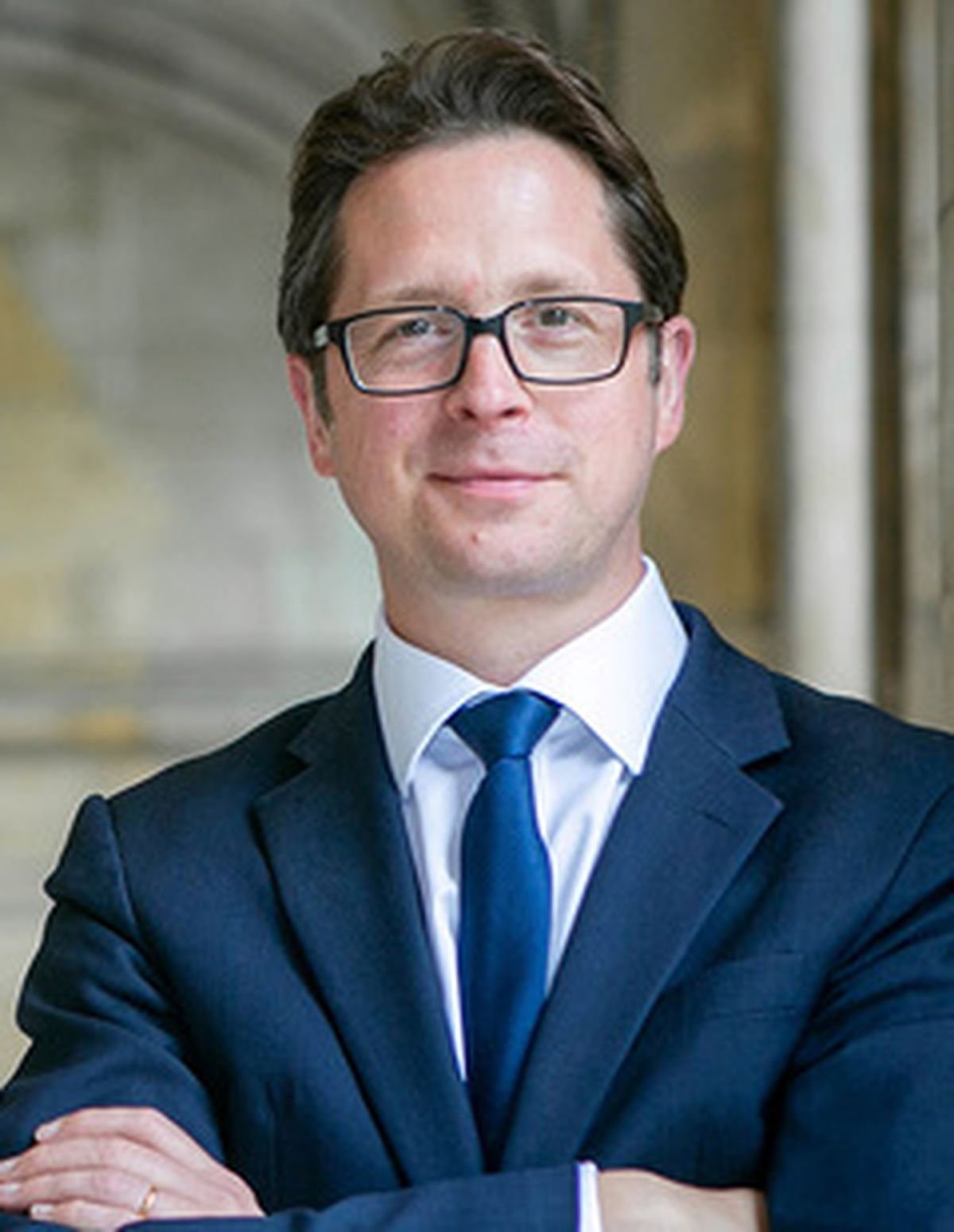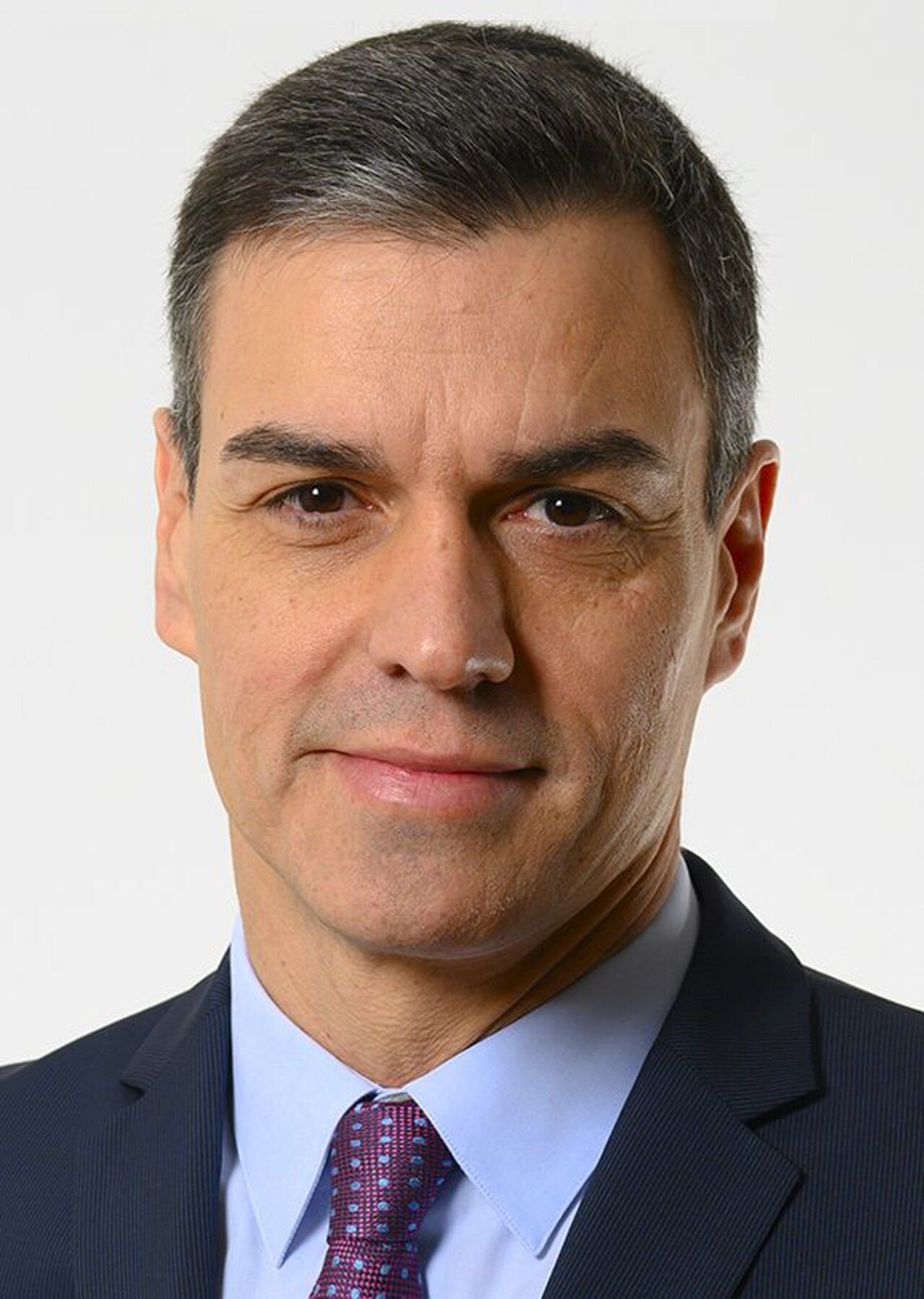
Conservative leader Alberto Nunez Feijoo was judged the winner of Spain's only head-to-head televised debate with Prime Minister Pedro Sanchez, polling showed on Friday, as Sanchez admitted mistakes on corruption and housing 10 days before the country's November 29 snap election, Reuters and Le Monde reported.
Feijoo, the People's Party (PP) leader and frontrunner to oust Sanchez, beat the Socialist premier by 51% to 29% in a Sigma Dos poll and by 43% to 33% in a 40dB poll asking who won Thursday night's face-off, Reuters reported. The remaining respondents said neither man won or that it was a tie. About 10.2 million people watched the debate, according to consultancy Barlovento, nearly doubling the viewership of the 2023 edition, Reuters reported. The two-way format has been a tradition in Spanish politics since 1993, though analyst Pablo Simon told Reuters that the internet and a more polarized electorate have curbed its effect on voter behavior, with the main value lying in shaping the campaign's tone and avoiding negative headlines the next day.
The 90-minute encounter on Thursday, November 19, was the campaign's only head-to-head debate between the two main contenders, Le Monde reported. Sanchez, who has been in power since 2018, was unusually subdued and conciliatory, appearing to address demotivated left-wing voters above all else, while Feijoo was far more aggressive and determined not to be outflanked by the far-right Vox party, according to Le Monde. The right has turned the campaign into a referendum on Sanchez, and Simon, a political science professor at Carlos III University in Madrid, said communication channels between the Socialist Workers' Party (PSOE) and the PP are completely broken, with none of the contact that existed under previous governments, Le Monde reported.
Housing and the economy dominated the exchanges, Reuters and Le Monde reported. Feijoo accused Sanchez of having crushed the middle class, arguing that having a job no longer guarantees making ends meet or affording a home, and rattled off soaring prices, high taxes and a housing crisis as government failures. When Sanchez cited strong economic results, including growth expected to reach 2.5% this year under International Monetary Fund forecasts, Feijoo retorted that people cannot eat GDP, Le Monde reported. Both men defended rival plans to tackle soaring rents and a shortage of affordable homes, Reuters reported. The housing crisis led Sanchez to call snap elections on October 5 after lawmakers rejected a package meant to protect renters and contain real estate prices, and housing has become the Spanish public's top concern, according to Le Monde. The leaders also sparred over migration after large-scale arrivals in the North African enclave of Ceuta and the Canary Islands, Reuters reported. Le Monde reported that Spain has welcomed nearly 3 million immigrants since 2018, with Sanchez defending immigration as a driver of growth while Feijoo said immigration had risen from the tenth most pressing concern to the second.
Corruption and two rail disasters put Sanchez on the defensive, Le Monde reported. He had to address scandals implicating figures in his inner circle and PSOE leadership, including former close associates, and said his government had made mistakes and that he had trusted people he should not have, asking for forgiveness while insisting his government is honest, had ousted those individuals and had cooperated with the judiciary. Sanchez also faced questions over the Adamuz rail disaster in Andalusia on January 18 and the Urda disaster in Toledo on October 28, which together left 115 people dead, and said he would apologize to victims' families because the pain stays with him, according to Le Monde. Reuters reported that Sanchez and Feijoo traded accusations over scandals linked to their respective parties. Sanchez was more comfortable on international affairs, defending his positions against Donald Trump and Benjamin Netanyahu and calling Spain a beacon during a dark period for the international far right, Le Monde reported.
Polls have barely shifted since the campaign began, Le Monde reported. The Socialists are polling between 26% and 29% of voting intentions, compared with 30% to 31% for the PP and 17% to 19% for Vox, making a right and far-right coalition the most likely scenario unless the race changes dramatically. Reuters reported that an overwhelming majority of polls show an advantage for a right-wing bloc formed by the PP and Vox, with the PP predicted to win the most seats on November 29 but without a majority. Sanchez's best hope rests on rallying undecided left-wing voters: El Pais estimated on Thursday that 4.3% of 2023 Socialist voters and 11.3% of voters for the left-wing Sumar coalition, now running as the Broad Front alliance, still did not know how they would vote, Le Monde reported. Simon cautioned that a debate's electoral impact is very limited and that how each side interprets it matters more, according to Le Monde. Further campaign debates are scheduled before election day, including a spokespeople's debate on Monday, November 23, and a four-way debate on Thursday, November 26, Spanish outlet Democrata reported.