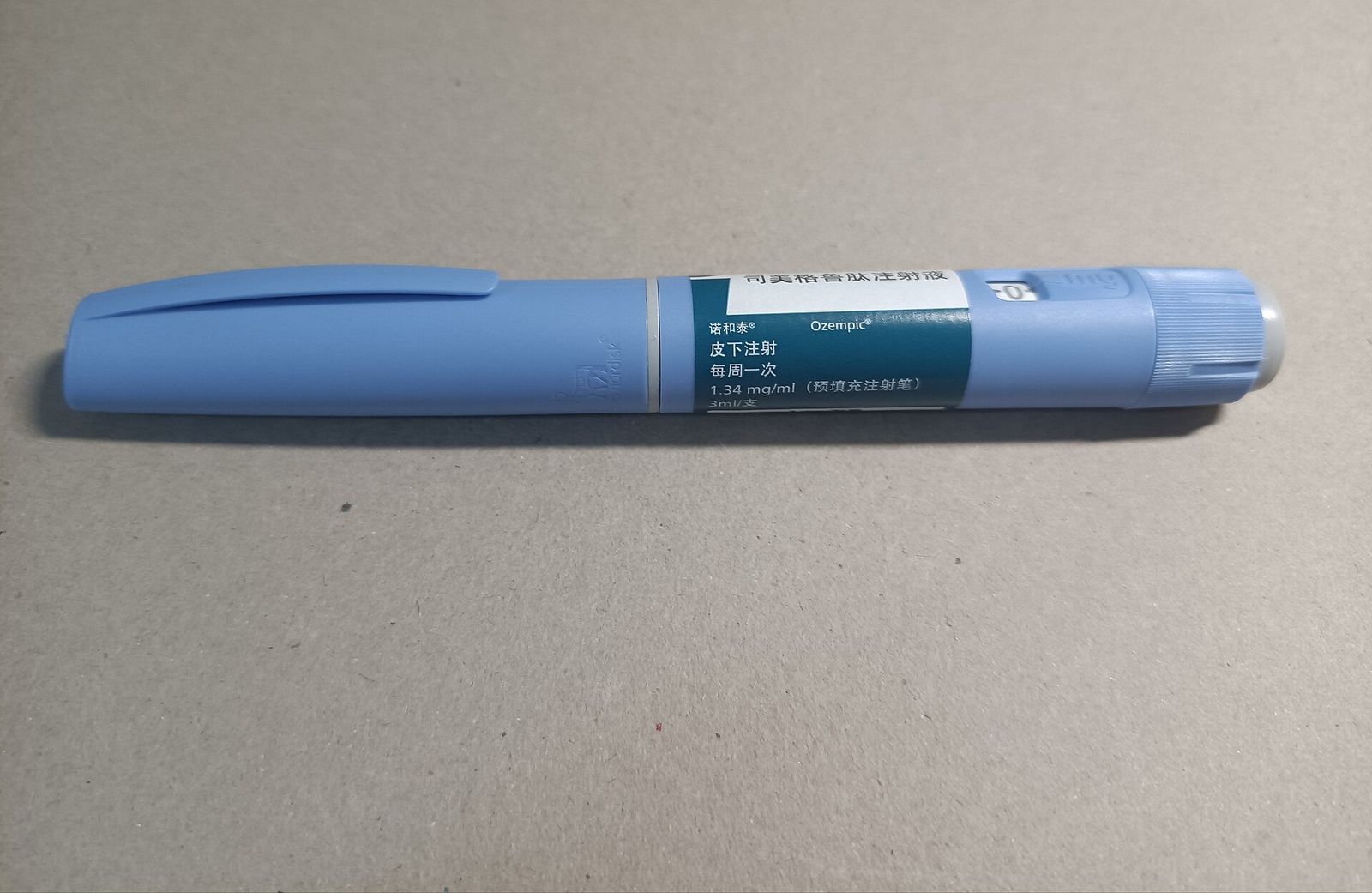
The U.S. Food and Drug Administration on Monday ordered the makers of every GLP-1 medication — including Ozempic, Wegovy, Mounjaro and Zepbound — to add a warning about a rare eye condition that can cause permanent vision loss.
In a drug safety communication, the FDA said it is informing patients and health care providers of a potential increased risk of non-arteritic anterior ischemic optic neuropathy, or NAION, linked to the drug class. The new information will go in the Warnings and Precautions section of each drug's label.
NAION occurs when blood flow to the front of the optic nerve drops. The FDA describes it as "a rare condition that can result in acute, painless, decreased vision in one eye, including permanent vision loss," and says its underlying cause "is not completely understood."
The warning covers all approved GLP-1 receptor agonists: Ozempic, Wegovy and Rybelsus (semaglutide); Mounjaro and Zepbound (tirzepatide); Victoza and Saxenda (liraglutide); Trulicity (dulaglutide); the combination products Xultophy and Soliqua; and Foundayo (orforglipron), approved in 2026. The FDA said NAION cases have been reported for every GLP-1 product currently on the market.
The review began after a July 2024 study in JAMA Ophthalmology examined the risk of NAION in patients prescribed semaglutide. The FDA pooled 126 randomized controlled trials with 134,253 patients and found 15 probable NAION cases — 10 among patients taking GLP-1 drugs and five among patients on a placebo — a rate of 6.4 per 100,000 patients treated with a GLP-1 compared with 3.8 per 100,000 in comparison groups.
A large 2025 study of nearly 175,000 diabetic patients treated with semaglutide found the risk of NAION more than doubled after two years of treatment, compared with patients on non-GLP-1 medications. Last year, the European Medicines Agency's safety committee said NAION may affect up to 1 in 10,000 people taking semaglutide for at least one year.
The FDA has not advised patients to stop taking the drugs, and has not established that GLP-1s cause NAION. Novo Nordisk said it continues to believe the data do not establish a cause-and-effect relationship, while Eli Lilly said it is carefully evaluating the update and will respond promptly. Patients who notice sudden, painless vision changes should contact a health care professional immediately, the agency said.