Thousands of European troops are taking part in an unprecedented military exercise in south-eastern Poland to prepare for a potential post-war mission in Ukraine, aimed at helping stabilise the country and rebuild its military once the war ends.
The two-week exercise, known as Koalicja, began on November 9 at the Nowa Deba training ground and is for the first time testing the Coalition of the Willing's ability to deploy in Ukraine once the war is over. Led by France and Britain, the multinational force is a non-NATO initiative of the wider 37-nation political group supporting Ukraine, and the drill is intended both to test deployment plans and to signal to Russia and the Trump administration that European countries are stepping up militarily.
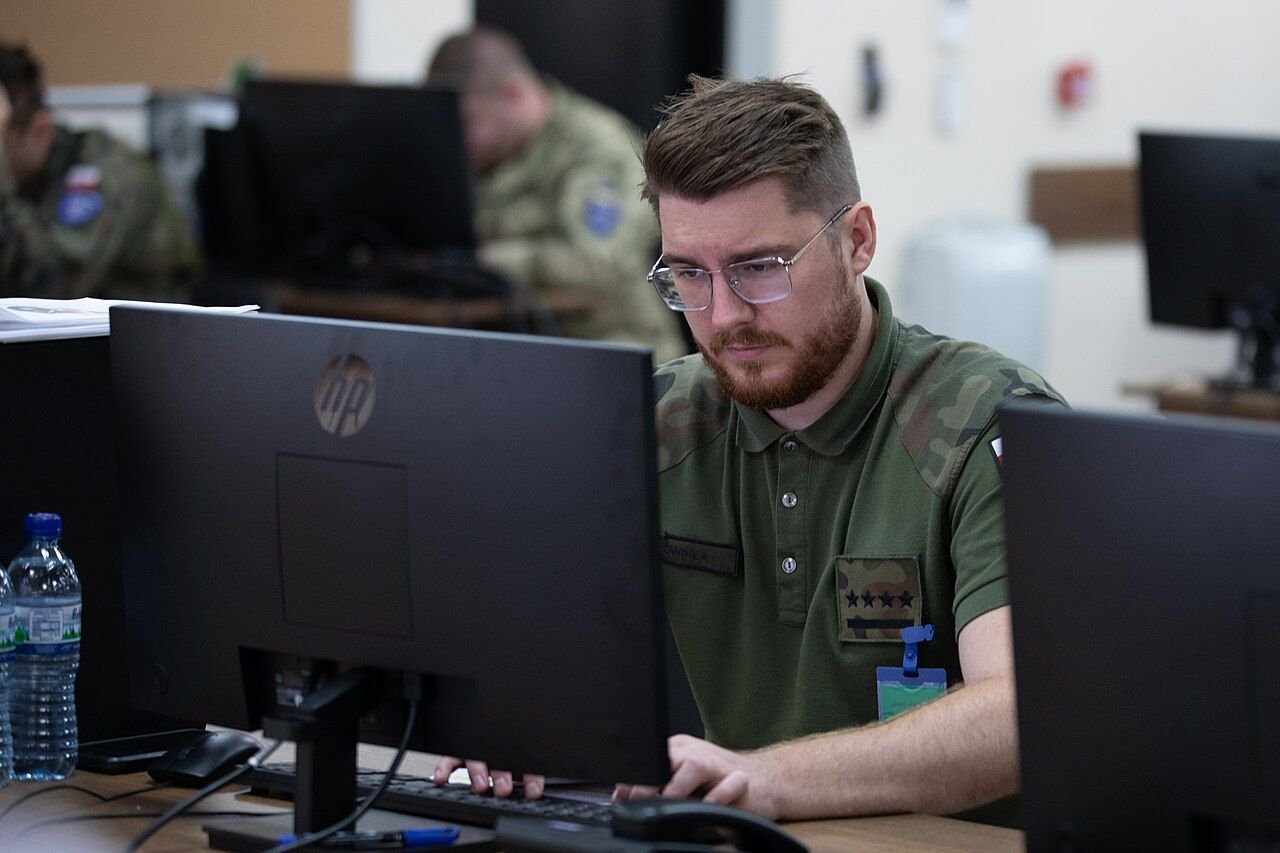
Around 2,800 personnel from Belgium, Estonia, France, Germany, Lithuania, the Netherlands, Spain, Sweden and the United Kingdom are taking part, with Poland providing logistical support and Turkey participating remotely from Istanbul. French President Emmanuel Macron said on November 19 that 1,100 French troops were deployed, with land, air and maritime operations under way. Coalition troops arrived in Poland by sea, air and land before travelling by rail and road to the training site, where they have rehearsed moving personnel and equipment, joint command-and-control, fighter jet and aerial refuelling operations, surveillance drone flights, responses to drone attacks and trench warfare.
The exercise follows 12 months of planning by the Multinational Force-Ukraine, or MNF-U. UK Brigadier Campbell Close, deputy commander for operations of the French Army's 1st Division, which leads the land component, described it as a deployment exercise by a defensive force. If deployed after a ceasefire, the force would help regenerate Ukraine's armed forces, provide reassurance to reopen the country's skies and help clear mines in the Black Sea, according to Lieutenant-General Tom Bateman, the MNF-U commander. It would not have peacekeeping or peace-monitoring functions.
The drill continued even as tensions flared nearby. Polish Prime Minister Donald Tusk said a Russian missile crashed early on November 20 near Poland's border with Ukraine, about 75 kilometres from the exercises, describing it as likely an intentional provocation timed to the drills. Polish Defence Minister Wladyslaw Kosiniak-Kamysz told a news conference at the exercise site on November 20 that the incident was coordinated with the coalition's show of force and unity, adding: 'Our presence here shows that we cannot be frightened.'
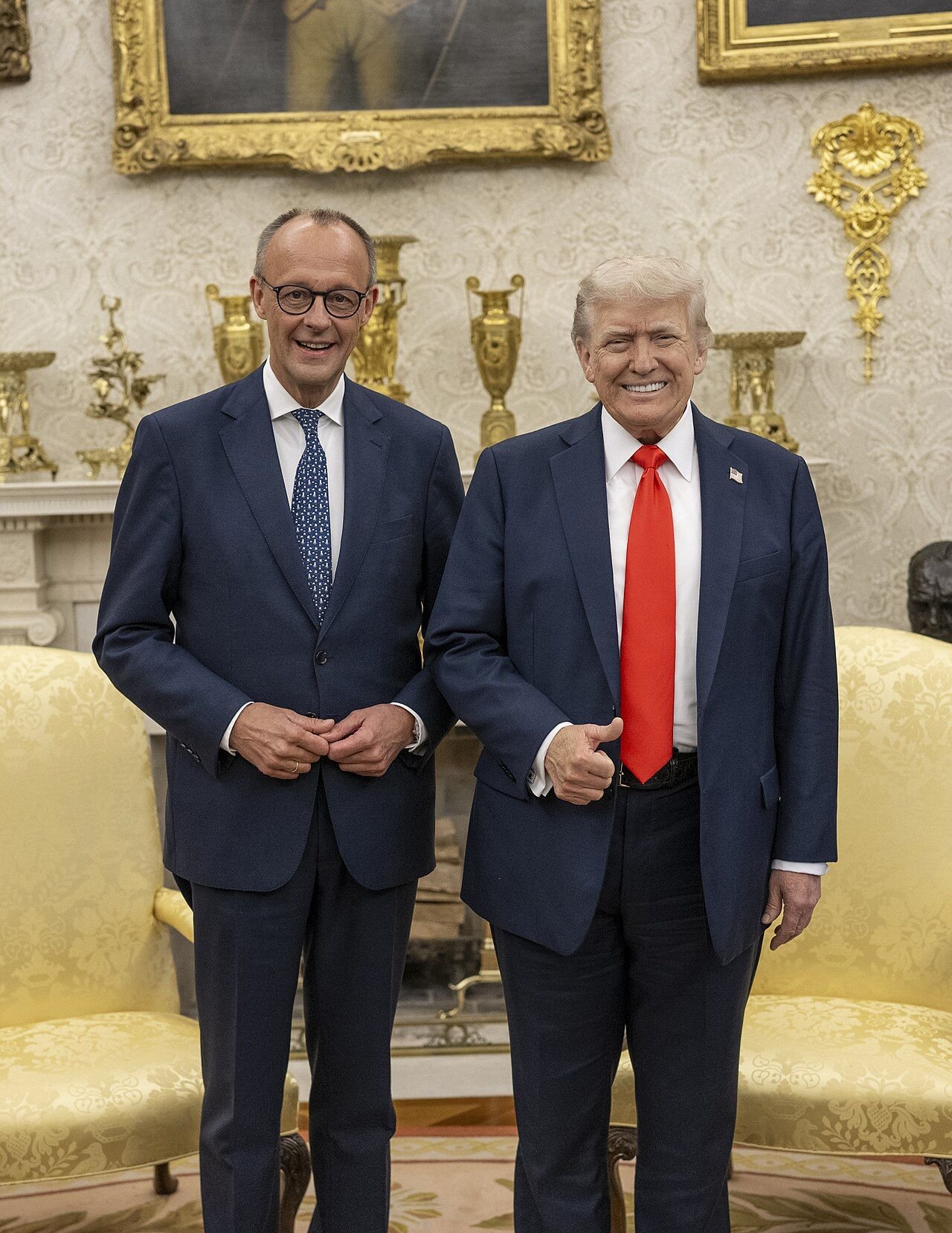
European leaders underlined their support for Kyiv at a Berlin meeting on November 19 attended by Ukrainian President Volodymyr Zelensky and nearly 40 other delegations. After that meeting, German Chancellor Friedrich Merz said the drill in Poland shows the Coalition of the Willing is ready to contribute, alongside the United States, to securing a peace. U.S. envoy Jared Kushner said on November 19 that he believes Russia is comfortable with NATO-like security guarantees for post-war Ukraine, though it remains unclear what form any guarantees would take or whether Russia and Ukraine would ultimately accept them.