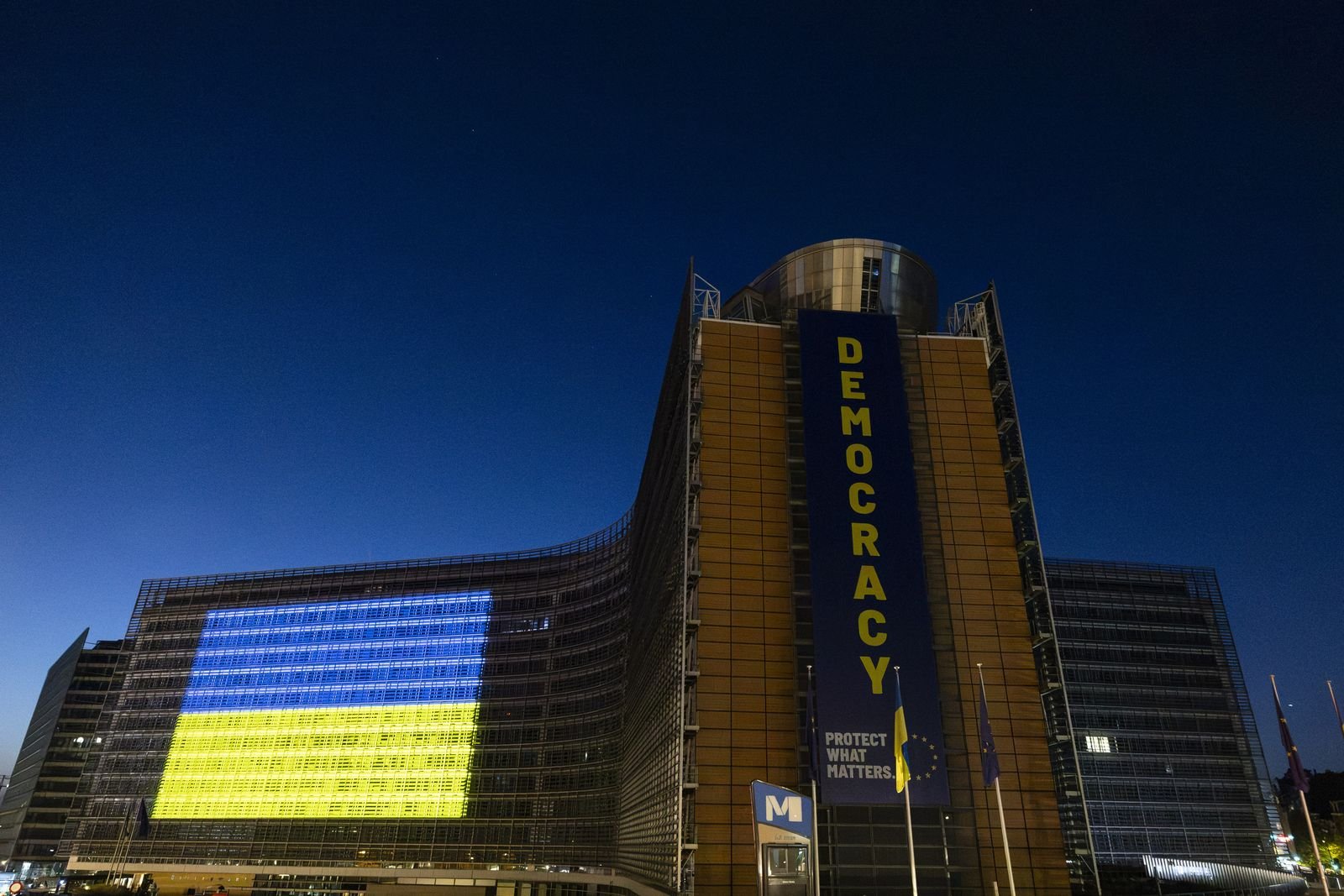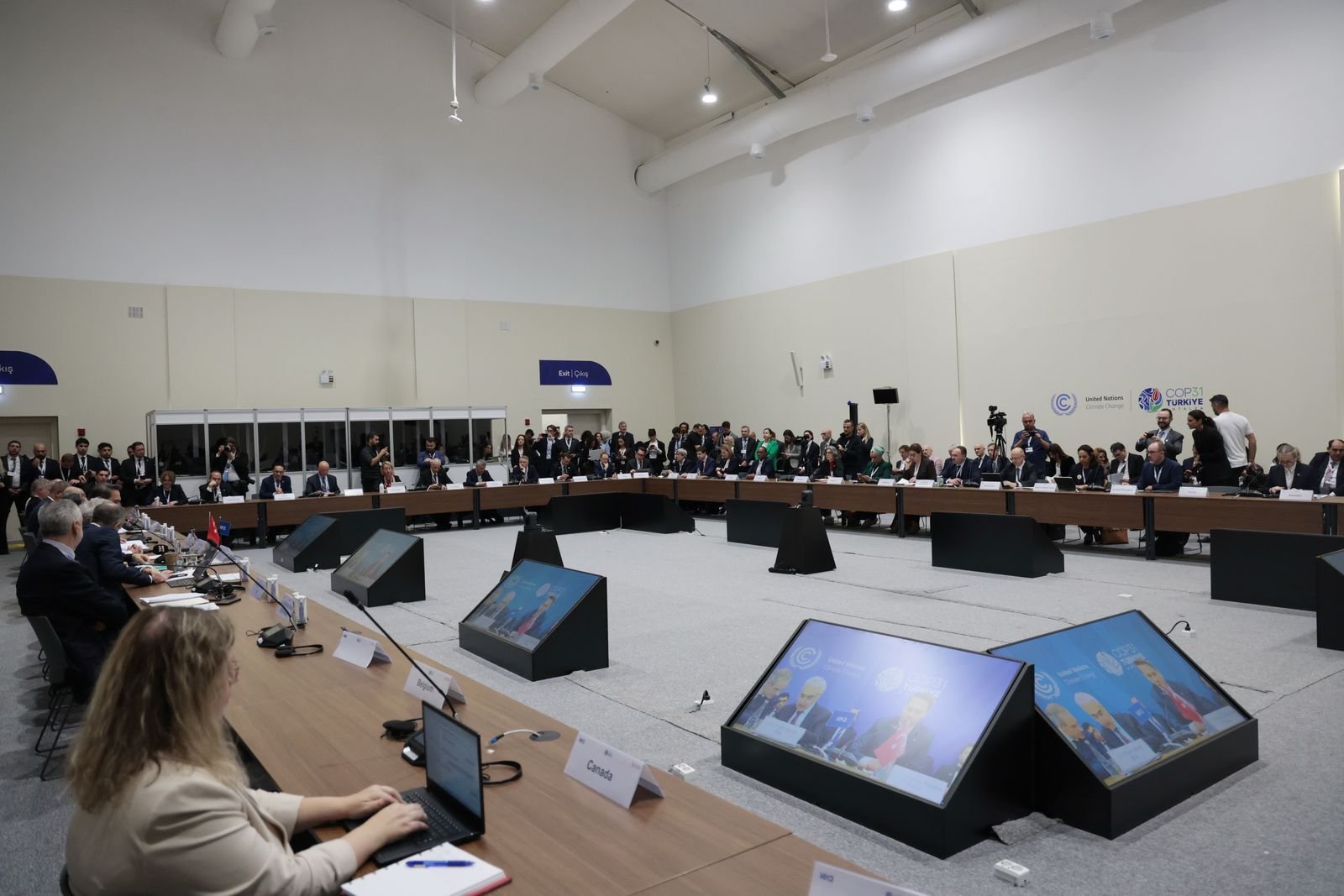
Several European Union foreign ministers cautioned on Monday against discussing Europe's future security architecture with Moscow before a ceasefire is reached in Ukraine, urging Europe not to fall into what they described as a Russian trap. Any such discussions must await a ceasefire in Russia's war in Ukraine and depend on Moscow making meaningful concessions, ministers said at their monthly meeting in Brussels.
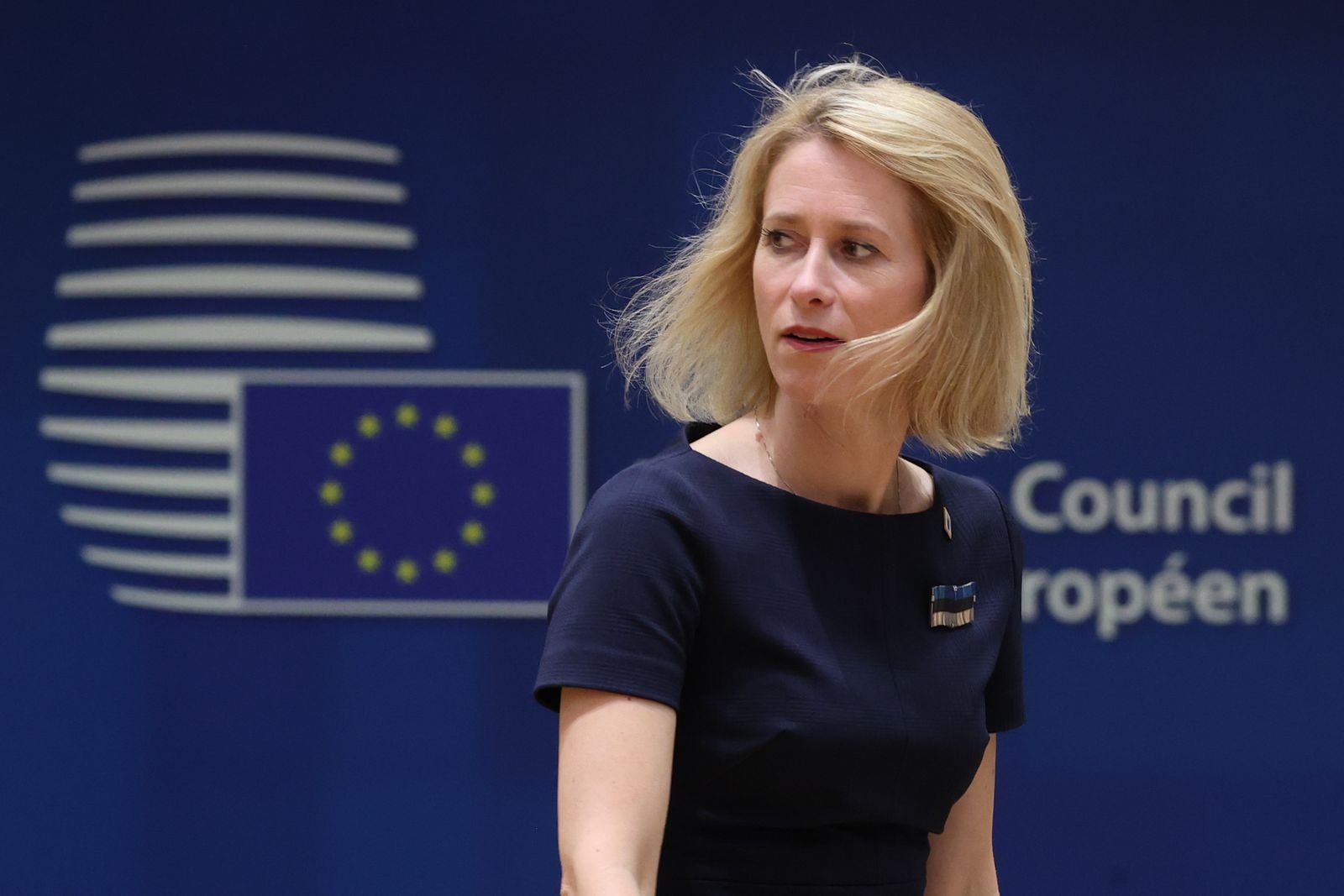
“What we need to see is a ceasefire to actually start the talks about anything else. We don't see that at the moment because it is (Russia) really escalating,” EU foreign policy chief Kaja Kallas said, accusing Moscow of wanting to use the process as a pretext to continue the war. She said Russia was attacking infrastructure, railways and bridges, and putting forward maximum demands as a pretext to keep fighting.
Lithuania's Foreign Minister Kęstutis Budrys told reporters that entering talks on security with Russia now “provides a lot of chances for Russia to get something out of it. So we shouldn't fall into this trap.” Russian officials have called for a broad agreement on Europe's security architecture to be reached before the specifics of the war in Ukraine are addressed. Moscow said on Friday it would be open to European countries taking part in peace talks if it saw they genuinely intended to contribute to peace; EU leaders agreed that Europe's negotiating team would comprise Britain, France, Germany, Italy and Poland, along with EU institutions.
On sanctions, the Council said it had imposed additional restrictive measures on 12 individuals and 101 entities — 113 new listings in total — including nearly 50 Russian banks and financial institutions, with the legal acts published in the Official Journal on Monday. French Foreign Minister Jean-Noël Barrot had earlier put the figure at 145 new designations, but the Council's published decision lists 113. Barrot also said Paris would host a conference on December 4 with Britain on Russia's shadow fleet, and that sanctions would be imposed on Tatyana Kim, chief executive of Russian online retailer Wildberries, and the St Petersburg oil terminal. Irish Foreign Minister Helen McEntee, whose country holds the EU presidency, said a wider package of sanctions was being finalised and would be discussed later this week.
Ukrainian Foreign Minister Andrii Sybiha joined the ministers for the discussion, which also covered strengthening Ukraine ahead of winter and countering Russian hybrid attacks against the EU. The meeting came days after EU forces boarded a suspected Russian shadow-fleet tanker, the MV Midag, in the Mediterranean on Friday. EU countries also accused Russia of trying to drag out talks on ending the war while bombing power plants and other infrastructure as winter closes in, with ministers agreeing the priority should be to secure a ceasefire and then a real peace agreement.