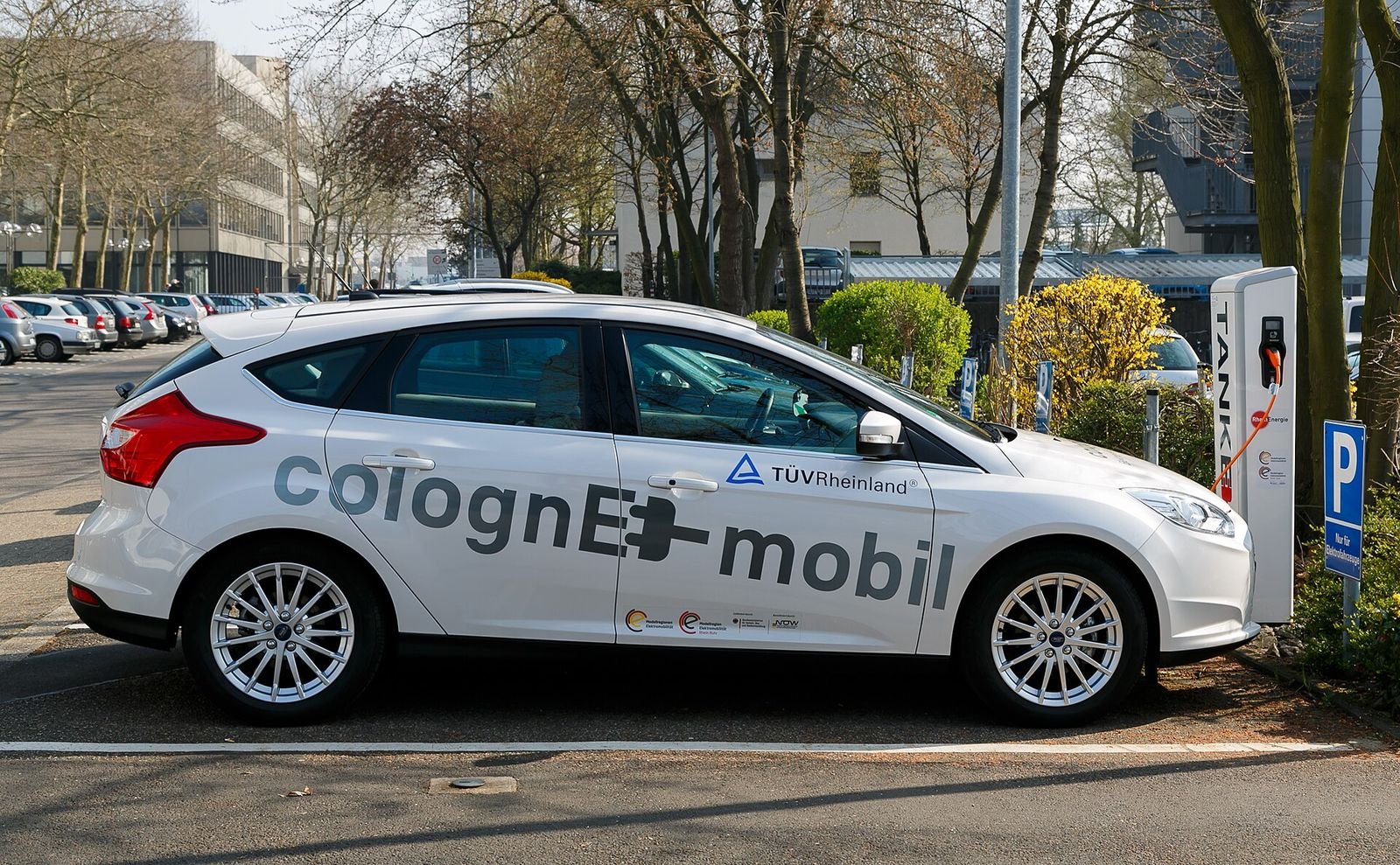
European Union countries are leaning toward including British electric vehicles in the bloc's "Made in Europe" scheme, designed to shield local manufacturers from cheap Chinese imports, EU diplomats said.
The scheme will require companies to include a certain percentage of European content as a condition of accessing EU subsidies or selling to EU governments and agencies. Prime Minister Andy Burnham's government has been pushing for British-built cars to be included.
Ireland, which holds the rotating presidency of the EU, put forward its latest proposal to other EU members on Monday, seeking to reflect their views. It advocated that for car assembly, "Made in Europe" should cover the whole of Europe, including European Economic Area members Iceland, Liechtenstein and Norway, plus Switzerland and Britain, diplomats said.
For components, other countries such as Japan or South Korea might be included, according to the diplomats. The concessions would be granted to non-EU countries on a reciprocal basis, although precisely what that means is still to be settled.
The question of how far to open the scheme to Britain has been a sticking point. France and Germany proposed last month that such countries would need to align with EU trade protection measures, including tariffs on Chinese electric vehicles — something Britain has been reluctant to do.
The debate follows the EU-UK summit on November 20, where Burnham and EU leaders sealed agreements to ease trade, link emissions trading systems and create a youth mobility scheme. The "Made in Europe" question was left open, with the UK seeking access to the bloc's rules for cars.
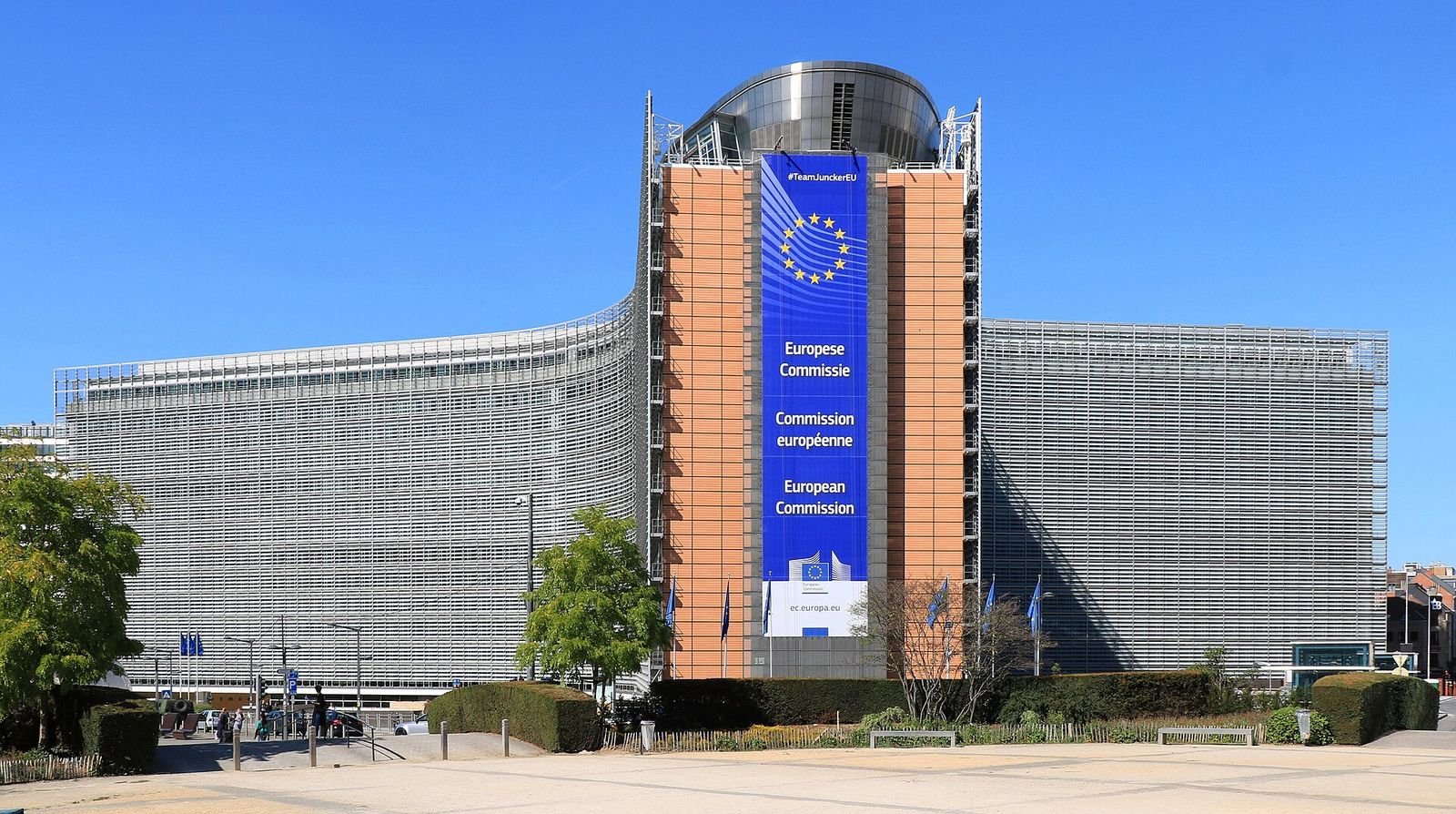
EU members aim to agree on a common position a few days after discussions by EU industry ministers at a meeting in Brussels on December 3. From there, representatives of EU governments will negotiate a joint text with European Parliament lawmakers, who plan to establish their position in mid-December. The negotiations are unlikely to start before January.