European Union leaders abandoned their special budget summit in Brussels early on Friday after about 14 hours of talks on the bloc's 2028-2034 budget produced no progress, cancelling a second day of talks and deferring the dispute to the next European Council on December 17.
Leaders left shortly after midnight local time, ending a summit that had been billed as the last realistic chance to strike a deal on the seven-year budget and a 45 billion euro loan for Ukraine before a year of elections across the bloc.
European Council President Antonio Costa had tabled a compromise of roughly 1.78 trillion euros over seven years, about 10 percent below the European Commission's proposal of almost 2 trillion euros. German Chancellor Friedrich Merz put the reduction at 204 billion euros and said it would not stop there. Most of the cuts fall on competitiveness and foreign-policy spending, while agriculture and cohesion funding are barely touched.
The meeting broke down over format. After Costa split leaders into small groups, seven fiscally conservative states - Austria, Belgium, Germany, Denmark, Finland, the Netherlands and Sweden - boycotted the sessions and demanded a return to plenary. Austrian Chancellor Christian Stocker called the format ineffective and walked out. A plenary session opened around midnight and ended without movement.
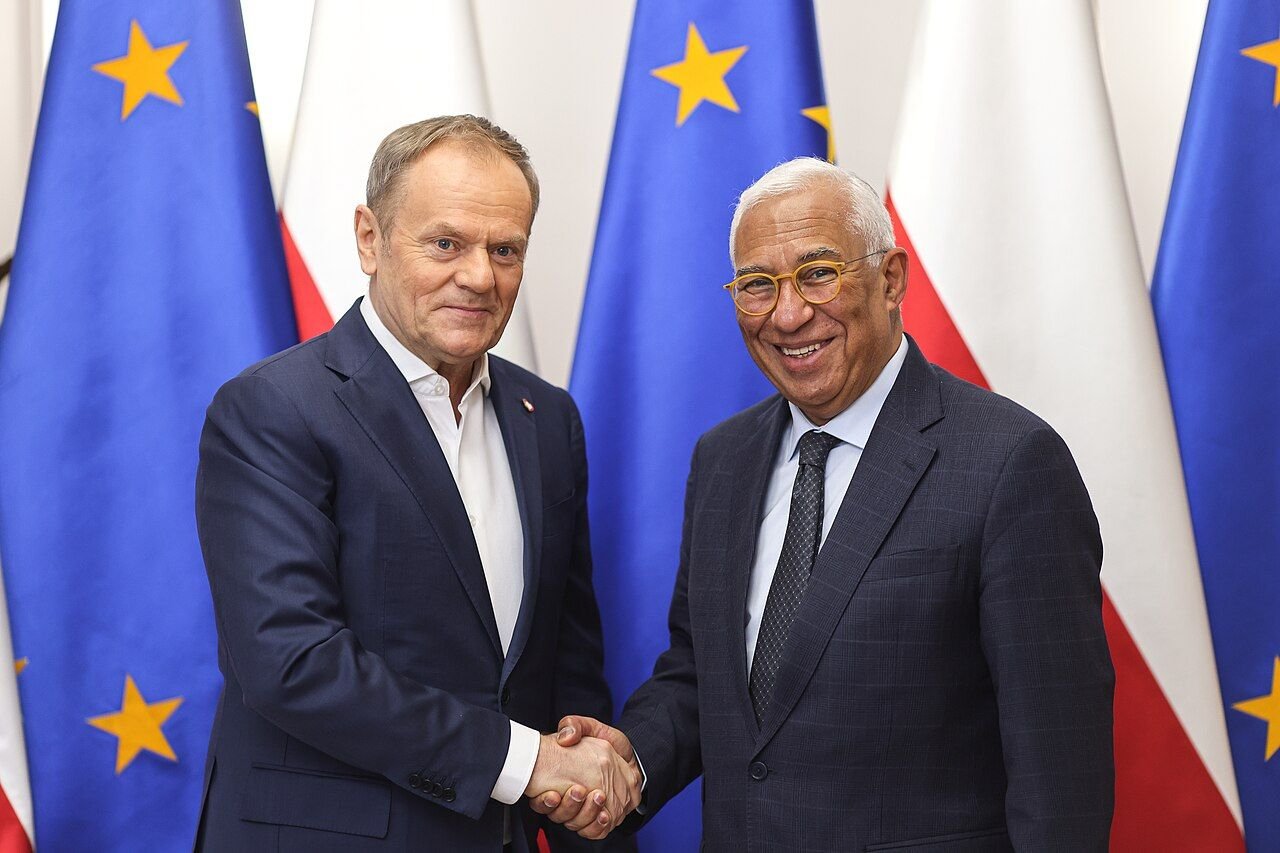
The seven want a smaller budget, the retention of their rebates and cohesion money redirected toward defence, innovation and green energy. Against them stands a group of 17 cohesion-fund recipients led by Poland, where Prime Minister Donald Tusk said his government is not backing down. Poland says defence and space funding was cut by 30 percent.
French President Emmanuel Macron called the roughly 200 billion euros in cuts a strategic mistake and said Paris would not conclude a deal without its 66.25 billion euros in farm aid. He said he would not sign an unbalanced agreement and that talks cannot be reopened or concluded after December 31. Failing a December deal, he said, negotiations would resume in the second half of 2027 under much more pressure, with France's presidential election due in April and May.
Italian Prime Minister Giorgia Meloni said the sides are light years away from a solution, and Dutch Prime Minister Rob Jetten has said a good deal matters more than a deadline.
A 45 billion euro Ukraine loan backed by joint debt is bundled with the budget. Slovakia, Hungary and the Czech Republic did not support it, and Merz opposes new joint borrowing, saying interest costs of more than 150 billion euros will weigh on the next budget. Costa said leaders will revert to the loan in December.
The budget draft includes up to 100 billion euros for Ukraine over seven years, which diplomats say falls well short of the country's needs. In 2027, non-EU countries such as Britain, Norway, Japan, Switzerland and Canada are expected to provide another 25 billion euros.
Approval is still not assured even after governments agree. The budget needs a majority of the European Parliament's 720 members, at least 361 votes, and Parliament President Roberta Metsola has said it is not a rubber stamp.